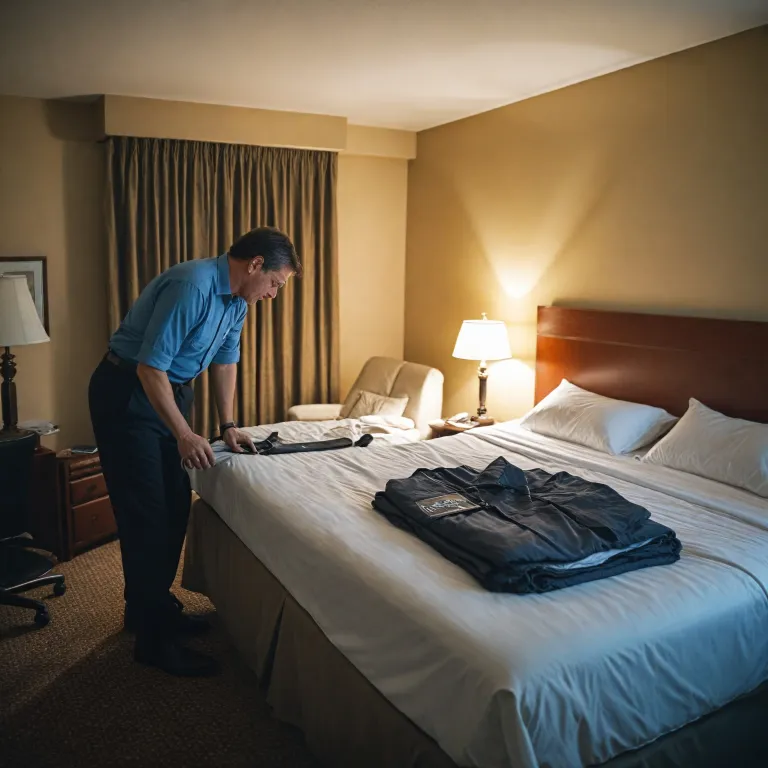
Understanding bed bugs and their impact on hotel stays
Bed bugs are tiny, elusive insects that can disrupt even the most carefully planned hotel stay. These pests, measuring about 5 millimeters, are adept at hiding in crevices and can quickly turn a comfortable hotel room into a source of discomfort. In the united states and across the globe, hotels face ongoing challenges in preventing bug infestation, making vigilance essential for every traveler. Bed bugs feed on human blood and often leave behind bites on the skin, which can cause irritation and anxiety for guests. Recognizing the importance of early detection, travelers should always inspect their hotel room for signs bed bugs may be present before settling in.
Hotels invest in training housekeeping staff to identify and report signs of bed bug infestation, but guests play a crucial role as inspectors. Upon entering your hotel room, keep your luggage on a luggage rack or in the bathroom, as these areas are less likely to harbor bugs. Avoid placing personal items on upholstered furniture until you have completed a thorough check for bed bugs. The main content of your inspection should focus on areas where bugs hide, such as mattress seams, box springs, and headboards. Using a flashlight and a credit card, probe the seams and crevices of the mattress box and bed frame to look for live bed bugs, eggs, or dark spots.
Infestation bed bugs can spread rapidly if not detected early, leading to significant discomfort and potential health issues. The presence of blood spots, fecal stains, or a musty odor are strong indicators of a bug infestation in your hotel room. If you find any signs bed bugs, immediately contact hotel management to address the issue and prevent the spread of bugs hotel-wide. Remember, early detection and prompt action are key to ensuring a safe and enjoyable travel experience.
Step-by-step inspection: how to check for bed bugs in a hotel room
Begin your inspection by examining the bed, as it is the most common place where bed bugs hide. Pull back the bed sheets and carefully inspect the seams and folds of the mattress box, looking for live bed bugs, eggs, or small dark spots that indicate their presence. Use a flashlight to illuminate hard-to-see areas and a credit card to probe along seams and crevices. Pay special attention to the box spring and the area where the mattress meets the headboard, as these are prime hiding spots for bugs bed and their eggs.
After checking the bed, move on to other furniture in the hotel room, such as chairs, sofas, and nightstands. Bugs can hide in the seams and joints of upholstered furniture, so inspect these areas thoroughly. Look for signs bed bugs, including shed skins, blood spots, and fecal stains, which are often found near the places where bed bugs feed. If you notice any unusual spots or a musty odor, it may indicate a bug infestation.
Do not forget to inspect the luggage rack before placing your bags on it. Bed bugs can sometimes hide in the straps or joints of the rack. If you find any evidence of bugs hotel, report it to the front desk immediately. For more detailed advice on protecting your belongings, see our comprehensive hotel room safety checklist. By following these steps, you will minimize the risk of bringing bed bugs home and ensure a more pleasant stay.
Recognizing the signs of bed bug infestation in hotels
Knowing what to look for is crucial when inspecting for bed bugs in hotels. The most obvious sign is the presence of live bed bugs, which are small, reddish-brown insects about the size of an apple seed. However, bugs hide well, so you may need to rely on secondary indicators. Look for small blood spots on bed sheets, dark fecal spots on mattresses or furniture, and translucent shed skins left behind by molting bed bugs.
Eggs are another sign of infestation bed bugs. These are tiny, white, and often found in clusters in hidden areas such as mattress seams, box springs, and cracks in furniture. A musty, sweet odor can also signal a significant bug infestation. If you detect any of these signs, it is essential to act quickly to prevent the spread of bugs hotel-wide.
When you find evidence of bed bugs, avoid contact with infested areas and immediately inform hotel management. Place your luggage in a plastic bag or on a luggage rack away from the bed and furniture. For additional guidance on identifying and responding to bed bug infestations, visit our hotel pest prevention resource. Vigilance and prompt reporting help protect not only your stay but also future guests from the discomfort of bed bug bites and infestation.
Protecting your luggage and belongings from bed bugs
Travelers often overlook the importance of safeguarding their luggage from bed bugs. Upon entering your hotel room, keep your luggage on a luggage rack or in the bathroom, as these locations are less likely to harbor bugs. Avoid placing your bags or clothes on the bed, upholstered furniture, or carpeted floors before you have completed your inspection. Bed bugs can easily crawl into luggage and hitch a ride home, leading to a potential infestation bed in your own residence.
After inspecting the hotel room and confirming it is free of bugs, you can unpack your belongings. If you find any signs of bed bugs, keep your clothes in sealed plastic bags and avoid contact with infested areas. When you return home, wash all clothes hot and dry them on high heat to kill any potential bugs or eggs that may have traveled with you. This simple precaution can prevent a minor encounter from turning into a major bug infestation.
Hotels are increasingly implementing proactive monitoring programs to detect and address bed bug issues before they affect guests. As a traveler, your diligence in inspecting your room and protecting your luggage is a vital part of this effort. By taking these steps, you will reduce the risk of bites skin and ensure a more comfortable journey.
What to do if you find bed bugs in your hotel room
If you find evidence of bed bugs in your hotel room, it is important to act swiftly and responsibly. Do not panic; instead, gather evidence by taking photos of the bugs, eggs, or spots you have found. Avoid contact with infested areas and keep your luggage sealed in plastic bags or on a luggage rack away from the bed and furniture. Immediately contact hotel management to report the issue and request a room change or further assistance.
Hotel staff are trained to handle bug infestations and will typically coordinate with pest control professionals to address the problem. As a guest, you have the right to a clean and safe environment, so do not hesitate to advocate for your comfort and safety. If you experience bites skin or other reactions, seek medical advice and document your symptoms for reference.
Remember the expert advice: "Signs include live bed bugs, small blood stains on sheets, dark fecal spots, shed skins, and a musty odor." This guidance, along with your own vigilance, will help ensure a prompt and effective response to any bug infestation. By working together with hotel staff, you can help prevent the spread of bed bugs to other rooms and protect future guests from similar issues.
Best practices for ongoing vigilance during your hotel stay
Maintaining vigilance throughout your stay is essential to preventing a bug infestation. Inspect your hotel room daily, especially after housekeeping services, to ensure no new signs of bed bugs have appeared. Keep your luggage elevated on a luggage rack and avoid placing clothes or personal items on the bed or upholstered furniture. If you notice any new spots, bites skin, or unusual odors, conduct a thorough check for bed bugs and report any findings to hotel management.
Before departing, inspect your luggage and belongings to ensure you are not bringing any bugs home. Wash all clothes hot and dry them on high heat as a precaution. By following these best practices, you will minimize the risk of infestation bed and enjoy a more comfortable travel experience. Hotels appreciate guests who are proactive in reporting potential issues, as it helps maintain high standards of cleanliness and safety for all.
For more information on how to check for bed bugs in a hotel room and protect yourself during travel, consult our expert resources and stay informed about the latest trends in hotel hygiene. Your diligence not only safeguards your own well-being but also contributes to the overall reputation and quality of hotels worldwide.
Key statistics on bed bugs in hotels
- Average size of adult bed bugs: 5 millimeters
- Typical distance bed bugs live from sleeping areas: 8 feet
Frequently asked questions about bed bugs in hotel rooms
What are the signs of bed bugs in a hotel room?
Signs include live bed bugs, small blood stains on sheets, dark fecal spots, shed skins, and a musty odor.
Where do bed bugs commonly hide in hotel rooms?
Common hiding spots include mattress seams, headboards, bed frames, upholstered furniture, and behind picture frames.
How can I prevent bringing bed bugs home from a hotel?
Inspect your room upon arrival, keep luggage off the floor, and wash all clothing in hot water after your stay.