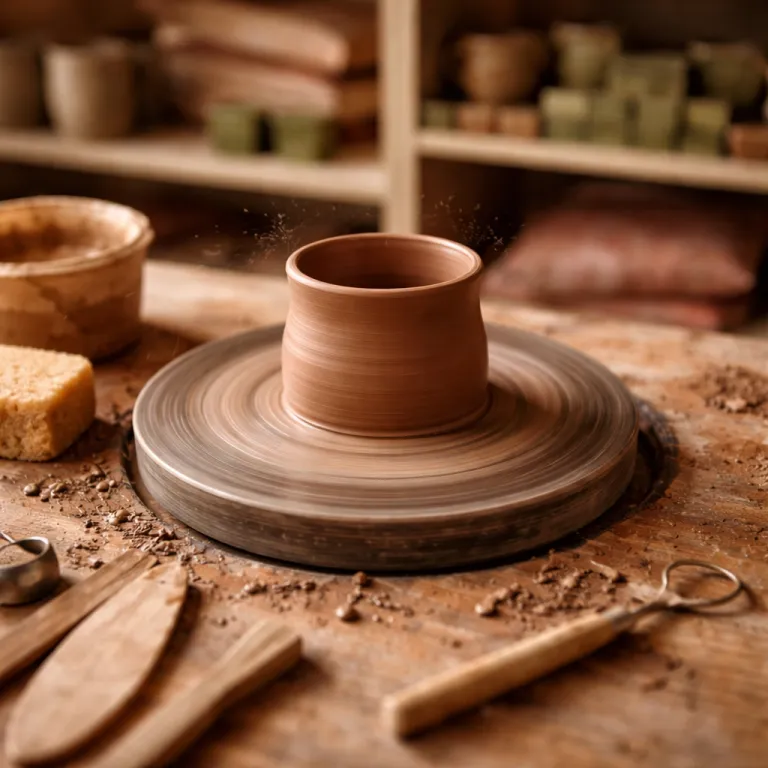
Why a true luxury hotel artisan experience matters for families
A genuine luxury hotel artisan experience reshapes how children remember a destination. When a family stay is built around an artisan-led workshop, the property becomes a place to learn and create rather than simply a place to sleep. That shift turns a short encounter into a narrative thread that runs through your family’s travel memories for years.
Across high-end properties worldwide, standout hotel features now include curated collaborations with local artisans who host small-scale events in dedicated studios. These are not staged shows; they are working spaces where a ceramicist, weaver, or metalworker invites each guest to explore the craft at their own pace. Luxury hotels and local makers act as partners, using traditional tools and locally sourced materials to create an experience that feels both rooted in heritage and quietly modern.
For a Premium Family traveller, the value lies in depth rather than volume of activities. You want your children to handle clay, pigments, or textiles, and then return to their suite still talking about the artisan they met. When the stay is thoughtfully programmed, the allure of artisan culture sits naturally alongside refined elegance in the lounge, reliable high-speed connectivity, and meticulously designed rooms and suites that keep everyone comfortable.
Five questions that reveal whether an artisan workshop is real or theatre
Before you book, ask the concierge how long the artisan workshop lasts, because a thirty-minute slot rarely delivers a meaningful experience. A serious luxury hotel artisan experience usually offers at least ninety minutes, with time to learn the basics, make something, and pause for questions. Shorter events often feel like quick games for photos rather than genuine craft. Clarify whether the event is capped at a small number of guest participants, since a crowded room dilutes both the teaching and the sense of intimacy.
Your second question should be who leads the event, and how the hotel compensates that person. You are looking for a named local artisan or a recognised collective, not a general activities host, and you want the concierge to explain clearly what the artisan earns from each stay. Third, ask whether you keep what you make, because taking home a fired bowl, indigo-dyed scarf, or carved toy gives children a tangible reminder that outlasts any souvenir bought in a lobby shop.
The fourth question concerns scale; does the hotel cap bookings per day or per week to protect the artisan’s time and avoid burnout? A capped schedule signals respect for the craft and avoids turning the experience into a production-line event that runs every hour. Finally, ask how the workshop fits within the hotel privacy policy and community commitments, since a property that talks openly about data, revenue share, and local partnerships usually treats both guests and artisans with the same refined elegance.
Three hotels that treat artisan access as a core part of the stay
Some hotels now treat artisan collaborations as seriously as spa programming, and it shows in every part of the stay. At Aman Kyoto in Japan, for example, the resort features indigo dyeing sessions and kintsugi-inspired activities led by Kyoto craftspeople, where each guest can immerse themselves in the slow rhythm of traditional techniques. Typical workshops run for around two hours, giving families time to learn, create, and ask questions. The rooms echo this refined elegance with natural materials, a calm lounge, and meticulously designed lighting that feels both historic and contemporary.
In Spain’s Basque Country, the culinary project around Pasaia by chef Eneko Atxa has inspired nearby luxury hotels to build artisan-focused dining and craft itineraries. Families can pair a guided market visit with a ceramics or knife-making workshop in regional studios, then return to suites that balance the finer things with practical amenities such as a well-stocked mini fridge and high-speed connectivity for planning the next day. Here, live entertainment might mean a small-scale music event in the lounge, programmed alongside artisan talks and chef demonstrations rather than generic games.
On the Belmond Hiram Bingham and related luxury train routes in Peru, curated artisan stops turn a transfer into a moving gallery of weaving and metalwork. The best partner hotels along this journey offer suites that are meticulously designed guest spaces, where textiles from the same Andean communities appear in cushions, wall hangings, and throws. This alignment between what the guest sees in the workshop and what the hotel offers in its interiors creates a quiet allure of artisan culture that feels honest rather than staged.
What families should look for in artisan focused hotel features
Families need more than a generic cultural event squeezed between the pool and dinner. Look for a luxury hotel artisan experience that offers age-appropriate depth, with parallel sessions or adapted tools so younger children can safely learn alongside teenagers and adults. When the hotel designs the stay around layered options, each guest can choose how deeply to immerse themselves without pressure.
Pay attention to how the hotel describes its amenities and events in writing and on property. Vague promises of cultural immersion without named partners, clear schedules, or mention of artisan earnings are red flags, especially when the language leans heavily on spectacle. By contrast, a property that explains its collaborations, shares how many guests each event can host, and integrates artisan work into dining, lounge spaces, and guest rooms is usually serious about both culture and luxury.
Economic transparency matters because a meaningful booking should pay a craftsperson fairly for their time and materials. When you ask about pricing, listen for whether the concierge can explain how the fee supports the artisan community as well as the hotel. One ceramicist who runs hotel workshops described it simply: “The hotel handles bookings and materials, and I receive a fixed fee per guest plus a share of each finished piece sold.” That clarity, combined with thoughtfully designed suites, robust high-speed infrastructure, and quiet corners for reflection, signals a property that understands the finer things extend beyond thread count.
How to evaluate design, technology and policy around artisan experiences
The physical design of a hotel can tell you a lot about how seriously it takes artisan partnerships. Look for meticulously designed workshop spaces that feel as considered as the spa, with good light, proper tools, and rooms close enough that families can move easily between sessions and rest. When the same refined elegance appears in suite layouts, lounge furniture, and even the placement of a mini fridge, you sense a coherent vision rather than a marketing add-on.
Technology should support, not overshadow, the artisan-led experience. State-of-the-art booking systems and high-speed connectivity make it easy to reserve events in advance, yet the workshop itself should feel tactile and grounded, with phones put aside while you learn. If you are curious how precise operations elevate comfort, industry discussions of precise time tracking in hotels quietly improving your entire stay show how back-of-house systems can free staff to focus on guests and artisans.
Finally, read the hotel privacy policy with the same care you give to room descriptions. A serious luxury property will explain how it handles guest data from workshop bookings, how it communicates with artisan partners, and how it measures the impact of these programs over the long term. When that policy sits alongside clear information about live entertainment, cultural events, and the allure of artisan collaborations, you are usually looking at a hotel where luxury, experience, and ethics align.
Key statistics shaping artisan experiences in luxury hotels
- According to the UNWTO, international tourism receipts reached around USD 1.4 trillion in 2019, with cultural and heritage travel representing a significant and growing share of that spending. This underscores how central authentic experiences have become to travel planning and to the way guests choose where to stay.
- Travel trend analyses from major consultancies such as McKinsey and Deloitte consistently show that itineraries in luxury travel are being re-engineered for fewer, deeper encounters, which directly supports longer artisan workshops over quick demonstrations and encourages hotels to invest in serious programming.
- Industry reports highlight that indigenous and community-led experiences are among the strongest signals for future luxury travel demand, encouraging hotels to invest in measurable community impact, transparent revenue-sharing models, and long-term artisan partnerships rather than one-off events.
Essential questions about artisan experiences in luxury hotels
What are artisan experiences in luxury hotels ?
Artisan experiences in luxury hotels are structured activities where guests engage directly with local craftspeople to learn and create traditional or contemporary handmade items. These sessions usually take place in dedicated spaces within the hotel or nearby studios, using authentic tools and materials. The goal is to connect guests with local culture in a way that feels personal, hands-on, and aligned with the overall elegance of the stay.
Why are luxury hotels offering more artisan workshops now ?
Luxury hotels are expanding artisan workshops because travellers increasingly seek meaningful cultural engagement rather than passive sightseeing. By collaborating with local artisans, properties can offer unique events that differentiate the hotel, support community economies, and deepen guest satisfaction. This shift also reflects a broader move in high-end travel toward intentional journeys that leave a positive impact on both the environment and local communities.
How can I find hotels with serious artisan programs ?
The most reliable approach is to research hotels that explicitly describe their artisan partners, workshop formats, and booking policies on their official channels. When you contact a property, ask detailed questions about who leads each event, how long it lasts, group sizes, and whether you keep what you make. Clear, specific answers usually indicate a well-designed program, while vague language about cultural immersion without details can signal a more superficial offering.
Are artisan experiences suitable for children and multi generation trips ?
Many artisan workshops are ideal for families, provided the hotel has adapted tools, timings, and content for different ages. Look for properties that offer parallel sessions or flexible formats so younger children can participate safely while older guests explore more complex techniques. When done well, these experiences give every generation a shared project and a lasting object to bring home, enriching the overall luxury hotel stay.
What should I expect to pay for a high quality artisan workshop ?
Pricing varies widely by destination and craft, but a serious artisan experience in a luxury setting will usually be positioned similarly to a private excursion or premium spa treatment. In many markets, that can range from around USD 80–150 per person for small-group sessions to several hundred dollars for private, multi-hour workshops. Part of that fee should go directly to the artisan or collective, reflecting the time, skill, and materials involved. When a hotel can explain this breakdown clearly, it is a strong sign that the program respects both the craft and the community.