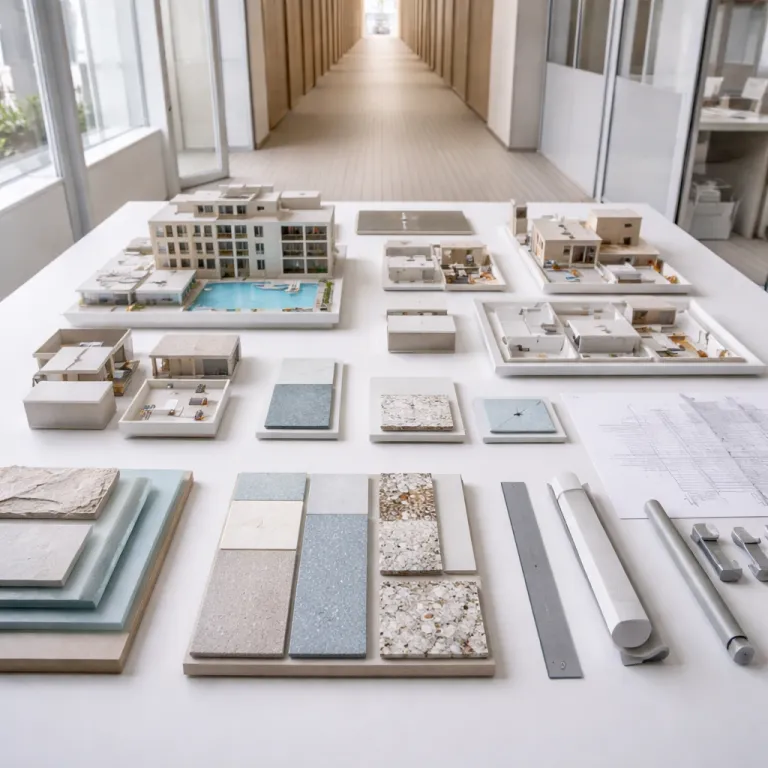
Why architect led luxury hotel design matters for your stay
Architect led luxury hotel design is where a property’s character truly begins. When an architect, not a branding deck, is the principal decision maker, the spatial concept, hospitality operations and service choreography align into one coherent experience. In a world of copy paste amenities, the hotels that treat architecture and interior design as the key narrative tend to deliver the best long term value for a solo traveller’s time and money.
Architects influence every metre you walk, because they shape aesthetics, functionality and guest experience. That influence is clearest in high end properties where an experienced hospitality leader gives the design team real authority over circulation, daylight, acoustic behaviour and how guest rooms connect to public spaces. In these design led hotels, the lead architect is not a ceremonial name but an active director of how you will actually live in your rooms, suites and shared areas.
Industry surveys from groups such as STR and Statista indicate that there are many thousands of luxury and upper upscale hotels worldwide, yet only a fraction are genuinely architect driven from concept to opening. Exact counts vary by methodology and year, but the consistent pattern is that design led properties remain a minority within the global pipeline. Many hotels hire a well known architecture studio or hospitality design consultant, then dilute the vision through value engineering and brand templates. When you read between the lines of marketing, the properties worth your travel budget are those where the architect of record remains a visible leader from early sketches through construction and into post opening hotel awards and reviews.
Design that breathes: what you will feel, not see in photos
Design that breathes is less about statement furniture and more about how your lungs, eyes and ears relax in a space. Thoughtful architect led luxury hotel design maps daylight paths across the day, so guest rooms receive soft morning light while suites facing the sea or city avoid glare and heat build up. You notice it when you can read comfortably by a window at 16 00 without switching on a lamp, and when interior finishes use materials that stay cool under bare feet.
Post occupancy evaluations in high end hotels repeatedly show that access to natural light and views is one of the strongest predictors of guest satisfaction, often ranking alongside bed comfort and service. Acoustic behaviour is another quiet test of serious hospitality design, because sound control rarely appears in glossy photography. In a well resolved hotel, you hear the lobby’s energy without it leaking into your floor, and you sense that the design team has tuned corridors, doors and even shower partitions to avoid the usual clatter. Independent post occupancy studies often highlight details such as door seals, floor build ups and bathroom layouts as key contributors to perceived luxury, even when guests cannot name the components.
Circulation is the final, often invisible, layer of design thinking that separates a true hospitality leader from a marketing exercise. You should be able to move from arrival to guest rooms, spa, restaurant and bar in intuitive steps, without confusing signage or awkward backtracking. When the overall architecture is handled by a confident lead architect, the resort or city hotel feels legible from the first walk, which is especially reassuring for solo travel in unfamiliar destinations.
Three architect led projects that show where luxury is heading
Some of the clearest examples of architect led luxury hotel design sit in very different climates and cultures. Above the Arctic Circle, the circular Svart project near the Svartisen glacier in Norway has been presented as an energy positive hotel on stilts, aiming to use around 85 percent less energy than a conventional modern hotel. Its architecture uses vernacular forms inspired by local fishing structures alongside advanced technology to reduce energy demand while maximising views of the sea and surrounding mountains.
In Kyoto, Capella Kyoto occupies the restored Shinpukan complex in the Higashiyama district, showing how adaptive reuse can elevate hospitality design. Here, the architecture and interior design teams work as a single studio, preserving corridors, staircases and courtyards while inserting contemporary guest rooms and suites that respect the original proportions. This kind of design led transformation demonstrates how hotels can honour local culture and history, echoing the growing industry consensus that sustainable design practices and integration of local culture are now central to high end hospitality.
London’s Waldorf Astoria London Admiralty Arch, set within a landmark commissioned by King Edward VII and long used as a ceremonial gateway, offers a different lesson in heritage restoration. Public information about the scheme credits a combination of architecture and interior design firms over different phases, reflecting the complexity of working with a protected monument. The project treats the arch not as a backdrop but as the key character, with the hospitality team and architects ensuring that public spaces, suites and service routes respect the building’s geometry and protected fabric. When you compare these three hotels, you see how a strong design leader can adapt the same architect led philosophy to a polar environment, a Japanese urban block and a royal gateway without repeating a single visual cliché.
How to read a hotel through its architect, not its logo
For a solo explorer, the room is often the point of the trip, so learning to read a hotel through its architect pays off quickly. Start by checking whether the architect of record, such as the design team credited at Baccarat Hotel New York or the architecture studio behind Vdara Hotel & Spa in Las Vegas, is clearly named alongside the interior design firm. When a hospitality brand hides the architecture team behind generic lifestyle language, it usually signals that design decisions were driven by templates rather than a coherent vision.
Look for evidence that the lead designer stayed involved beyond the concept phase, especially in complex properties like W Aspen by Rowland+Broughton Architecture and Urban Design or L’Ermitage Beverly Hills, where landscape architects such as WATG have contributed to the overall experience. Serious architect led luxury hotel design often involves collaboration with landscape, lighting and acoustic specialists, particularly where resort style privacy and city hotel energy must coexist. When architects say they use a collaborative design process, 3D modelling and local materials, they are describing the behind the scenes work that makes circulation, light and acoustics feel effortless.
Ask direct questions before you book, because they reveal whether hospitality design is lived or staged. Who chose the stone in the lobby, and who specified the sheets in the guest rooms and suites? Which director or studio now maintains the lighting scenes, and how often are they recalibrated for different seasons or for sea facing versus courtyard facing rooms? When a hotel answers with clarity, naming the architecture studio, the interior design team and the current hospitality leader, you can be more confident that your stay will feel as considered as the press images suggest.
Spotting substance over signature names when you book
The signature architect trap is real, especially in global hospitality where large firms carry instant recognition. Some hotels commission a famous architecture practice, then treat the name as wallpaper while value engineering away the spatial generosity that made the concept compelling. Architect led luxury hotel design only works when the lead architect and senior designers retain authority through construction, opening and the long tail of operations.
To separate substance from surface, compare how different hotels talk about their design and hospitality in detail. A property that simply lists a star chef, a potential Michelin ambition and a spa menu is not necessarily the best choice for a solo traveller who cares about suites, circulation and acoustic calm. By contrast, a resort that explains how its guest rooms are oriented to the sea, how its island pathways are lit and how its hospitality leader manages service flows is usually more serious about long term experiences.
Look at how design led brands handle diverse geographies, from Asia Pacific city towers in Hong Kong to coastal retreats in Costa Rica or Saudi Arabia’s Red Sea developments. When you read about properties like The Ritz Carlton or members of the Design Hotels collection, pay attention to whether hotel awards and critic reviews mention architecture, interior design and sustainability, not just service rituals. The most reliable signal is when a hospitality leader describes their travel philosophy in terms of spatial quality, guest experiences and architecture, rather than only loyalty points and restaurant rankings.
How architect led design changes the solo traveller’s experience
Solo travellers are disproportionately drawn to architect led properties because the room, not the restaurant, often anchors the experience. When circulation is intuitive and public spaces are legible, you feel comfortable exploring a large resort or city hotel without relying on a companion’s sense of direction. That confidence frees you to shape your own travel rhythm, whether you are crossing an Asia Pacific metropolis or stepping off a boat into a Red Sea island retreat.
In architect led luxury hotel design, guest rooms and suites are treated as primary spaces rather than leftover floor plate, which matters when you are alone. You notice it in the way a window seat is angled towards the sea or city, in how a desk receives natural light and in how interior design layers create zones for working, reading and sleeping. Properties like Capella Kyoto or the future facing Svart concept show how careful proportions, views and material choices can turn even compact rooms into generous experiences.
For many readers of top hotel guides, the most useful comparison is between architect led hotels and chef led properties that prioritise Michelin ambitions over spatial quality. Both can be extraordinary, and some combine strong hospitality design with serious culinary programmes, as explored in industry analysis of when a restaurant effectively becomes the hotel and how chef led properties are rewriting the deal. When you choose a stay where a hospitality leader, architect and interior design studio work as equal partners, you are more likely to leave with experiences that feel both luxurious and quietly restorative.
FAQ
What defines a luxury hotel from an architectural perspective ?
A luxury hotel from an architectural perspective combines high end materials, generous spatial proportions and carefully planned circulation. It offers high end accommodations with premium services and amenities, but also prioritises daylight, acoustic comfort and intuitive wayfinding. Architect led luxury hotel design ensures that these elements work together so that hospitality, service and space feel seamlessly aligned.
How do architects influence hotel design beyond aesthetics ?
Architects influence hotel design far beyond façades and lobby statements, because they control structure, layout and technical performance. They determine how guest rooms connect to public spaces, how service routes avoid guest areas and how natural light and ventilation reach key zones. Industry guidance from hotel design manuals consistently notes that architects shape aesthetics, functionality and guest experience, which is why their role is central in serious hospitality design.
Why are sustainable practices important in architect led hotels ?
Sustainable practices are important in architect led hotels because they reduce environmental impact while often improving comfort. Strategies such as energy efficient structures, adaptive reuse of existing buildings and well insulated building envelopes can lower operating costs and stabilise room temperatures. Research on eco conscious travel also notes that sustainability reduces environmental impact and appeals to guests who prioritise responsible choices, which aligns with the priorities of many solo explorers choosing where to stay.
How can I tell if a hotel is truly architect led before booking ?
You can often tell by how transparently a property credits its architecture and interior design teams. Look for clear mention of the architect of record, the design director and the principal in charge, and check whether they describe specific design decisions rather than vague lifestyle language. If pre arrival communication can answer questions about materials, lighting and circulation with confidence, the hotel is more likely to be genuinely architect led.
Are architect led hotels always more expensive than other luxury options ?
Architect led hotels are not always more expensive, but they often sit at the upper end of the market because of higher construction and design costs. Publicly reported budgets for complex luxury projects can run into hundreds of millions of dollars, especially for challenging sites or heritage restorations. For a solo traveller, the question is less about absolute price and more about whether the spatial quality, comfort and hospitality justify the rate compared with similarly priced but less thoughtfully designed hotels.