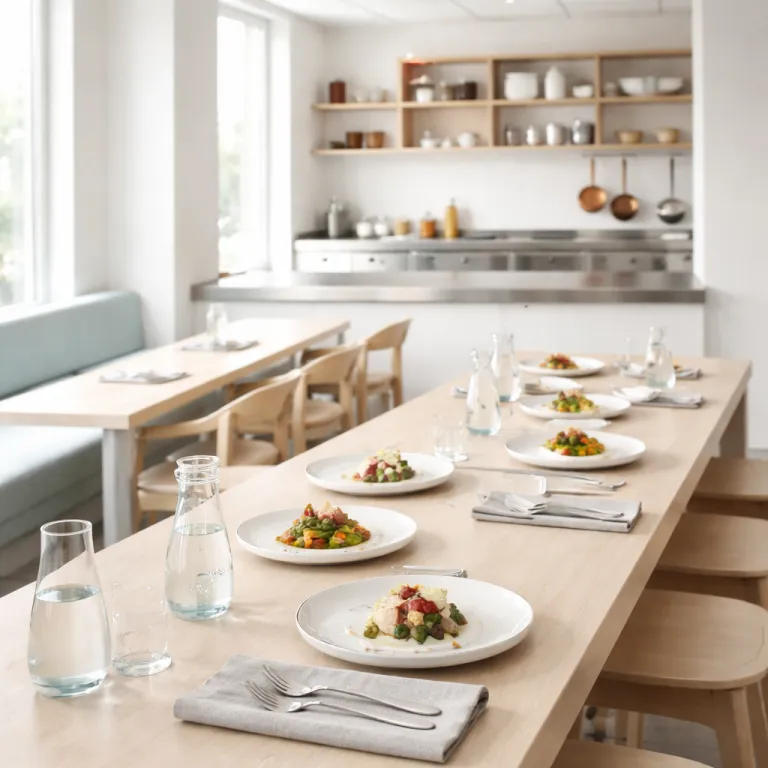
From hotel with restaurant to restaurant with rooms
The chef-led luxury hotel is no longer a niche experiment but a clear shift in how high-end hospitality defines itself. When a chef, not a consultant, sets the pace, the entire hotel experience bends around the kitchen, from sourcing to check-in timing and even how event space is programmed. For a solo traveler choosing between hotels resorts, this change can quietly determine whether your stay feels perfunctory or like an experience full of intent.
In a traditional luxury hotel the restaurant is an amenity, while in a chef led property the restaurant is the destination and the guest rooms become supporting actors. That means the culinary program dictates service rhythms, staffing priorities and even the design of every shared space, including the lobby, bar and any indoor outdoor terrace. You feel it when the maître d’ knows your arrival time before reception does, and when room service mirrors the restaurant’s fine dining standards rather than a generic food beverage menu.
Industry data and trade analyses show a marked rise in this model, with hundreds of Michelin-starred restaurants now embedded in hotels worldwide. A 2023 review of the Michelin Guide’s online database by several hospitality analysts, for example, counted more than 350 starred restaurants operating inside hotels across Europe and Asia alone, underscoring how deeply fine dining has entered luxury accommodation. This growth reflects a broader context where guests seek a deeper dining experience instead of just another on-site restaurant with predictable dining options. For you as a guest, the question is simple yet powerful; are you booking a hotel that happens to feed you, or a restaurant whose rooms let you stay inside the story overnight?
What truly changes when the chef is in charge
When a serious chef takes the lead, sourcing moves from convenient to obsessive, and you notice it on the plate and in the minibar. A chef-led luxury hotel will often build relationships with nearby farms, fisheries and markets, then extend that same ingredient integrity to breakfast buffets, in-room snacks and even the beverage program. The result is a culinary experience that feels coherent from sunrise coffee to late-night room service, not a patchwork of outsourced concepts.
Staffing also shifts; the strongest cooks are no longer confined to the signature restaurant but rotate through banquets, bar menus and private dining venues. That means a wedding in the event space, a casual lunch by the park-facing pool and a solo dinner at the counter can all carry the same chef cuisine DNA. Even check-in may be timed around restaurant seatings, with early arrivals encouraged so guests can experience best the pre-service energy in the bar or lounge.
Design follows the kitchen’s needs rather than the other way around, so circulation between restaurant, bar, spa and guest rooms is planned to keep service fluid. You might see open kitchens that connect visually to the lobby, or a fitness center positioned near a juice bar that uses the same produce as the tasting menu. In the strongest properties, every space in the property, including corridors and terraces, feels like part of one continuous dining experience rather than a series of disconnected hotel zones.
How to spot a marketing kitchen versus a real partnership
Not every hotel that advertises a star chef is offering a genuine chef led experience. A marketing kitchen usually reveals itself through limited on-site presence, generic menus and a restaurant that feels isolated from the rest of the resort. If the chef’s name is everywhere but the staff cannot explain the culinary program beyond a few rehearsed lines, you are likely looking at a licensing arrangement rather than a creative commitment.
Start with the menu; a true chef-led luxury hotel will show seasonal change, local sourcing notes and a clear narrative that links the restaurant to the destination. Ask whether the chef oversees breakfast, room service and banqueting, or only the headline fine dining room, because a narrow remit often signals a brand play instead of a fully integrated experience. Walk the property and notice whether the bar snacks, poolside dining options and even the spa café echo the same food beverage philosophy or feel like separate, anonymous outlets.
Architecture offers more clues, since a serious partnership usually influences the design of both public space and guest rooms. Look for thoughtful indoor outdoor transitions that allow the restaurant to spill into gardens or terraces, and for event space that can flex between tastings, classes and traditional functions. When the collaboration is real, the hotel brand, the chef and the destination feel braided together, and guests sense that every part of the stay, not just dinner, has been shaped by the kitchen.
Three case studies where the restaurant leads the stay
Across the united states and Europe, several new openings show how far this model can go when handled with conviction. At Lake Como EDITION, reports in 2024 hospitality coverage describe three-Michelin-starred Mauro Colagreco as guiding the resort’s culinary direction, turning the lakefront property into a restaurant-first destination where the hotel supports his vision. Here the dining experience stretches from a vegetable-driven fine dining room to more relaxed dining venues, all sharing a single culinary program that makes the entire resort feel like one extended table.
In Singapore, Raffles has invited chef Andre Chiang to collaborate on a heritage-gastronomy concept in spaces shaped by designer Bill Bensley, illustrating how a grand historic hotel can still feel sharply contemporary. The restaurant’s narrative about local flavors and cultural memory seeps into the bar’s beverage program, the courtyard event space and even the snacks awaiting guests in their room. Over in Greece, Conrad Corfu’s signature restaurant is described in recent Greek and international press as being overseen by Michelin-starred Alexandros Tsiotinis, whose approach anchors the property as a serious luxury hotel rather than just another island resort with views.
These examples, drawn from recent coverage in titles such as The Hollywood Reporter, The World’s 50 Best and Luster Magazine, show how hotels resorts can use chef cuisine leadership to create an experience full of emotional storytelling instead of mere excess. In each property, guests can book reservation times that align with tastings, classes or market visits, turning a simple stay into a structured culinary retreat. The common thread is that the chef, not the lobby, defines what the hotel is for and why you might cross an ocean to be there.
What solo travelers should look for before they book
For a solo explorer, a chef-led luxury hotel can be one of the most sociable ways to travel. Counter seating, chef’s tables and bar-adjacent dining venues make it easy to slip into conversation without the formality that sometimes shadows traditional fine dining rooms. When you book reservation slots, prioritize those seats over isolated tables, because they turn the restaurant into your living room rather than a stage you watch from afar.
Pay attention to how the property treats non-dining hours, since a strong hotel experience extends beyond the plate. A well-conceived spa, a compact but serious fitness center and a park or garden for walking between meals help balance indulgence with restoration. Guest rooms should feel like calm, well-insulated cocoons where the design quietly references the culinary story through materials, minibar choices or small books about local producers.
Solo guests often benefit from flexible dining options, including bar menus, room service drawn from the main kitchen and indoor outdoor terraces that feel safe and welcoming at any hour. Ask whether the hotel offers chef-led market tours, classes or tastings, because these can anchor your days and create natural points of connection with other guests. When all of these elements align, the chef-led luxury hotel becomes not just a place to sleep but a complete destination where you can experience best the intersection of travel, culture and cuisine on your own terms.
Key quantitative insights on chef-led luxury hotels
- The number of Michelin-starred restaurants located inside hotels worldwide is widely understood to be in the several-hundred range, underscoring how deeply fine dining has embedded itself into luxury accommodation. A 2022 analysis by hospitality researchers using the Michelin Guide’s online database, for instance, identified more than 400 starred venues operating within hotel properties across major global cities.
- Chef-led hotel restaurants have risen significantly over the past decade, reflecting strong guest demand for integrated culinary experiences rather than stand-alone dining rooms. Industry commentators frequently describe growth in the double digits, and a 2023 global hospitality outlook by Deloitte noted that “chef-branded venues are now a primary differentiator in the luxury and upper-upscale segments,” particularly in gateway destinations.
Essential questions travelers ask about chef-led luxury hotels
What defines a chef-led luxury hotel?
What defines a chef-led luxury hotel? A luxury hotel featuring a restaurant led by a renowned chef, offering high-end dining experiences. In practice this means the chef influences not only the flagship restaurant but also room service, banqueting and often the overall food beverage philosophy. When that influence reaches into design and programming, you are looking at a genuinely chef led property rather than a simple name partnership.
Why are luxury hotels partnering with celebrity chefs?
Why are luxury hotels partnering with celebrity chefs? To enhance guest experiences, elevate prestige, and attract food enthusiasts. For travelers, this often translates into richer dining options, more coherent culinary storytelling and a stronger sense of place woven through every meal. For the hotel brand, a respected chef can anchor its identity in a crowded market where many properties feel interchangeable.
Can guests interact with the chefs at these hotels?
Can guests interact with the chefs at these hotels? Many chef-led hotels offer opportunities for guests to meet the chefs through events or special dining experiences. These might include kitchen counter tastings, market visits, classes or informal conversations at the pass after service. If such access matters to you, ask about it before you book reservation times so expectations match reality.
FAQ
How can I tell if food quality extends beyond the main restaurant?
Check whether breakfast, bar snacks and room service menus reference the same producers and culinary program as the signature restaurant. When a chef-led luxury hotel is serious, you will see consistent ingredient naming and technique across all dining venues. If only the flagship restaurant feels thoughtful while everything else is generic, the partnership is probably limited.
Are chef-led luxury hotels suitable for longer stays?
They can be excellent for extended trips, especially if the property offers varied dining options and strong wellness facilities. Look for a spa, a well-equipped fitness center and indoor outdoor spaces that encourage you to linger between meals. Rotating menus and seasonal events also help keep a longer stay engaging.
Do chef-led properties work well for business travel?
Yes, particularly if you host clients or small teams, because the restaurant and event space can double as refined meeting environments. A strong beverage program and attentive service often make these hotels more memorable than conventional business properties. Just confirm that guest rooms have practical work space and that the hotel can accommodate early breakfasts or late dinners around your schedule.
What should I budget for dining at a chef-led luxury hotel?
Expect prices to sit at the upper end of the local market, especially in the flagship fine dining restaurant. However, many properties now offer more casual bars, lunch menus and tasting flights that allow you to experience best the chef cuisine without committing to the full menu every night. When planning, allocate a meaningful share of your overall budget to food beverage, because here the kitchen is the main reason to stay.
Is a chef-led luxury hotel worth it for non-food-obsessed travelers?
If you value atmosphere, service and a strong sense of place, the answer is often yes. Even without dissecting every dish, you benefit from the heightened attention to detail that a serious culinary focus brings to the entire property. That said, if you rarely dine on-site and prefer to eat elsewhere, a more conventional luxury hotel might offer better value.
Sources
- Michelin Guide – global listings of hotel-based starred restaurants
- Hospitality Industry Reports – trends in chef-led hotel partnerships and growth estimates, including 2022–2023 outlooks by major consulting firms
- The Hollywood Reporter, The World’s 50 Best, Luster Magazine – coverage of major chef-driven hotel openings and collaborations