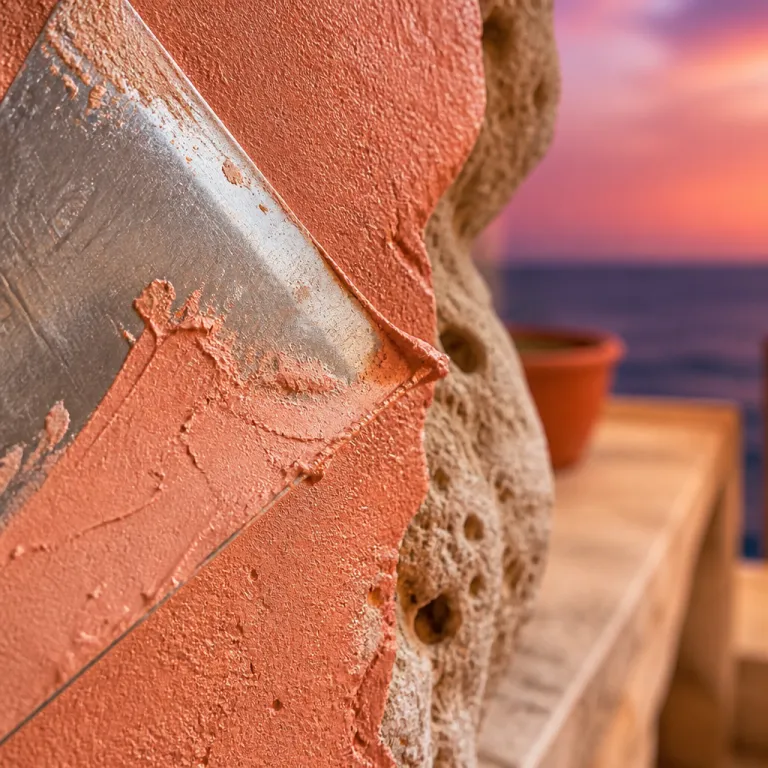
Mallorca luxury hotel Balearic: where hyper local starts to feel real
Choosing a Mallorca luxury hotel Balearic stay now means sorting theatre from truth. The island’s leading hotels and resorts talk about roots, but only a handful apply hyper local thinking beyond a few ceramics and a bowl of oranges. For a family planning several days on the islands of Spain, the question is simple yet demanding.
Which hotel turns the Balearic Islands into a lived experience, and which just dresses the lobby in straw hats and calls it a day? The heritage benchmarks — Cap Rocat, Belmond La Residencia, Son Bunyola and Castell Son Claret — set the tone for what serious luxury hotels can be in Mallorca. These properties show how a resort can use mares stone, lime mortar and juniper wood as its palette rather than imported marble and anonymous glass.
Architects on the island have been quietly building this language for years. Projects such as Paseo Mallorca 15 in Palma Mallorca by OHLAB (Paloma Hernaiz and Jaime Oliver), a certified Passive House using mostly local materials, prove that sustainability and luxury can share the same suite corridor. In the Tramuntana, Mar Plus Ask’s Olive Houses reach a very high percentage of local materials, while Ideo Arquitectura’s renovation of a 200-year-old home in Ses Salines shows how traditional construction can still frame contemporary rooms and suites.
These architectural projects matter when you book a hotel because they influence how new hotels resorts are conceived. When a Mallorca Balearic property is serious about place, you feel it in the thickness of the walls, the way the view is framed and the way breakfast is served. The best luxury hotel teams work with local artisans, sustainable suppliers and cultural heritage organisations rather than relying on catalogue décor.
For families comparing rates across hotels, the hyper local question should sit beside the room rate and the pool size. Look at how a hotel describes its offers, its resort activities and its connection to specific villages or landscapes, not just to generic islands Spain marketing. When you view details on booking pages, read past the perks and check whether the hotel credits real Mallorcan producers, architects or chefs by name.
Mandarin Oriental Punta Negra and the new language of Balearic luxury
The arrival of Mandarin Oriental Punta Negra in Mallorca signals a new chapter for the island’s luxury hotels. This is the first Mandarin Oriental in the Balearic Islands, and expectations around service, design and sense of place are understandably high. Families who usually book preferred hotels in city centres will now weigh this coastal resort against long established icons such as Son Vida or Cap Rocat.
Mandarin Oriental’s global playbook is polished, but the real test in Palma Mallorca and its surroundings is how deeply the hotel applies Balearic specifics. Hyper localisation here should mean more than a Mallorcan ensaïmada at breakfast and a tumbet on the room service menu. It should extend to how the resort uses mares stone in public spaces, how juniper wood shades terraces and how lime mortar keeps rooms and suites naturally cool.
When you check availability and rates for a stay at Punta Negra, pay attention to the narrative around architecture and landscape. Does the hotel explain which local architects or artisans shaped the project, in the way OHLAB did with Paseo Mallorca 15 or Ideo Arquitectura did in Ses Salines? Or does it lean on generic islands Spain language that could apply to any Mediterranean resort? A credible Mallorca luxury hotel Balearic style property will reference real villages, coves and mountain paths, not just “the island”.
Food is another clear indicator of whether a hotel is costuming the Balearics or living them. A serious luxury hotel will work with producers of sobrasada, olive oil and wine from specific fincas, and it will name them on the menu. When you view details for half board offers or family packages, look for tasting menus built around pa amb oli, local fish and seasonal vegetables rather than a token tapas night.
For travellers who love island stays, it helps to compare how other destinations handle authenticity. A good reference is this guide to beachfront hotels on Catalina Island, where the best properties connect architecture and shoreline in a similarly tight way. In Mallorca, Mandarin Oriental Punta Negra will be judged by the same standard, especially by families who return year after year and notice whether the second visit confirms the first impression.
Tramuntana versus south coast: choosing your island base without the clichés
Where you stay on Mallorca shapes how you experience the island’s character. The Tramuntana mountains and the south coast offer very different readings of the Balearic Islands, and the right hotel can tilt the balance either way. For a premium family, the decision is less about a single resort and more about which landscape you want your children to remember.
In the Tramuntana, properties such as Son Bunyola and Belmond La Residencia lean into stone terraces, olive groves and long valley views. Here, a Mallorca luxury hotel Balearic mountain stay means walking out from your suite directly into hiking paths, then returning for a late check out after a final swim. Breakfast often features local almonds, oranges and bread for pa amb oli, and the architecture echoes the Olive Houses and other mountain projects that use traditional stone and wood.
On the south coast, resorts near Palma Mallorca or around Cap Vermell and the Vermell Grand complex tend to offer easier beach access and more structured family perks. These hotels resorts often highlight kids’ clubs, spa credits and flexible early check in policies, which can be invaluable on travel days with young children. When you book, compare not only the rate and availability but also how each hotel describes its relationship to nearby villages, markets and coves.
Hyper localisation can collapse quickly when menus or activity lists name Spain instead of Mallorca. If a resort promotes “Spanish nights” without mentioning sobrasada, tumbet or local wines, you are probably seeing costume rather than culture. The same applies to artisan workshops that offer generic “Mediterranean crafts” instead of specific Mallorcan basketry, pottery or leather traditions.
Families who enjoy thoughtful island stays might also look at how other regions handle place based hospitality. This analysis of selecting the best hotel on Koh Lanta shows how coastline, village life and resort design intersect in another island context. Use a similar lens in Mallorca Balearic settings, asking whether your chosen hotel or resort feels anchored to its exact stretch of coast or could be lifted and dropped anywhere in islands Spain.
From sobrasada to mares stone: how to read real Balearic details when you book
Menus and material choices tell you more about a hotel’s values than any marketing line. When a Mallorca luxury hotel Balearic property is serious about hyper local, you will see it in the breakfast buffet and in the walls around you. Families can use a few simple checks before they book to separate substance from styling.
Start with food, because it is the easiest place to spot shortcuts. A credible luxury hotel in Mallorca will serve sobrasada, ensaïmada, tumbet and pa amb oli as part of its regular breakfast and dinner offerings, not just as a themed night. Look for restaurants such as Es Racó d’es Teix, BOU by Tomeu Caldentey and Andreu Genestra on concierge recommendation lists, because these names signal a kitchen that understands the island’s producers.
Architecture is the next filter, and here the work of local studios offers a useful benchmark. Projects like Paseo Mallorca 15 in Palma, the Olive Houses in the Tramuntana and the Ses Salines renovation by Ideo Arquitectura show how mares stone, lime mortar and juniper wood can create both comfort and energy savings. When a hotel mentions similar materials in its rooms and suites, you can reasonably expect better thermal performance and a quieter stay.
Artisan partnerships are another strong indicator of authenticity. Real apprenticeships in pottery, leather and basketry take time, and hotels that support them usually highlight specific workshops rather than generic “local crafts”. One basket maker in the Pla de Mallorca region summed it up simply: “The hotels that visit our workshop every season keep the old techniques alive — the others just buy a few baskets for the lobby.” If a resort shop feels like a display of imported souvenirs, the hyper local story probably stops at the lobby.
When you compare rates and offers across hotels, pay attention to how these elements are described. A property that invites you to view details about its collaborations with named artisans, architects and farmers is usually more invested in the community. This matters for regenerative travel, because your room rate and any resort credit you spend can support long term skills rather than short term trends.
Booking strategies: perks, upgrades and sustainable choices for premium families
Once you have identified a genuinely rooted Mallorca luxury hotel Balearic property, the next step is booking smartly. Families should balance rate, flexibility and perks with the hotel’s sustainability commitments and local impact. The goal is to secure comfort and value without undermining the very qualities that drew you to the Balearic Islands.
Start by checking availability across several days, because shoulder dates often unlock better rates and more generous offers. Many luxury hotels provide added value such as resort credit, complimentary breakfast or a potential room upgrade when you book directly or through preferred hotels programmes. Always view details on package pages, as some include early check in or late check out, which can transform a travel day with children.
Pay attention to room and suite categories, especially in resorts like Son Vida, Cap Vermell or the Vermell Grand complex. Some rooms suites face the sea or the Tramuntana, while others look over gardens or internal courtyards, and the view can change how you experience the islands Spain. When possible, apply for flexible policies that allow date changes, because weather and family schedules can shift.
Regenerative travel also means considering how your stay supports better building and design practices. Architectural projects such as the Olive Houses and Paseo Mallorca 15 demonstrate that using a high proportion of local materials can cut energy use significantly. Public information on Passive House design in Paseo Mallorca 15 notes substantial energy savings compared with conventional buildings, which shows how thoughtful construction can reduce long term environmental impact.
For travellers who appreciate mountain based stays as much as island resorts, it is worth reading how other destinations handle sustainable luxury. This review of an elegant alpine base in Québec illustrates how a hotel can blend local materials, landscape and service in a cold climate. Apply the same questions in Mallorca Balearic hotels, asking how the property manages energy, water and community relationships alongside the usual focus on pools, spas and kids’ clubs.
Reading the fine print: brands, loyalty and the artisan question
Global brands and independent estates now share the same Mallorcan coastline, and both can deliver or dilute hyper local promises. Names such as Kimpton Aysla, Aysla Mallorca, Hotel Son and Sant Francesc sit alongside Son Bunyola, Son Vida and Cap Vermell on family shortlists. The challenge is to read beyond the logo and understand how each hotel interprets the Balearic Islands.
Brand affiliated hotels often plug into loyalty ecosystems that offer clear perks. You might receive resort credit, breakfast for two, a confirmed upgrade or more flexible early check in and late check out when you book through a preferred hotels channel. These benefits can make a higher rate feel justified, especially for longer stays with children.
Independent properties sometimes lack global points, but they can excel in artisan partnerships and architectural integrity. When you view details on their websites, look for references to specific potters, leatherworkers or basket makers, and for mentions of materials such as mares stone and juniper wood. “What is the Olive Houses project?” “A project by Mar Plus Ask blending ancient stone structures with modern interiors.” “What is Paseo Mallorca 15?” “A Passive House in Palma designed by OHLAB using local materials.” “Who renovated a 200-year-old home in Ses Salines?” “Ideo Arquitectura Boutique.”
Hyper localisation collapses when hotels reduce the island to a backdrop for generic Mediterranean imagery. If a property’s narrative could be copied to any resort in islands Spain without changing a word, you are probably looking at costume rather than commitment. For a Mallorca luxury hotel Balearic stay that feels specific, prioritise hotels and resorts that name their collaborators, explain their building choices and engage with real apprenticeships rather than staged workshops.
In the end, the most reliable test is the return visit. Families who come back to the same hotel after a few years quickly see whether the property has deepened its local ties or simply refreshed the décor. As one long-time guest at a Tramuntana estate put it, “We knew they were serious when the same baker, the same olive farmer and the same potter were still on the breakfast table and in the lobby five summers later.” The hotels that matter are not the ones topping lists, but the ones where the second stay proves the first was no fluke.
FAQ
How can I tell if a Mallorca hotel is genuinely hyper local ?
Look for specific references to Mallorcan food, materials and artisans rather than generic Spanish themes. Menus should feature sobrasada, ensaïmada, tumbet and pa amb oli regularly, and building descriptions should mention mares stone, lime mortar or juniper wood. Serious hotels also name local architects, such as OHLAB or Ideo Arquitectura, and highlight real artisan partnerships.
Is the Tramuntana or the south coast better for families ?
The Tramuntana suits families who prioritise hiking, stone villages and quieter evenings. The south coast works better if you want easier beach access, more structured kids’ activities and shorter transfers from Palma Mallorca. Both can offer excellent luxury hotels, so the choice depends on whether mountains or sea should frame your stay.
Which Mallorcan dishes should I expect at a high end hotel ?
A credible Mallorca luxury hotel Balearic property will serve sobrasada, ensaïmada, tumbet and pa amb oli as part of its regular offering. You should also see local almonds, citrus, olive oil and wines from named fincas on menus. If the hotel only offers generic “Spanish tapas nights”, its hyper local claims are probably superficial.
Do sustainable building practices really affect my stay experience ?
Yes, because materials and design influence comfort, noise levels and energy use. Projects like Paseo Mallorca 15 show that Passive House standards can cut energy consumption significantly while keeping interiors naturally cool. Hotels that use local stone and wood often feel more solid, quieter and better adapted to the Mallorcan climate.
Are branded resorts or independent estates better for authentic stays ?
Both can work, but they deliver authenticity in different ways. Branded resorts such as Kimpton Aysla or Aysla Mallorca often provide strong service standards and loyalty perks, while independent estates like Son Bunyola or Cap Rocat may go deeper on architecture and artisan ties. The key is to read how each property explains its relationship to the island, not just its amenities.