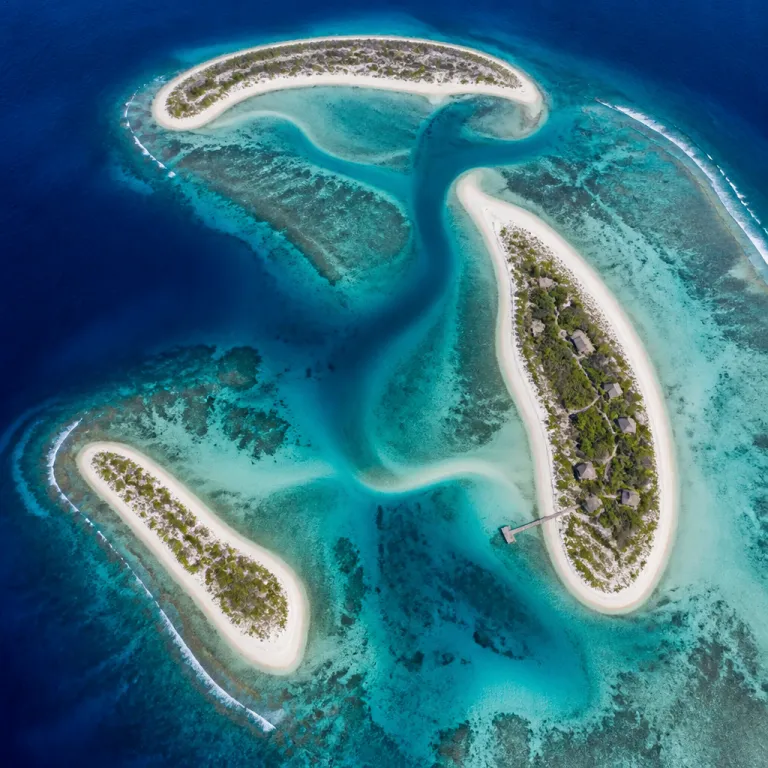
The Bazaruto luxury archipelago in Mozambique for couples who have outgrown the obvious
The Bazaruto luxury archipelago Mozambique offers something the Maldives no longer can. This string of six main islands off the coast of Mozambique sits in the warm Indian Ocean, with long sandbars, shifting dunes and a feeling of space that most island resort clusters have traded for density. For a couple planning a beach holiday with time to breathe, the combination of wild national park protection and low lodge numbers is the real luxury.
Geographically, the bazaruto archipelago stretches off Inhambane Province, with Bazaruto Island and Benguerra Island forming the core of most itineraries. These islands sit inside the Bazaruto Archipelago National Park, a protected marine area co managed by ANAC and African Parks, where dugongs, turtles, dolphins and various fish species are protected. The park holds an estimated 250 dugongs, and that single species statistic quietly explains why this archipelago will never become a copy paste of a crowded Maldives style destination.
On Bazaruto Island you feel the scale immediately, from high sand dunes to long beach curves that frame the lagoon like a desert meets ocean painting. Couples can plan based activities such as dhow sailing at sunset, low tide walks across sandbanks and diving snorkelling sessions on reefs that still feel alive. When you add the warm water, the soft light and the absence of overwater villa sprawl, the Bazaruto luxury archipelago Mozambique starts to feel like a deliberate counterpoint to the usual Indian Ocean holiday.
For many travelers, the comparison with the Maldives begins with the water and the beach, yet the story here is more about conservation than cabanas. Mozambique Bazaruto sits within a national park where marine conservation is not a brochure slogan but a management mandate, backed by biodiversity monitoring, satellite tagging and community engagement. That framework shapes everything from where lodges can build to how fishing and diving are regulated, and it is the main reason this archipelago still feels like an emerging destination rather than a polished theme park.
Access, logistics and the gatekeeping effect of Vilanculos
Reaching the Bazaruto luxury archipelago Mozambique requires a little more planning than a plug and play Maldives package. Most international guests route their Mozambique travel through Johannesburg, then connect to Vilanculos on the mainland, where small aircraft or boats fan out to the islands. That extra step acts as a natural filter, keeping overall visitor numbers modest and preserving the sense that each island resort still belongs to its landscape rather than the other way around.
Vilanculos itself is more than a transit point, and couples with time should consider a night there before or after their island holiday. The town’s beach curve looks directly across to Bazaruto Island and Benguerra Island, and local operators offer day trips for diving, fishing and simple sailing based activities that give a first taste of the archipelago. For travelers who like to compare destinations, Vilanculos has a similar role to mainland hubs serving other island getaways, much like the coastal gateways that support beachfront hotels on Catalina Island for your next stay.
From Vilanculos, transfers to the lodges are short but weather dependent, which is where the best time to visit becomes more than a climate chart. The dry season from roughly May to October is generally the best time for smooth flights, clear water and comfortable temperatures on both islands and beaches. If your priority is diving snorkelling with manta rays or spotting humpback whales on migration, your ideal time visit may cluster around the cooler, clearer months, while those chasing a pure beach holiday might accept slightly warmer, more humid conditions at the shoulders of that window.
Because access is limited and the national park caps development, lodge inventory across the bazaruto archipelago remains small. That means couples should secure their preferred lodge or island resort several months ahead, especially if they want specific room categories or dates in the peak dry season. The upside of this logistical gatekeeping is that even when every lodge is full, the islands and beaches rarely feel crowded, and you can still walk long stretches of sand without seeing another guest.
The three heavyweight properties and how they shape the Bazaruto question
For now, three serious properties define the Bazaruto luxury archipelago Mozambique for high end travelers. Anantara Bazaruto Island Resort, andBeyond Benguerra Island and Kisawa Sanctuary each interpret the same marine landscape differently, and together they explain why this archipelago is being talked about as a quieter alternative to the Maldives default. The question is not which lodge has the highest rating, but which one matches the way you and your partner actually travel.
Anantara Bazaruto sits on Bazaruto Island with a classic resort layout, a long beach frontage and a full menu of based activities from diving and fishing to dune boarding. It is the most traditional island resort of the three, with multiple restaurants, a spa and room categories that range from beachfront villas to larger residences, making it a strong choice for couples who like options and a social atmosphere. The presence of Anantara Bazaruto also anchors the perception of Bazaruto Island as the more established part of the archipelago, where service rhythms and logistics are already well rehearsed.
Across the water on Benguerra Island, andBeyond Benguerra leans into a more intimate, castaway aesthetic, with thatched casinhas, shaded decks and a focus on personalised guiding. Here the emphasis is on curated experiences such as private dhow cruises, tailored diving snorkelling excursions and low impact fishing trips that respect the national park rules on protected species. Azura Benguerra, another key lodge on Benguerra Island, offers a slightly more contemporary take, with villas that open directly onto the beach and a style that will appeal to couples who might also be considering the best hotel in a place like Koh Lanta for a perfect beach escape.
Kisawa Sanctuary, on the southern tip of Benguerra Island, pushes the design and sustainability conversation further, with large, private bungalows, serious architecture and a strong commitment to conservation partnerships. Its pricing sits closer to top tier Maldivian peers, yet the experience feels less choreographed, with more space, more dunes and fewer neighbours. Together, these lodges ensure that the bazaruto archipelago can host everything from a relaxed beach holiday to a high design retreat, without tipping into the density that has reshaped many Maldives islands.
Marine life, conservation and why Bazaruto is not the new Maldives
Calling the Bazaruto luxury archipelago Mozambique the new Maldives misses the point of what is being protected here. This is the first marine reserve managed by African Parks, working alongside ANAC, and the focus is as much on dugongs, turtles and dolphins as it is on guest experience. The park uses tools such as satellite tagging, environmental education and alternative livelihoods to ensure that tourism, fishing and conservation can coexist without eroding the very species that make the archipelago special.
Within the Bazaruto Archipelago National Park, regulations shape how lodges operate, where boats can go and which fishing techniques are allowed, all to reduce pressure on vulnerable species. Guests often arrive focused on whale sharks, manta rays and humpback whales, yet the quieter story is the survival of the dugong population, one of the last viable groups in the western Indian Ocean. The official line is clear and worth repeating in full for any visitor who cares about their impact : "What species are protected in Bazaruto?" "Dugongs, turtles, dolphins, and various fish species."
For couples, this conservation framework translates into a different rhythm of activities compared with a typical Maldives stay. Diving and diving snorkelling trips are often guided by marine biologists or highly trained local teams, and fishing excursions are designed around catch limits and seasonal closures that protect spawning species. On some days you may trade a motorised activity for a simple dhow sail or a walk along Marlin Beach, and that slower pace is precisely what keeps the Bazaruto luxury archipelago Mozambique from becoming another over programmed resort cluster.
The conservation story also extends to community engagement, with increased community based conservation, growth in sustainable tourism and enhanced marine research initiatives all cited as priorities. Guests are encouraged to respect local customs, follow park guidelines and support eco friendly businesses, which can be as simple as choosing a responsible operator for a day trip to Santa Carolina or tipping fairly after a guided walk. For travelers who care about where their money goes, this is where Bazaruto quietly outperforms many Maldivian islands, aligning luxury with a credible, measurable conservation agenda.
Pricing, seasonality and how Bazaruto might scale by 2028
On price, the Bazaruto luxury archipelago Mozambique sits just below the most rarefied Maldivian atolls, yet above many mainstream Indian Ocean resorts. Anantara Bazaruto and Azura Benguerra typically occupy the upper mid to high tier, while Kisawa Sanctuary and ultra private villas on Benguerra Island reach into serious splurge territory. For couples used to Maldivian rates, the value equation here often feels more generous, with larger villas, more space per guest and a stronger sense of connection to the surrounding islands.
Seasonality is straightforward, and understanding it will help you secure the best rating to value ratio for your stay. The broadly dry, cooler period from May to October is widely considered the best time for a beach holiday, with lower humidity, clearer water and calmer seas for diving, snorkelling and boat based activities. Shoulder months can offer softer pricing and fewer guests, but if your priority is reliable conditions for whale sharks, manta rays or humpback whales, your personal best time to visit will likely fall squarely within that dry window.
Looking ahead, the key question is whether the bazaruto archipelago can grow without losing what makes it work. Current visitor numbers sit around 30 000 people per year, a fraction of many Maldives chains, and the combination of national park rules and limited lodge sites should keep that growth measured. If Mozambique travel planners, ANAC, African Parks and the leading lodges maintain their alignment on sustainable tourism, Bazaruto by 2028 could feel like the rare archipelago that scaled up gently while staying true to its marine and community commitments.
For now, the rough edges are part of the charm, from slightly unpredictable transfer timings out of Vilanculos to the occasional power blip during a storm. Service at most lodges is warm and willing rather than theatrically polished, and that will appeal to couples who prefer sincerity over choreography. If you value that kind of character, you may find yourself comparing future trips here with stays in reimagined heritage properties elsewhere, such as a thoughtfully restored urban resort in Buffalo that shows how design and service can evolve without erasing a building’s soul.
FAQ
What is the best time to visit the Bazaruto Archipelago for couples?
The best time to visit the Bazaruto Archipelago for most couples is during the dry, cooler months from roughly May to October. During this period, sea conditions are calmer, visibility for diving and snorkelling is higher and humidity is more comfortable for a relaxed beach holiday. Shoulder months can work if you prioritise value over perfect conditions, but the core dry season remains the safest choice.
How do you reach Bazaruto Island and Benguerra Island from abroad?
Most international travelers fly into Johannesburg and then connect to Vilanculos on the Mozambican coast. From Vilanculos, lodges arrange short light aircraft flights or boat transfers to Bazaruto Island and Benguerra Island, with timings adjusted to tides and weather. Because capacity on these transfers is limited, it is wise to confirm flights and lodge bookings several months in advance.
What marine species can guests expect to see in the Bazaruto Archipelago?
The Bazaruto Archipelago National Park protects a notable dugong population, along with several turtle species, dolphins and a wide range of reef fish. Seasonal visitors include humpback whales, manta rays and occasionally whale sharks, which can be seen on guided boat trips and diving excursions. Sightings are never guaranteed, but the combination of protected status and low fishing pressure gives this archipelago strong biodiversity for its size.
How can tourists support conservation efforts during a stay in Bazaruto?
Guests can support conservation by choosing lodges and tour operators that work closely with African Parks and ANAC, and by following all park regulations on fishing, boating and wildlife encounters. Simple actions such as avoiding single use plastics, respecting no go zones and tipping local guides fairly all contribute to community based conservation. As the official guidance notes, tourists can also help by choosing eco friendly tours and respecting park regulations.
Is Bazaruto suitable for a first time trip to Mozambique?
Bazaruto is well suited to a first time Mozambique travel itinerary, especially for couples who prioritise comfort but want a sense of place. The main lodges provide strong logistical support, English is widely spoken in guest facing roles and the transfer chain via Vilanculos is well established. Pairing a few nights on the mainland with an island stay offers a balanced introduction to both coastal culture and the marine national park.