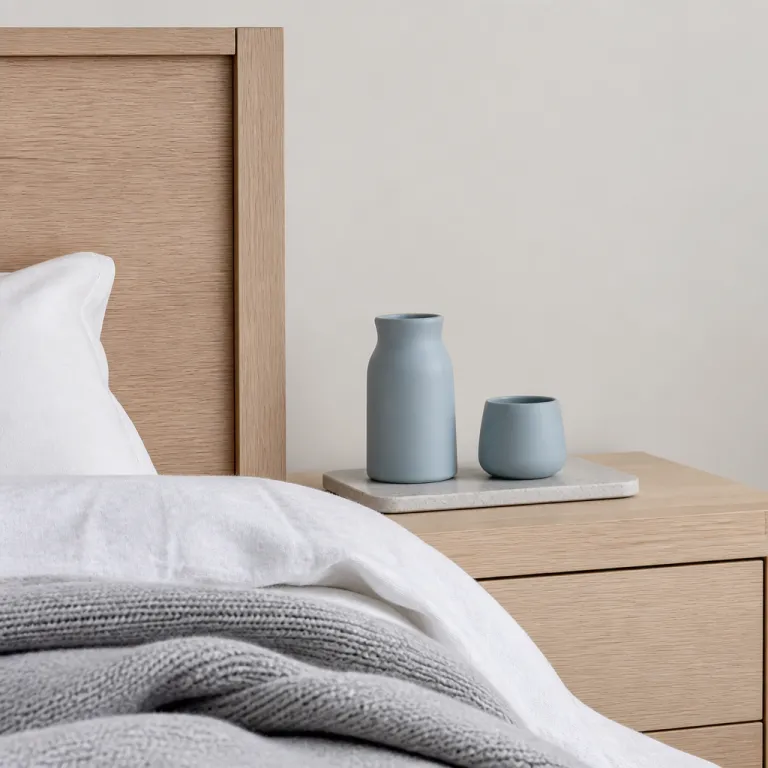
From quiet luxury wardrobe to quiet luxury hotel key card
Quiet luxury began in wardrobes, where logo free cashmere signalled confidence. As fashion designers stripped away monograms, the same affluent travelers started asking why their luxury hotels still shouted with backlit signage, scented lobbies and branded everything. That shift is the real story behind quiet luxury hospitality 2026, where restraint in behaviour matters more than restraint in logos.
In fashion, quiet luxury meant high quality fabrics, perfect cut and almost invisible branding that only insiders recognised. In hospitality, the quiet part now touches every layer of the hotel experience, from lobby music volume to how many times someone uses your name between the lift and your room. The hospitality industry leaders adopting this understated hospitality philosophy understand that luxury feels deeper when the guest experience is curated around calm, control and genuinely personalized gestures rather than constant performance.
Industry reporting from Hospitality Net, drawing on STR and Amadeus data, points to a clear post pandemic rebound in the luxury segment and a shift toward more considered, experience led stays. Minimalist design, neutral palettes and craftsmanship focused interiors are no longer niche; they are becoming the default language of future luxury hotels in urban and resort markets worldwide. As travelers increasingly seek spaces that soften the noise of daily life, quiet luxury hospitality 2026 is less a trend and more a new operating code for serious luxury hospitality brands.
What is quiet luxury? Understated elegance prioritizing quality over ostentation. How is quiet luxury applied in hospitality? Through minimalist designs, high quality materials and service that feels discreet rather than performative. Why is quiet luxury trending? Desire for subtle sophistication, sensory calm and timeless appeal in an over stimulated world.
For you as a guest, the question is not whether a hotel looks luxurious, but whether the experience feels quietly confident from arrival to checkout. Luxury travelers with rising net worth levels are no longer impressed by oversized logos on robes or key cards, because they can buy those logos at home. They are paying for luxury experiences that edit out friction, protect their time and create a few precise moments that stay with them long after the stay ends.
This is where the main SEO keyword quiet luxury hospitality 2026 becomes useful as a lens rather than a slogan. It describes a hospitality market where design, services and amenities are orchestrated to be almost invisible until you need them. For travelers, that means judging hotels not by how loudly they sell luxury travel, but by how quietly they deliver high quality guest experiences that feel tailored, calm and deeply human.
What quiet looks like operationally, from lobby music to branded amenities
Walk into an Aman, Rosewood, Cheval Blanc or Le Bristol and listen before you look. The first signal of quiet luxury is often sound, or rather the lack of it, because the lobby music sits low enough that conversations stay private and the welcome ritual feels composed. In this emerging chapter of quiet luxury hospitality 2026, behavioural restraint replaces theatrical greetings as the new benchmark of luxury hospitality.
At these luxury hotels, bell staff move with purpose but without choreography, and the check in process is designed to feel like a calm conversation rather than a scripted performance. The guest experience is still highly personalized, yet the services are delivered with a light touch that respects your travel fatigue and your social bandwidth. You notice how quickly someone offers water, how discreetly luggage appears in the room, and how the hotel will quietly adjust lighting or temperature before you even think to ask.
On the opposite axis sit Edition and W, where the design language, social energy and lobby soundtrack are intentionally extroverted. These hotels are not wrong for choosing a louder form of luxury experiences, but they illustrate the behavioural contrast that defines current travel trends at the top of the market. Under forty luxury travelers are increasingly splitting into two camps, with one group seeking high energy social scenes and another gravitating toward quiet luxury where hospitality performance is measured in recovery, not spectacle.
The branded amenity problem is where many hotels still fail the quiet test. When every robe, slipper, key card and water bottle carries a logo, the room starts to feel like a showroom rather than a sanctuary, and the luxury feels transactional instead of intimate. Properties serious about future luxury are editing branding down to a few high quality touchpoints, letting materials, craftsmanship and local culture speak louder than printed names.
Service density is another operational fault line. Some hotels still equate luxury with the number of staff per guest, but quiet luxury hospitality 2026 rewards service performance instead, where one well trained person anticipates needs that three average staff members would miss. This restraint in staffing patterns does not mean fewer amenities or weaker services; it means the hotel experience is choreographed so that help appears exactly when needed and vanishes when you want to be left alone.
If you care about how technology supports this subtlety, look at how cloud based hotel systems now enable teams to coordinate quietly behind the scenes. For a deeper dive into how this works in practice, read this analysis of how cloud solutions help hotels transform your stay from check in to check out. The most advanced luxury hospitality operators use these tools not to bombard you with notifications, but to refine guest experiences so that every interaction feels intentional, calm and almost effortlessly personalized.
The behavioural test: how long until the hotel tries to amaze you
There is a simple way to read whether a hotel truly understands quiet luxury. Time how long it takes before someone tries to amaze you with a grand gesture, an over rehearsed story or an unnecessary upgrade. In the world of quiet luxury hospitality 2026, the most confident hotels delay that moment or skip it entirely, focusing instead on a guest experience that feels composed, precise and grounded in your real needs.
For affluent travelers, especially those under forty, the new luxury experiences are less about fireworks and more about control over time, privacy and sensory input. These guests live in a social media saturated daily life, so they do not need their hotel to become another stage; they need it to be a backstage. When travelers increasingly choose properties, they are reading reviews for words like quiet, calm, restorative and high quality sleep rather than only rooftop bar or Instagrammable pool.
Family travelers are part of this shift as well, because parents with high net worth profiles are tired of choosing between style and sanity. They want luxury hotels that can host multi generational family moments without turning the lobby into a playground or a nightclub, and they value services that protect both adult and child rest. If you travel with family, this framework on how to read a hotel guide as a global family traveler offers a useful lens for evaluating which hotels genuinely deliver quiet luxury.
One of the clearest behavioural markers is how a hotel handles social spaces. In a quiet luxury context, the bar, lounge and restaurant are designed so that conversations stay at table level, and staff will gently manage volume before it becomes an issue. Luxury travelers who care about eco friendly operations also notice how lighting, materials and acoustics are chosen not just for design impact but for energy efficiency and acoustic comfort.
Another marker is how the hotel uses social media in relation to guest experiences. Properties chasing likes will push guests toward staged moments, while those aligned with quiet luxury hospitality 2026 treat your stay as something private that you may or may not choose to share. The best hotels in this space understand that future luxury is about giving you the option of anonymity, even if your net worth or public profile is high.
When you evaluate hotels, pay attention to how staff talk about experiences and amenities during booking and check in. If the conversation centres on how the hotel will support your rest, your work and your connection to local culture, you are likely in quiet luxury territory. If it revolves around how amazed you will be by the lobby chandelier or the number of followers their rooftop attracts on social media, you are probably booking into a different chapter of the luxury travel story.
Where younger luxury guests are heading and how to book for the next era
The under forty segment is now writing the script for quiet luxury hospitality 2026. These travelers grew up with design hotels, loyalty programmes and constant digital noise, so they are fluent in the old language of luxury and ready to move past it. They want hotels where luxury feels like less, not more, and where guest experiences are edited down to a few meaningful moments that respect their time and intelligence.
For this generation of luxury travelers, eco friendly practices are not a bonus but a baseline expectation. They look for hotels where sustainability is integrated into high quality materials, energy systems and amenities rather than marketed as a separate experience. When travelers increasingly compare options, they are weighing carbon impact, local culture integration and staff treatment alongside thread count and spa menus.
Quiet luxury also changes how these guests think about market value and net worth in relation to travel. Instead of chasing the most expensive suite, many now choose a smaller room in a hotel that aligns with their values, because the overall hotel experience matters more than square metres. They are willing to pay for luxury hospitality that feels intellectually and ethically coherent, where services, design and operations all point in the same restrained direction.
As you plan your own trips, start by reading between the lines of hotel descriptions. Look for language about calm, privacy, craftsmanship, local culture and personalized service rather than only nightlife, spectacle or constant entertainment. Pay attention to whether the hotel talks about guest experience in terms of how you will feel during quiet moments in the room, not just during headline experiences in public spaces.
Be cautious with properties that still market themselves primarily as boutique hotels without explaining what that means in practice. The label has been stretched so widely that it now covers everything from design forward hostels to serious luxury hotels, and it tells you little about whether the hotel understands quiet luxury. Instead, focus on concrete signals such as service style, amenity design, sustainability practices and how the hotel positions itself within current travel trends.
Ultimately, quiet luxury hospitality 2026 is not about a décor style but about how a hotel behaves when no one is watching. The best hotels in this space, whether global names like Aman and Rosewood or independent city properties, are building operations where restraint is a service philosophy, not a marketing line. If you choose hotels that pass the behavioural test, you will find that luxury travel becomes less about being impressed and more about feeling quietly, expertly looked after.
Key figures shaping the rise of quiet luxury in hospitality
- Hospitality Net’s coverage of STR and Amadeus performance data highlights a robust recovery in luxury hotel bookings between 2019 and 2023, reflecting how affluent travelers are reallocating spend from flashy stays to high quality, quietly confident hotels that prioritise guest experience.
- Euronews Travel and other design focused outlets report steady growth in the adoption of minimalist, design led interiors in hotels worldwide over the past five years, a tangible sign that quiet luxury is moving from niche aesthetic to mainstream hospitality standard.
- Industry commentary from MICE Travel Advisor, Travel and Tour World and other sector analysts frames quiet luxury as a defining hospitality trend, confirming that what began in fashion is now reshaping how hotels design services, amenities and guest experiences for the coming decade.