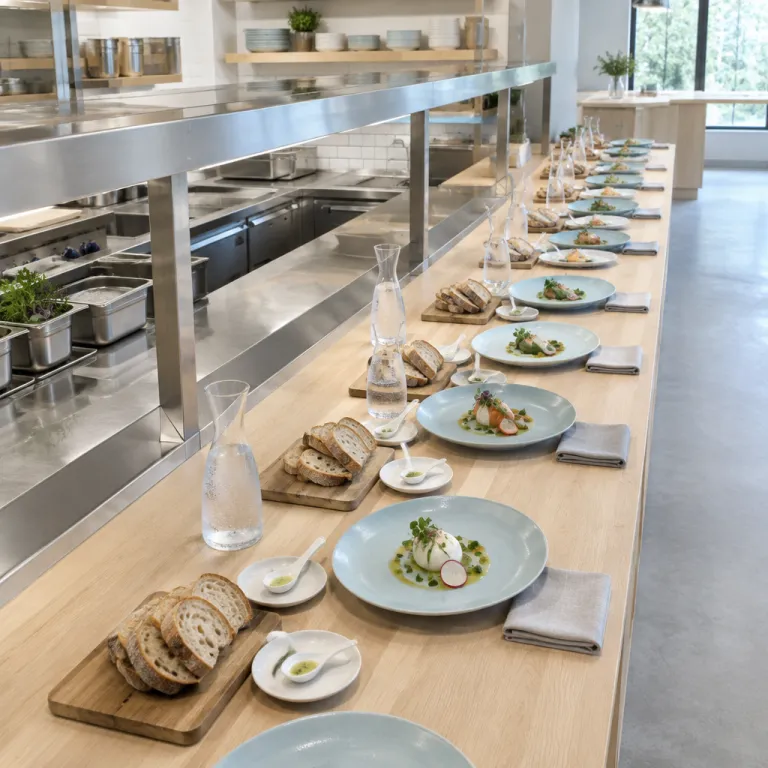
Why a luxury hotel July restaurant is the real stress test
When a luxury hotel July restaurant is running at full tilt, the pool loungers and the spa playlists tell you almost nothing about the property’s real calibre. At peak summer the dining room becomes the only honest mirror; every table filled, every room sold, every resort guest expecting the best luxury service the brand has ever promised. If you care about food, you book the hotel for the restaurant first and let the rest of the house follow.
July is when kitchen brigades in luxury hotels and larger hotel resorts face their hardest pressure, because covers spike, supply chains tighten and the smallest delay in a room service ticket can ripple across the entire dining operation. In this season, a chef cannot hide behind a soft opening or a quiet April midweek; the brigade either moves like a single well-drilled équipe or the cracks show in every plate that leaves the pass. Couples who want the best hotels for gastronomy should read the menu as closely as the spa brochure and learn how the restaurant handles both lunch and dinner when the bar is standing room only.
Industry reports from groups such as STR and CBRE consistently show that adding a strong food-and-beverage concept can lift overall hotel revenue in peak season, often by several percentage points in total RevPAR, which is why so many luxury hotels now anchor their positioning around a marquee chef and a serious wine programme. Recent analyses of full-service and resort properties in North America and Europe highlight that hotels with destination dining rooms capture more local demand and achieve higher average daily rates during July and August. This summer’s wave includes Ayra in Chapel Hill, led by Michelin-starred chef Sujan Sarkar and slated to open in mid-2024, the refreshed dining room at The Hedges Inn in East Hampton following a 2023 renovation, and Omni Hotels’ Tiki Social concept rolling out across select U.S. properties, each launching with the clear aim of turning the hotel into a dining destination. These openings are not about trend chasing; they are about proving that when the hotel opens its doors in June and the first full summer weekend hits, the kitchen will hold the line under real pressure.
Where the table is the destination: properties to book for July
For couples planning a luxury hotel July restaurant focused escape, a handful of properties have dining rooms that justify the airfare on their own. Il Pellicano on the Tuscan coast, Le Sirenuse in Positano, Eden Rock St Barths and Il San Pietro di Positano all run kitchens that stay composed when every room is occupied and every terrace table is requested at sunset. These are hotels where the second night’s dinner is as precise as the first, which is the real test of consistency when summer crowds peak.
At Il Pellicano the dining room choreography in high summer shows how a resort can balance family tables, couples seeking quiet and late-check arrivals who still expect a full tasting menu. A couple might start with raw Tyrrhenian red prawns and move to salt-baked sea bass for two, while a neighbouring table orders club sandwiches for children without slowing the pass; typical tasting menus run to six or seven courses and, depending on the season, might sit in the €180–€230 per person range before wine. Le Sirenuse leans into long Mediterranean evenings, with a bar that acts as an antechamber to the restaurant, stretching aperitivo into a slow glide toward dinner without losing pace in the kitchen; a Negroni Sbagliato at the bar flows naturally into handmade scialatielli with clams at the table, and main courses such as grilled local fish or slow-cooked lamb often fall between €45 and €70.
Eden Rock St Barths and Il San Pietro both prove that hotel resorts can run beach service, room service and fine dining simultaneously, because their brigades are built for volume without sacrificing detail. Guests at Eden Rock might eat grilled lobster on the sand at lunch and return to the same kitchen for a plated tasting menu at night, with entrées that commonly sit around $50–$80 and multi-course menus that climb higher in peak winter and summer. Il San Pietro’s team sends perfect margherita pizzas to private terraces even as the main dining room serves multi-course tasting menus that showcase Amalfi Coast produce, with wine pairings that can easily double the base menu price. If you want to understand how a destination speaks through its hotel restaurants, read the wine list and the by-the-glass selection before you book; a concise page of Etna Bianco, Campanian Falanghina or Provençal rosé tells you more than any infinity pool photo.
How to read a peak season kitchen: pacing, politics and the second night rule
A serious luxury hotel July restaurant reveals itself in the way it paces lunch versus dinner when the property is full. Lunch in high summer should feel relaxed yet precise, with the dining room able to absorb late-check guests drifting in from the pool while still turning tables for couples who want a sharper, shorter service. A well-run room might offer chilled tomato gazpacho, a simple grilled fish of the day and one or two vegetarian plates at midday, keeping the menu tight so the kitchen can move quickly without losing finesse.
Dinner, by contrast, is where the house shows its ambition, because every course, every wine pairing and every interaction with the chef’s brigade is under quiet scrutiny from guests who chose the hotel for its reputation. The second night rule is simple: never judge a hotel restaurant on a single evening in July, because any well-drilled team can stage one perfect performance. Book two consecutive dinners and see whether the kitchen remembers your preferences, adjusts pacing to your rhythm and maintains seasoning and temperature when the bar is overflowing and room service orders spike; if the second service feels as attentive as the first, you are likely in one of the best hotels for dining rather than just another resort with a pretty terrace.
Reservation politics matter too, especially in summer when every table is requested at the same hour and in-house guests expect priority. A hotel that protects seats for staying guests, manages walk-ins gracefully and still finds a way to accommodate a late arrival from a delayed flight is signalling that the restaurant and the rooms are run as a single coherent operation. As a quick checklist for peak July stays, look for four things: clear information on how many tables are held back for residents, realistic turn times between seatings, a plan for late-check arrivals who want to dine after 9 p.m., and evidence in guest reviews that the second or third dinner is as polished as the first.
From Austin to East Hampton: what this summer’s openings tell you
Across the United States this summer, hotel restaurants are being treated as the main event rather than a supporting amenity. In Chapel Hill, Michelin-starred chef Sujan Sarkar is leading Ayra, a new opening scheduled for summer 2024 that aims to pull non-resident diners into the hotel as much as it serves guests staying in the rooms, with tasting menus that might move from North Carolina oysters to tandoor-roasted lamb and desserts built around seasonal stone fruit. On the East Coast, interior designer David Netto has reworked The Hedges Inn in East Hampton, where the refreshed house and dining spaces, completed ahead of the 2023 high season, are designed so that the restaurant, bar and garden feel like a single flowing experience, allowing guests to drift from a gin and tonic on the lawn to striped bass with local corn in the dining room.
Omni Hotels is pushing the same idea from a different angle with its Tiki Social cocktail programme, created in collaboration with Jeff “Beachbum” Berry, the noted tiki historian. Signature drinks built around fresh juices and layered rums turn the bar into a destination in its own right, encouraging locals to treat the hotel as part of their regular going-out circuit; typical menus feature classics such as Mai Tais and Zombies alongside lower-ABV options, with prices that often sit in the $15–$22 range depending on the city. Together these projects show how hotel resorts are investing in culinary identities that can withstand the stress of a packed summer weekend, because a strong bar and restaurant now drive reputation as much as any spa or pool.
In Austin, the stretch around Lady Bird Lake has become a quiet test case for how a hotel Austin property can use its restaurant to compete with the city’s independent dining scene. A well-run hotel Austin address will align its dining room hours with the rhythm of runners and kayakers on Lady Bird Lake, offer a bar that works for both pre-theatre cocktails and late-night nightcaps, and still keep room service sharp for guests who prefer privacy. When you compare options, focus less on generic labels like best hotels and more on whether the house treats its restaurant as a serious player in Austin’s dining culture or just another amenity for summer tourists.
How to choose your next stay by the kitchen, not the pool
When you are scanning luxury hotels for a July escape, start by reading the restaurant pages before you look at the pool photos. A credible luxury hotel July restaurant will publish a full menu, name the chef, outline the wine programme and explain how the dining room handles both hotel guests and outside reservations. If the property is vague about its food, offers only generic “international cuisine” descriptions or hides prices, assume the kitchen is an afterthought and move on.
Look for signs that the house understands peak season stress, such as clear policies on late-check arrivals for dinner, thoughtful options for both family dining and adults-only spaces, and a bar that is positioned as more than a lobby afterthought. Hotels that talk openly about their partnerships with chefs, like the collaboration between Omni Hotels and Jeff “Beachbum” Berry for Tiki Social, tend to have stronger training, better beverage lists and more resilient service when the resort is full. Pay attention too to whether the hotel mentions any recent opening or renovation of its dining spaces, because fresh investment usually signals that management knows the restaurant is central to the guest experience and is prepared to staff and stock it properly for July.
Finally, apply a simple working test before you book: ask yourself whether you would cross town just to eat at this restaurant if you were not staying in the hotel. If the answer is yes, you are likely looking at one of the best luxury options for couples who care more about the table than the cabana, and your summer stay will feel anchored by something more substantial than a crowded pool. For a deeper framework on judging repeat worthiness, the analysis of why return worthy beats rankable every time is a useful companion when you compare hotels across different regions and seasons.
FAQ
Why is July such a tough month for hotel restaurants?
July combines maximum occupancy, heat-sensitive supply chains and guests who stay longer, which means hotel restaurants must handle more covers with less margin for error. Kitchens juggle breakfast, lunch, pool service, bar snacks, room service and full dinner while every table is requested at prime time. That intensity exposes weaknesses in staffing, training and planning much faster than quieter months.
Should I choose a hotel mainly for its restaurant when travelling as a couple?
If food and wine matter to you, choosing a hotel for its restaurant can transform the trip, because every evening becomes an experience rather than a default option. A strong dining room also signals better overall service culture, since the same standards usually carry through to housekeeping and front office. Just make sure the restaurant offers both lively spaces and quieter corners so the atmosphere fits your idea of a romantic stay.
How can I tell if a hotel restaurant will cope with peak summer crowds?
Look for clear information about reservation policies, menu structure and how the property prioritises in-house guests at busy times. Hotels that publish detailed menus, name their chef and highlight a serious wine programme are usually more prepared for high-volume service. Reviews that mention consistent quality over multiple nights in July, rather than a single standout dinner, are another strong indicator.
Do in-house guests always get priority for restaurant reservations?
Many luxury properties hold back a portion of tables for staying guests, especially at peak times, but policies vary widely. When you book your room, ask the hotel to secure dinner reservations for your key dates and times, particularly for the first and second nights. If the property cannot offer reasonable access to its own restaurant in high season, consider whether it truly values resident guests.
Are new summer openings a good bet for serious dining?
New openings can be exciting, especially when they involve recognised chefs or major renovations, but they also face the challenge of bedding in teams during a busy season. Projects like Ayra in Chapel Hill or the refreshed Hedges Inn in East Hampton show how hotels are investing heavily in food-led concepts. For a peak summer stay, look for signs of experienced leadership in the kitchen, realistic expectations about what the team can deliver in the first months and early guest feedback that mentions smooth service even on sold-out weekends.