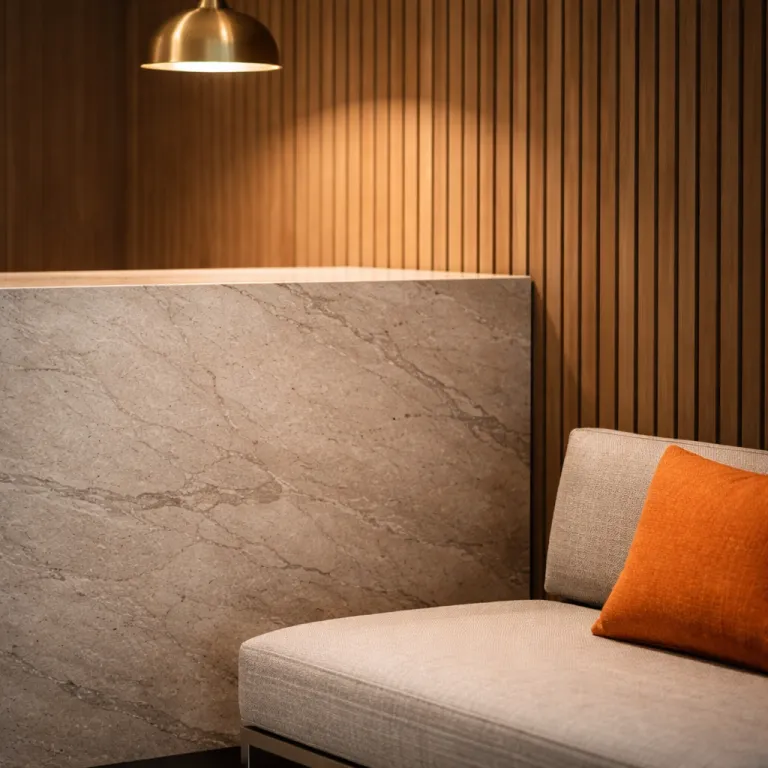
Reading a luxury hotel through its materials
The most reliable way to judge a luxury hotel is to read its materials before you read the menu. In serious hospitality design, every surface, joint and junction is part of a quiet design concept that shapes guest experience long before any comments appear online. When you walk into different hotels, the stone underfoot, the timber on the walls and the lighting above you already tell a story about service, sustainability and how you will feel in your room.
Interior designers and architects working in high end hotel design now treat materials as the primary language of hospitality, not decoration. A 2023 report from Statista on the global luxury hotels market notes that guests consistently rank comfort, durability and a sense of place among their top decision factors, and that expectation is reshaping how design hotels specify every finish. In that study, over 70% of respondents associated premium materials with perceived value and more than half linked eco friendly finishes with brand trust, which explains why, when you compare one design hotel with another, you are really comparing how honestly each property uses materials to express local culture, human connection and long term design sustainability.
For a traveler choosing between several luxury hotels, this is practical, not abstract. You can stand in a lobby and ask whether the interior design, the lighting and the materials match the geography outside the glass, or whether they feel parachuted in from a catalogue. If the hotel experience already feels generic at check in, with no trace of local culture in the hotel interior, you can safely assume the guest experience in the room will follow the same pattern and the overall hospitality experience will stay forgettable.
Biophilic design that survives winter, not just marketing
Biophilic design became a hospitality buzzword when hotels realised that guests feel calmer around plants, daylight and natural materials. In real luxury hotel material design, though, biophilic elements are not a pot plant in a corner but a full design concept that controls ventilation, light angles and how the guest moves between interior and exterior spaces. When you walk into a hotel that takes biophilic interior design seriously, you notice how the air moves, how the lighting softens at dusk and how greenery is integrated where it can actually thrive through different seasons.
Look at how different hotels handle this in practice. Some design hotels carve internal courtyards that pull daylight deep into the hotel interior, while others rely on skylights that overheat the room and make guests close the blinds, cancelling the intended guest experience. The Six Senses brand, for example, has built its reputation on biophilic principles; at Six Senses Douro Valley in Portugal, terraces, planted roofs and operable windows are arranged so that guests move through layered outdoor and indoor spaces rather than sealed corridors, creating a hospitality design rhythm that either supports human connection or leaves guests feeling detached.
True biophilic luxury is also about sustainability and supply chains. A luxury hotel that talks about nature but ships exotic timber halfway across the world is not practicing design sustainability, while a hotel that uses local stone, reclaimed wood and regional planting is aligning hotel design with local culture and long term environmental responsibility. As a guest, you can read this quickly by checking whether plants are integrated into the architecture, whether the materials age gracefully and whether the overall hotel experience feels like a living ecosystem rather than a boutique design showroom.
Stone, timber and the 15 minute walk test
Materials mirroring geography are now the clearest signal of serious luxury hotel design. In coastal hotels, volcanic stone, lava rock and basalt make sense when the surrounding cliffs share the same dark grain and the same porous texture under your hand. If you take a 15 minute walk around the hotel and see none of those materials in the landscape, yet the lobby is full of them, you are probably looking at a design concept imported for effect rather than rooted in place.
Mountain properties tell a similar story through timber. Reclaimed wood can be structural, carrying the weight of the building and the hotel experience, or purely cosmetic, nailed onto plasterboard as a decorative skin that adds no warmth to the room once the lighting changes. When you compare a restored alpine luxury hotel in Cortina d’Ampezzo with a new build in the same valley, you can often feel the difference in how the timber creaks underfoot, how the hotel interior smells and how the guest experience shifts between public spaces and private rooms.
This is where accessibility and comfort intersect with material choices. A hotel that invests in solid stone thresholds, well detailed roll in showers and non slip finishes is thinking about every guest, not just the design press, and guides such as this overview of elegant accessible hotel bathrooms show how thoughtful materials can transform daily rituals. When you read guest comments about how a room feels under bare feet, how quiet the corridor is at night and how intuitive the lighting is, you are really reading a review of the underlying materials and the hospitality design decisions that shaped them.
Light architecture as silent service
Light is the most underestimated material in any luxury hotel, even though it shapes how guests feel every minute of their stay. The best hotels treat lighting as part of the architecture, not an afterthought, so that the room reads differently at 6 a.m., 4 p.m. and 8 p.m. without the guest needing to fight with switches. When you enter a design hotel and immediately understand how to set the mood, you are experiencing hospitality design that respects both human connection and individual privacy.
Assess this before you book by studying photographs at several times of day. In serious luxury hotels, daylight is allowed to wash across natural materials, revealing grain in timber, depth in stone and subtle color shifts in textiles, while artificial lighting takes over in layers rather than a single harsh ceiling fitting. If every image of the hotel interior is shot at the same dramatic twilight hour, you may be looking at a property where the lighting design concept is more theatrical than livable and the hotel experience after check in could feel flat.
Light also tells you whether a hotel understands sustainability. Efficient fixtures, warm color temperatures and dimmable circuits reduce energy use while improving guest experience, whereas cold, over lit corridors suggest a focus on security over comfort and design sustainability. When guests expect both environmental responsibility and visual comfort from luxury hotels, the properties that choreograph lighting with the same care as service will quietly outperform those that rely on decorative fixtures and hope for the best.
Hyper local sourcing, real craft and three hotels to read
Hyper localisation in luxury hotel material design is only credible when the supply chain matches the marketing language. A hotel that claims a unique connection to local culture but sources its stone, timber and textiles from distant catalogues is offering a story, not substance, and experienced guests now read that gap quickly. When you explore behind the scenes at properties that open their ateliers and workshops, such as those profiled in this guide to authentic craft access in hotels, you see how real collaboration with material suppliers and artisans deepens human connection and guest experience.
Three contrasting hotels make this clear. An alpine property in Cortina uses reclaimed structural timber and local stone to create a hotel interior that feels inevitable, while a Maldivian resort works with coral inspired concrete, native hardwoods and open air lighting to blur the line between room and lagoon, and an Atacama desert retreat relies on adobe, rammed earth and shaded courtyards to cool guests without aggressive air conditioning. Across these hotels resorts, the common thread is a hospitality design language where every element, from check in desk to guest room terrace, aligns with climate, culture and long term sustainability rather than short term boutique design trends.
Industry data on the global luxury hotel market shows that high quality materials, from marble and hardwood to silk and velvet, remain central to perceived value, and experts note that “Marble, hardwood, silk, and velvet are popular choices.” They also emphasise that “High-quality materials enhance comfort and aesthetic appeal.” and confirm that “Yes, there's a growing trend towards eco-friendly materials.” which together explain why design hotels now balance opulence with environmental responsibility. As you choose between different hotels, ask whether the design, the materials and the lighting tell a coherent story about place and people, because when that alignment is missing, no amount of service recovery can fully repair the hotel experience.
FAQ
How do materials influence comfort in a luxury hotel room ?
Materials determine how a room feels underfoot, how it sounds and how it ages. Solid timber, quality textiles and well detailed stone reduce noise, regulate temperature and create a calm interior that supports rest. When these elements are chosen with design sustainability in mind, they also signal that the hotel values long term guest experience over short term visual impact.
What should I look for to judge real biophilic design in hotels ?
Look for natural ventilation, daylight that reaches deep into the interior and planting that is integrated into the architecture rather than scattered as decoration. Real biophilic design uses local materials, regional species and shading strategies that work year round, not just in one season. If the greenery looks temporary or the room relies on heavy blinds and constant air conditioning, the biophilic story is probably more marketing than substance.
Are sustainable materials now standard in luxury hotels ?
Eco conscious materials are becoming common in high end hospitality, but they are not yet universal. Many luxury hotels now specify certified timber, low impact stone and recycled textiles, while some go further with reclaimed structural elements and regenerative landscaping. When you research a hotel, look for clear information about sourcing, certifications and long term maintenance rather than vague sustainability claims.
How can I tell if a hotel’s design matches its location ?
Use the 15 minute walk test and compare what you see outside with what you see inside. If the colors, textures and materials in the hotel interior echo the surrounding streets, coastline or mountains, the design is likely grounded in local culture. When the property feels like a concrete and glass object that could sit anywhere, the connection to place is probably superficial.
Why does lighting matter so much in luxury hotel design ?
Lighting controls how you perceive every other material and how you move through the hotel. Thoughtful lighting design offers clear task light, soft ambient light and flexible controls so you can adapt the room from early morning to late evening without strain. Poor lighting can make even the best materials feel flat, while good lighting can elevate modest finishes into a warm, welcoming environment.