Explore the essentials of hotel signs, from design and compliance to guest experience. Learn how effective signage enhances navigation, privacy, and brand identity.
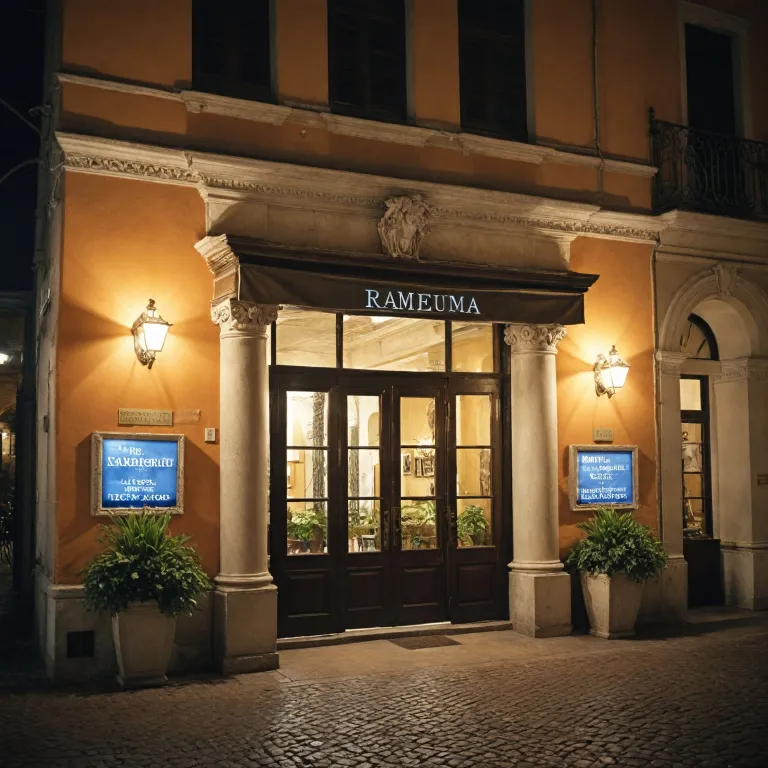
The significance of hotel signs in guest experience and regulatory compliance
Hotel signs are more than simple markers; they are integral to both guest satisfaction and regulatory compliance. Clear signage, including room signs, directional signs, and door signs, ensures guests can navigate the premises with ease. The presence of a well-designed sign at the entrance, on each hotel room door, and throughout public areas like the restroom or office, reflects the brand’s commitment to professionalism and safety. Regulatory bodies require hotels to maintain visible and accurate signage, particularly for pricing, amenities, and emergency procedures. This transparency builds trust and reassures guests that their needs and safety are prioritized. Signage products such as acrylic, wood, and stainless steel options allow hotels to match their interior design while maintaining compliance. Wall mounted signs and sign holders provide flexibility for both temporary and permanent information displays. The integration of clear, accessible signs, including ADA-compliant options, supports inclusivity and enhances the overall guest experience. When guests encounter a well-placed number sign or a clear directional sign, their journey from the lobby to their room becomes seamless. According to a recent survey, 85% of travelers consider clear signage important when booking accommodations. This underlines the direct impact that hotel signs have on guest satisfaction and the likelihood of repeat bookings. Hotels that invest in quality signage products, from door hangers to wall mounted signs, not only comply with industry standards but also elevate their reputation in a competitive market.Designing effective hotel signage: materials, aesthetics, and functional considerations
The design of hotel signs must balance aesthetics, durability, and function. Acrylic signs offer a modern, clear appearance that complements contemporary hotel interiors, while wood signs provide a warm, inviting touch suitable for classic or rustic themes. Stainless steel options are favored for their longevity and sleek look, often used for room number signs and directional signs. The choice of materials impacts not only the visual appeal but also the longevity and maintenance of the signage. Signage must be legible from a distance, with appropriate font size and contrast to ensure visibility in various lighting conditions. Door signs and door hangers, such as the classic “do not disturb sign,” require sturdy construction to withstand frequent handling. The design process should also consider the placement of signs, ensuring that directional signs and room door numbers are positioned logically to guide guests efficiently. Wall mounted sign holders allow for easy updates, especially in areas where information changes frequently, such as conference rooms or event spaces. ADA-compliant signs are essential for accessibility, featuring tactile elements and Braille to assist guests with visual impairments. Hotels should also evaluate the integration of digital signage products, which offer dynamic content and real-time updates for guests. When selecting signage, it is important to compare pricing and order options from reputable suppliers, ensuring that the products meet both aesthetic and regulatory requirements. For those interested in exploring a wide range of signage solutions, the hotel sign collection provides comprehensive options tailored to various needs. Ultimately, thoughtful design and material selection contribute to a cohesive brand image and an enhanced guest experience.Room signs and door hangers: optimizing privacy, communication, and service
Room signs and door hangers play a pivotal role in guest privacy and communication. The iconic "do not disturb sign" is a staple on every hotel room door, signaling to staff and other guests the occupant’s need for privacy. Door hangers also serve as effective tools for communicating service requests, such as room cleaning or maintenance needs. The design of these signs should prioritize clarity, durability, and ease of use. Acrylic and wood door hangers are popular for their resilience and ability to showcase the hotel’s brand through custom design. Stainless steel options provide a premium feel and are less prone to wear over time. Hotels must ensure that room signs and door hangers are consistently available and in good condition, as damaged or missing signage can lead to confusion and diminished guest satisfaction. Room number signs should be clearly visible, both day and night, to facilitate easy navigation and enhance security. The integration of wall mounted sign holders near the room door allows for the display of temporary messages or promotions. For guests with accessibility needs, ADA-compliant room signs and directional signs are essential, featuring tactile and Braille elements. Hotels can streamline the process of updating or replacing signage by establishing relationships with reliable suppliers who offer a variety of products and pricing options. For those seeking to buy hotel signs online, it is advisable to review customer service ratings and product specifications before placing an order. By investing in quality room signs and door hangers, hotels demonstrate their commitment to guest comfort and operational excellence.Directional signs and wayfinding: ensuring seamless navigation throughout the hotel
Directional signs are crucial for guiding guests through the hotel’s various spaces, from the lobby to guest rooms, restrooms, and amenities. Effective wayfinding reduces confusion and enhances the overall guest experience, especially in larger properties with multiple floors or wings. Signs should be strategically placed at key decision points, such as elevators, stairwells, and corridor intersections. The use of clear, concise language and universally recognized symbols ensures that all guests, regardless of language proficiency, can navigate the premises with confidence. Wall mounted directional signs, available in acrylic, wood, or stainless steel, offer durability and visual consistency. Hotels should also consider the integration of digital signage for real-time updates on events, room availability, or emergency information. ADA-compliant directional signs are mandatory in many jurisdictions, supporting guests with disabilities and ensuring regulatory compliance. The design of directional signs should align with the hotel’s overall branding, using consistent colors, fonts, and logos. Pricing for directional signage varies based on materials, size, and customization options, so it is important to compare products and order from reputable suppliers. For those interested in advanced wayfinding solutions, exploring innovative signage options can provide valuable insights. Regular audits of signage placement and condition are recommended to maintain effectiveness and compliance. By prioritizing clear and accessible wayfinding, hotels can significantly improve guest satisfaction and operational efficiency.Pricing transparency and regulatory standards: the role of signage in compliance
Transparency in pricing and services is a cornerstone of trust between hotels and their guests. Regulatory bodies require hotels to display clear signage regarding rates, amenities, and policies to protect consumer rights and ensure fair business practices. “Hotel signage should include clear information about room rates, amenities, safety procedures, and emergency exits.” This quote underscores the importance of comprehensive signage in meeting both guest expectations and legal requirements. Many jurisdictions mandate that hotels publicly display their rates, often at the reception or entrance, to prevent misunderstandings and disputes. Signage products such as acrylic or stainless steel rate boards offer a professional and durable solution for displaying this information. Wall mounted sign holders allow for easy updates to pricing and policy information as needed. Hotels should also provide clear signage for amenities such as restrooms, offices, and meeting rooms, ensuring guests are aware of available services. ADA-compliant signs are essential for communicating important information to all guests, including those with disabilities. The process of ordering and installing compliant signage involves collaboration with suppliers who understand regulatory standards and can provide guidance on design and placement. Pricing for signage varies based on materials, customization, and quantity, so it is advisable to request detailed quotes and compare options before making a purchase. By maintaining transparent and accurate signage, hotels not only comply with regulations but also foster a positive reputation and enhance customer service.Custom signage solutions: enhancing brand identity and guest engagement
Custom signage allows hotels to reinforce their brand identity while meeting functional and regulatory needs. The design of custom signs, including room number signs, door signs, and directional signs, should reflect the hotel’s unique style and values. Acrylic, wood, and stainless steel materials offer versatile options for creating distinctive signage that complements the property’s décor. Custom door hangers and sign holders can feature the hotel’s logo, colors, and messaging, creating a cohesive and memorable guest experience. The process of designing and ordering custom signage involves collaboration with experienced suppliers who can provide guidance on materials, pricing, and installation. Hotels should consider the long-term value of investing in high-quality, durable products that require minimal maintenance. Digital signage solutions offer additional opportunities for customization, enabling hotels to display dynamic content such as event schedules, promotions, or real-time updates. When evaluating custom signage options, it is important to balance aesthetics with functionality, ensuring that all signs are legible, accessible, and compliant with industry standards. “Are hotels required to display their rates publicly? Yes, many jurisdictions require hotels to display their rates publicly to ensure transparency and protect consumers.” This regulatory requirement should be integrated into the design of custom signage, particularly for rate boards and policy displays. By investing in tailored signage solutions, hotels can differentiate themselves in a competitive market and enhance guest engagement through thoughtful design and communication.Ordering, installation, and maintenance: best practices for hotel signage management
The process of ordering, installing, and maintaining hotel signs requires careful planning and attention to detail. Hotels should begin by conducting a comprehensive audit of existing signage, identifying areas for improvement or replacement. When selecting products, it is important to consider factors such as material durability, design compatibility, and pricing. Establishing relationships with reputable suppliers ensures access to a wide range of options, including acrylic, wood, and stainless steel signs, as well as ADA-compliant and digital signage solutions. The installation process should be managed by experienced professionals to ensure proper placement and compliance with regulatory standards. Wall mounted signs and sign holders offer flexibility for updating information as needed, while door hangers and room signs should be regularly inspected for wear and tear. Ongoing maintenance is essential to preserve the appearance and functionality of signage, with routine cleaning and prompt replacement of damaged products. “How can guests report issues with hotel signage? Guests can report issues directly to hotel management or contact local consumer protection agencies if concerns are not addressed.” This feedback mechanism supports continuous improvement and ensures that signage remains effective and compliant. Hotels should also provide training for staff on the importance of signage, customer service protocols, and regulatory requirements. By adopting best practices in signage management, hotels can enhance operational efficiency, support guest satisfaction, and maintain a positive brand image.Key statistics on hotel signs and guest experience
- There are 54,000 hotel establishments in the United States.
- The average daily rate for U.S. hotels is 150 USD.
- 85% of travelers consider clear signage important when booking accommodations.
Frequently asked questions about hotel signs
What information should be included on hotel signage?
Hotel signage should include clear information about room rates, amenities, safety procedures, and emergency exits. This ensures guests have access to essential details for a safe and comfortable stay.
Are hotels required to display their rates publicly?
Yes, many jurisdictions require hotels to display their rates publicly to ensure transparency and protect consumers. This practice helps guests make informed decisions and fosters trust in the hospitality industry.
How can guests report issues with hotel signage?
Guests can report issues directly to hotel management or contact local consumer protection agencies if concerns are not addressed. Prompt reporting helps maintain high standards of service and compliance.