From decorated walls to living heritage in daily life
Most travelers now expect a hotel to reference local culture somewhere. The lobby might showcase hand-carved panels, while guest rooms feature hand-painted ceramics that gesture politely toward heritage. Yet there is a sharp difference between hotels that simply frame culture on the wall and those that treat living cultural heritage as part of their own daily life and long-term responsibility.
In the first case, craft is often sourced like any other décor, sometimes mass-produced in distant factories that only imitate local cultural motifs. In the second, the hotel becomes a patron that commissions artisans directly, pays fairly for each hand-finished piece and folds that work into the architecture and design of its spaces. This shift from styling to stewardship is where a hotel living heritage craft philosophy starts to feel genuinely transformative for guests and for the people who keep the craft traditions alive.
For a solo explorer choosing between hotels in a dense city or on a remote island, this distinction matters more than any curated experience menu. A property that treats cultural heritage as a living culture rather than a marketing asset will usually invite guests into working studios, not just into themed lounges. That kind of stay gives you a sense of place that lingers long after check-out and quietly supports the future of both artisans and their living craft traditions.
How real patronage works behind the scenes
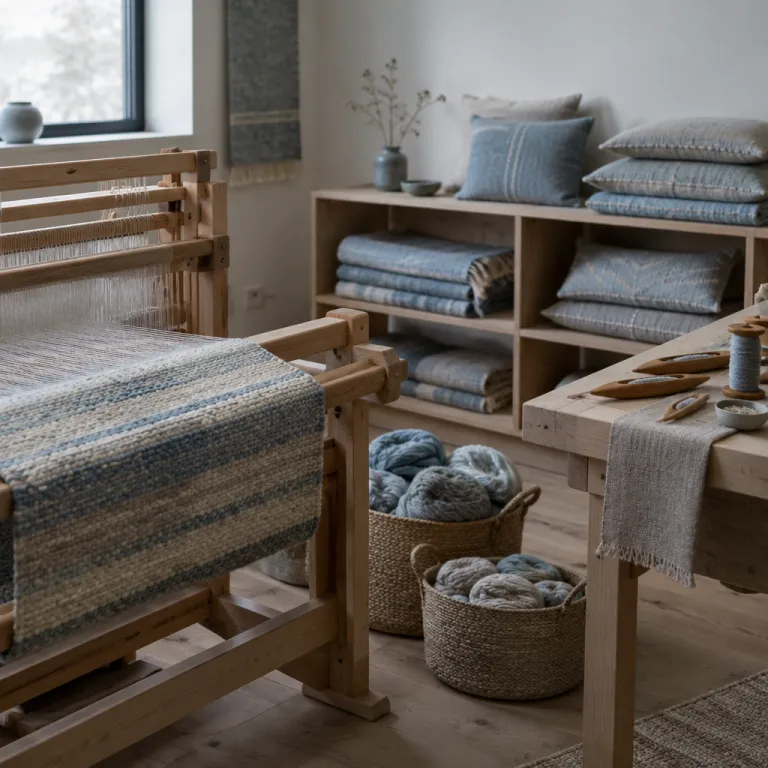
When a hotel takes patronage seriously, the relationship with artisans becomes part of its operational backbone. Management commits to creating spaces where craftspeople can work on site, from a small wood workshop off the courtyard to a textile studio overlooking the city skyline. These are not staged corners for photographs; they are production spaces where locally sourced materials are transformed by hand into objects that shape the guest experience.
Some properties in historic quarters near UNESCO World Heritage districts now retain resident artisans on monthly contracts, commissioning hand-carved doors, hand-painted tiles and custom lighting that reflect both local culture and contemporary architectural lines. At the Oberoi Amarvilas in Agra, for instance, local stone carvers and inlay artists continue techniques associated with Mughal architecture, while at Capella Ubud in Bali, tented suites incorporate handwoven textiles and carved timber produced by nearby village workshops. Others fund apprenticeships so younger makers can learn endangered techniques, ensuring that living heritage does not end when the last master retires. For a traveler, watching this process turns an abstract idea of cultural heritage into something you can see, hear and almost feel under your fingertips.
Economic commitment is the real test, because a hotel that only buys a one-off collection of crafts is not sustaining a living culture over time. Long-term orders for textiles, ceramics or carved wood details keep workshops open through slow seasons and give artisans confidence to train new hands. A 2020 report by the World Crafts Council and UNESCO noted that stable institutional buyers, including hotels and resorts, can increase artisan household income by 20–30% compared with irregular tourist sales. If you are interested in how hospitality can shape creative economies, the broader conversation about place, property and narrative explored in this analysis of hotel, music and meaning offers a useful parallel for understanding how spaces can carry cultural weight.
Reading the room: signals of genuine cultural stewardship
As a solo traveler, you rarely see the contracts, but you can read the clues. Start with materials; a hotel that talks about natural materials and locally sourced stone, clay or timber should be able to name the workshops and regions behind them. When staff can explain which island weaving cooperative produced the textiles or which city metalworkers forged the lamps, you are likely looking at a hotel living heritage craft story rather than a generic design scheme.
Walk slowly through the public spaces and notice whether repeated motifs feel slightly irregular, as they would when carved or painted by hand. Identical patterns across dozens of rooms often signal mass-produced imports, even when the style imitates local cultural forms. By contrast, a corridor where each hand-carved panel varies subtly or each hand-painted plate shows a different flourish suggests real artisans at work and a hotel willing to embrace the small imperfections of living culture.
Conversation is another reliable test, especially for someone traveling alone who can take time to explore. Ask how the hotel supports experiential heritage beyond offering a cultural tour or a short workshop for guests. If the team speaks confidently about long-standing relationships with artisans, about contemporary architectural projects that integrate craft elements and about creating spaces where guests can watch work in progress, you are probably in a property that treats cultural heritage as a shared responsibility.
The solo explorer’s stay: from curated activities to lived experience
For independent travelers, the most meaningful stays rarely come from a packed schedule of activities. They emerge from quiet moments when you notice how a hotel’s architecture frames the street, how its design choices echo local culture and how its spaces invite you to explore at your own pace. A property that treats living heritage as part of its own identity will often give you these moments without fanfare, simply by letting daily life unfold around you.
Instead of a long list of excursions, you might find a small map hand-drawn by an in-house artist, pointing you toward family-run workshops in the nearby city district. On an island, the same hotel could arrange a slow walk with a gardener who explains which plants supply natural materials for dyes used by local artisans. These experiences feel less like a performance for guests and more like an invitation into the rhythms of living culture that surround the hotel.
For a deeper dive into how properties can shape narratives and expectations, the essay on how hotels influence other luxury worlds offers a useful lens. Apply that thinking to your own stay and ask whether the hotel is simply borrowing the language of cultural heritage or genuinely helping experiential heritage survive. When the answer feels convincing, you are usually in a place where craft is not a backdrop but a shared project between hosts, artisans and guests.
The long game: when a hotel becomes the last commercial patron
In some regions, a single hotel now represents the final steady client for a particular craft. A coastal property might be the only one still ordering hand-carved boat models from aging wood artisans, while a mountain retreat commissions the last hand-painted altar cloths from a nearby village. This concentration of demand creates both opportunity and risk for living heritage and for the communities that carry it.
On the positive side, committed hotels can stabilize income for artisans, fund apprenticeships and integrate traditional techniques into contemporary architectural projects that speak to younger travelers. They can use their purchasing power to resist mass-produced décor, insisting instead on locally sourced work that reflects local cultural narratives and a strong sense of place. Over time, this kind of patronage can turn hotels into quiet anchors of cultural heritage, supporting daily life in workshops that might otherwise close.
The risk appears when a change in ownership or design direction suddenly ends those orders, leaving craftspeople without a market and a living culture without its last commercial lifeline. As a guest, you cannot control these decisions, but you can reward properties that communicate transparently about their commitments and treat artisans as partners rather than suppliers. Choosing such hotels, whether in dense cities or on remote islands, helps ensure that hotel living heritage craft remains a shared, sustainable project rather than a passing design trend.
FAQ
How can I tell if a hotel truly supports local artisans ?
Ask specific questions about who made the hand-carved wood, the hand-painted ceramics and the textiles you see in public spaces and rooms. A serious hotel will name workshops, explain how often they commission new work and describe how these relationships fit into their broader cultural heritage commitments. Look for signs of locally sourced natural materials and small variations that indicate work done by hand rather than mass-produced décor.
Does choosing a heritage focused hotel really impact local culture ?
Your stay can have a direct effect when a property uses guest revenue to commission ongoing craft projects and fund apprenticeships. Regular orders from hotels help artisans maintain studios, train younger makers and keep living heritage embedded in daily life rather than confined to museums. Over time, this support can strengthen both local cultural identity and the economic resilience of craft communities.
Are design led hotels always better for cultural immersion ?
Strong design alone does not guarantee meaningful cultural engagement, because some hotels use global styles with only superficial local references. What matters is how architecture, interiors and public spaces integrate local culture, natural materials and work by artisans who are fairly paid. A property that treats contemporary architectural elements and traditional craft as equal partners usually offers a richer experiential heritage than one that simply follows trends.
What questions should a solo traveler ask before booking ?
Before you reserve, ask whether the hotel works with named artisans, uses locally sourced materials and maintains long-term craft partnerships. You can also inquire about opportunities to explore studios, attend small demonstrations or learn how specific pieces were made. Clear, confident answers suggest that hotel living heritage craft is part of the property’s core identity rather than a decorative afterthought.
Can larger hotels support living heritage as effectively as smaller ones ?
Scale does not automatically determine cultural impact, because both intimate properties and larger hotels can act as serious patrons. Bigger operations may have more resources to commission contemporary architectural projects and large craft installations, while smaller places can offer closer contact with artisans and more flexible creative spaces. In both cases, the key is a long-term commitment to living culture, fair payment and transparent collaboration with local communities.