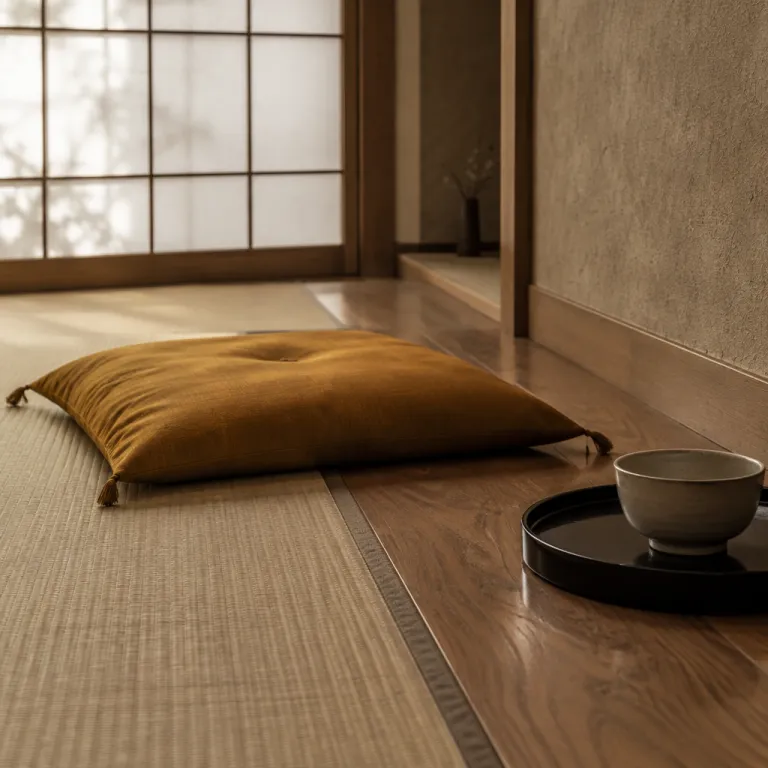
Choosing a Gion hotel in the heart of Kyoto’s old quarter
Staying in a Gion hotel places you inside Kyoto’s most atmospheric district. This historic neighborhood wraps around Yasaka Shrine and Kennin-ji Temple, giving any hotel stay an immediate sense of place and a deep connection to Kyoto, Japan. If you want to feel traditional Japanese culture from the moment you step out of your room, a carefully chosen hotel in Gion will serve you very well.
The location of your Gion hotel matters as much as the design of its rooms. Properties close to Hanamikoji Street or the Shirakawa canal in Kyoto Gion offer short walking times to teahouses, shrines, and the Kamo River, which makes every stay focused on slow exploration rather than long commutes. When you compare hotels, look for clear maps that show the exact location in Kyoto and check how long it will take you on foot to reach the main temple complexes and bus or subway stops during your time in the city.
Many travelers ask whether a hotel in the heart of the Gion area is noisy or calm. Streets lined with wooden machiya houses can be busy in the early evening, yet most hotels use double glazing and efficient air conditioning so that your room remains quiet and cool even when the air outside feels heavy. If you are sensitive to sound, choose rooms that face inner courtyards rather than the main Gion district lanes, and confirm this preference with the hospitality team before your stay.
Historical character and the construction period of Gion hotels
One of the main reasons to book a Gion hotel is the sense of history embedded in the walls. Many hotels here occupy former merchant houses whose original construction period stretches back several generations, while others are new builds that carefully echo traditional Japanese lines. When you evaluate a hotel, read how it describes its construction period and renovation phases, because this will shape both the atmosphere of the rooms and the level of modern comfort you will experience.
Some travelers prefer a hotel where the construction period is recent, with concrete structures that allow for stronger soundproofing, larger rooms, and highly efficient air conditioning systems. Others seek hotels that preserve old beams and tatami layouts, accepting slightly smaller room sizes in exchange for a stronger sense of Kyoto heritage during every stay. For a deeper understanding of how historic buildings become refined places to sleep, it can be helpful to look at international examples of village conversions, such as the Italian transformations discussed in this article on when a borgo becomes a hotel, then compare those ideas with what you see in each Gion hotel description.
In Gion, some hotels clearly separate old and new wings, which allows you to choose between more traditional Japanese rooms and contemporary rooms with Western beds. When you book, check whether the hotel explains which rooms sit in the original construction period section and which are in the newer extension, because this affects light, insulation, and sometimes ceiling height as well. A transparent approach to history and structure is usually a sign of strong hospitality standards and respect for guests’ expectations.
Inside the room: comfort, air conditioning, and thoughtful amenities
Once you have chosen a Gion hotel, the next question is what your room will actually feel like after a long day among Kyoto temples. In Kyoto, summers can be humid and winters can be crisp, so reliable air conditioning and heating are essential for a restful stay. When you read descriptions of rooms, look for clear mentions of individual air conditioning controls, window ventilation, and whether the air filters are maintained well, because this directly affects sleep quality and overall leisure time.
Modern hotels in the Gion district usually equip each room with an electric kettle for tea, a safety deposit box or in-room deposit box for valuables, and a bathroom that often includes a bidet toilet with washing functions. These room services may sound standard, yet in practice the quality of the electric kettle, the size of the safety deposit box, and the water pressure at the bidet toilet can vary significantly between hotels, so detailed photos and guest reviews are worth your time. When you travel with laptops or cameras, confirm that the deposit box is large enough for your devices, and ask the hotel whether rooms on higher floors have better air circulation and quieter air conditioning units.
Historic hotels sometimes balance tatami rooms with Western-style rooms, and both types can be comfortable when designed with care. Tatami rooms often feel more spacious for sitting and relaxing, while Western rooms may provide thicker mattresses and more familiar furniture for guests from outside Japan. In either case, well-planned lighting, effective air conditioning, and intuitive room services such as clear switches and labeled controls will make your stay in any Gion hotel smoother and more relaxing.
Services, luggage storage, and practical details that shape your stay
Beyond the room itself, the services offered by a Gion hotel will strongly influence how you experience Kyoto. Many travelers arrive before check-in or leave after check-out, so reliable luggage storage allows you to enjoy more leisure time in the Gion district without carrying bags between each temple and café. When you compare hotels, verify whether luggage storage is complimentary, how long the hotel will keep your bags, and whether the storage area is supervised or linked to a safety deposit system.
Room services in Kyoto hotels often include laundry machines, vending areas, and sometimes small libraries with guidebooks about Japan and local history. These services may seem minor, yet they can save you time by reducing errands and helping you plan temple visits or restaurant reservations directly from the hotel lounge. If you are planning a longer stay, ask whether the hotel offers discounted multi-night rates, late check-out options, or flexible housekeeping schedules, because such hospitality details can make a Gion hotel feel more like a temporary home.
Some travelers also want to know whether pets allowed policies exist in their chosen hotel, especially when they have small dogs or service animals. In the Gion district, many traditional properties do not have pets allowed options, while a few modern hotels may accept animals in specific rooms with clear rules about cleaning and shared spaces. Always confirm pets allowed conditions directly with the hotel, and request written confirmation, because this protects both your booking and the well-being of other guests who may have allergies.
Celestine Kyoto Gion and other heritage focused stays
Among the hotels in Kyoto Gion, Celestine Kyoto Gion stands out for travelers who want a refined balance between history and comfort. The Celestine Kyoto property sits close to Kennin-ji Temple, which means that from this hotel Celestine you can walk to major shrines while still enjoying a calm backstreet setting in the heart of the Gion area. Rooms at Celestine Kyoto Gion typically combine warm Japanese materials with modern amenities such as efficient air conditioning, a well-designed bidet toilet, and an electric kettle for preparing green tea after a day of sightseeing.
When you evaluate Celestine Kyoto Gion against other Gion hotels, consider how each hotel describes its approach to hospitality and heritage. Some hotels focus on minimalist Japanese interiors, while others, including Hotel Celestine, emphasize soft lighting, deep baths, and public spaces that encourage slow leisure time with views toward temple roofs or inner gardens. For travelers who appreciate art and curated spaces, it can be useful to compare this Kyoto experience with international examples of art-driven stays, such as the properties highlighted in this feature on artful urban retreats in Dallas, then decide which style best matches your expectations for a Gion hotel.
Celestine Kyoto Gion is not the only option, yet it illustrates how a hotel in Japan can respect local history while offering contemporary comforts like strong air conditioning, secure deposit box storage, and attentive room services. When you compare Celestine Kyoto with other hotels, pay attention to room size, window orientation, and whether the hotel will guarantee non-smoking floors, because these details influence how rested you feel each morning. A well-chosen Gion hotel, whether it is Celestine Kyoto or another carefully managed property, will allow you to step from quiet corridors directly into streets where the past of Kyoto still feels close.
How a Gion hotel frames your experience of Kyoto’s temples and streets
Choosing a Gion hotel is not only about the building; it is about how each day in Kyoto will unfold from your doorstep. When you stay in the Gion district, you can reach major temple sites such as Kiyomizu-dera, Chion-in, and Yasaka Shrine on foot, which means your time in Kyoto is spent walking through narrow lanes rather than sitting on buses. This proximity allows you to visit temples early in the morning or late in the evening, when the air is cooler and the crowds are thinner, turning simple walks into some of the most memorable parts of your stay.
Hotels in Kyoto Gion often provide maps that highlight lesser-known shrines, small galleries, and family-run restaurants, which helps you use your leisure time more thoughtfully. A good hotel will also brief you on local etiquette, such as where photography is restricted and how to behave respectfully near teahouses where geiko and maiko work, reinforcing the sense that hospitality extends beyond the hotel lobby into the surrounding streets. When you evaluate different hotels, look for signs that the staff engage with the community, because this usually leads to better recommendations and a more nuanced understanding of Kyoto.
Historic hotels sometimes organize short walking tours that explain the construction period of nearby machiya houses and the evolution of the Gion district over time. Even if your chosen Gion hotel does not offer formal tours, the front desk can often suggest routes that link several temple sites with quieter residential streets, allowing you to experience both the famous and the everyday sides of Japan. In this way, the right hotel becomes a lens through which you see the city, not just a place to sleep between excursions.
Evaluating value, frequently asked questions, and what to expect from service
When travelers compare Gion hotels, they often focus on price per night without fully weighing what is included. A slightly higher rate at a Gion hotel that offers generous room services, reliable air conditioning, and secure luggage storage can represent better value than a cheaper option with limited hospitality and no safety deposit facilities. Think about how much time you plan to spend in your room, and whether amenities such as an in-room deposit box, a comfortable electric kettle setup, and a well-designed bidet toilet will genuinely improve your stay.
Among the most frequently asked questions, travelers want to know whether pets allowed policies exist, how early they can check in, and whether the hotel will store luggage before the room is ready. Others ask about the construction period of the building, wondering whether older structures feel cold in winter or too warm in summer, and how effective the air conditioning systems are in practice. Reputable hotels in Kyoto answer these frequently asked questions clearly on their websites or during email exchanges, which signals a transparent approach to hospitality and respect for international guests.
Another frequent concern is safety, especially for solo travelers exploring the Gion district at night. Look for hotels that provide clear information about room locks, corridor lighting, and the presence of a staffed front desk, as well as in-room safety deposit boxes for passports and valuables. For deeper context on why some historic hotels feel genuinely welcoming while others feel staged, you may find it useful to read analyses such as this piece on heritage stays that truly breathe, then apply those insights when choosing your own Gion hotel in Kyoto.
Key figures about Kyoto, Gion, and hotel stays
- Kyoto receives tens of millions of visitors in a typical year according to data from the Kyoto City Tourism Association, so early booking for any Gion hotel is strongly recommended during peak seasons.
- Gion and the surrounding Higashiyama area contain hundreds of temples and shrines, so choosing a hotel in the Gion district can reduce daily transport time and costs significantly for culture-focused travelers.
- Surveys by the Japan National Tourism Organization (JNTO) show that many international visitors to Kyoto cite traditional streetscapes and historic hotels as a primary reason for their trip, highlighting the importance of location and heritage when selecting accommodation.
- Average summer temperatures in Kyoto often exceed 30 degrees Celsius with high humidity, which makes reliable in-room air conditioning a critical factor when evaluating any hotel in Kyoto Gion.
- Guest review data on major booking platforms consistently show that properties offering free luggage storage and in-room safety deposit boxes receive higher satisfaction scores, underlining the value of these practical services for short and long stays alike.
Frequently asked questions about staying in a Gion hotel
Is Gion a good location for first time visitors to Kyoto ?
Gion is an excellent location for first time visitors because it sits close to major temples, the Kamo River, and central transport links. From most Gion hotels you can walk to key sights in 10 to 20 minutes, which reduces time spent on buses. The area also offers a wide range of restaurants, from casual noodle shops to refined kaiseki dining.
What room amenities should I expect in a quality Gion hotel ?
In a well managed Gion hotel, you can usually expect efficient air conditioning, an electric kettle, a safety deposit box, and a modern bathroom, often with a bidet toilet. Many hotels also provide pajamas, slippers, and high quality toiletries, reflecting Japanese attention to bathing rituals. Before booking, check whether your chosen room includes these amenities and whether daily housekeeping is standard or optional.
Are pets allowed in Gion hotels ?
Only a small number of Gion hotels accept pets, and policies vary widely between properties. Traditional wooden buildings often do not allow animals because of noise and maintenance concerns, while some modern hotels may accept small dogs in designated rooms. Always confirm pets allowed conditions directly with the hotel and obtain written confirmation before you travel.
How far in advance should I book a Gion hotel ?
For popular seasons such as cherry blossom and autumn foliage, booking a Gion hotel several months in advance is advisable. During quieter periods, you may find availability closer to your travel dates, but the best located hotels still fill quickly. Early booking also gives you more choice of room types and views.
Is it better to stay in a traditional or modern style Gion hotel ?
The choice between traditional and modern style depends on your comfort preferences and mobility. Traditional Japanese rooms with tatami and futons offer strong local character but may involve more floor level sitting and sleeping, while modern rooms provide familiar beds and furniture. Many travelers choose hotels that offer both styles, allowing them to balance cultural immersion with physical comfort during their stay in Kyoto.