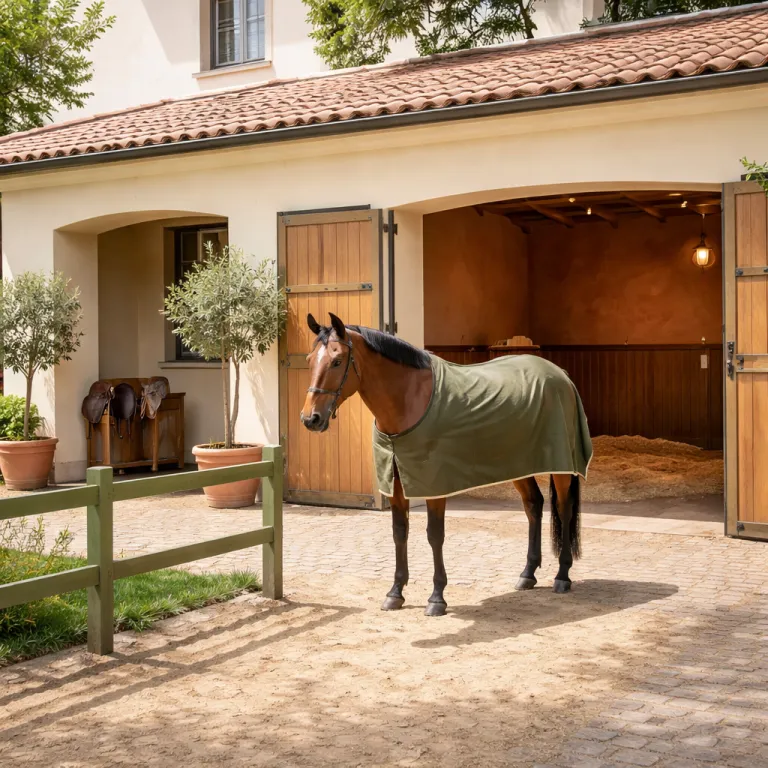
What horse hotels really offer to the traveling equestrian
Horse hotels are purpose built properties where a horse can rest safely during a long journey. These places provide structured overnight accommodations for traveling horses while also giving owners practical comforts that feel close to a traditional hotel or roadside motel stay. A well managed horse motel, ranch stay, or farm based stop reduces stress for both horse and rider, especially when the facilities are designed around modern equine travel needs and follow guidance from groups such as the American Association of Equine Practitioners (AAEP).
Across the USA there are hundreds of overnight horse boarding options, often located near major highways, show grounds, or trail hubs, and they range from simple farm stays to full service ranch complexes with extensive stalls and turnout. A typical listing on a specialist directory or equestrian travel platform will highlight the number of stalls, paddocks, and any electric hookup points for trailers, along with clear maps and driving minutes from the nearest interstate. When you view each site carefully before booking, using tools like Google Maps satellite view and street view, you can match the level of horse boarding to your horse’s temperament, your route, and your own overnight expectations.
These properties operate as a hybrid between a hotel and a horsemotel, because they must serve both people and animals with equal care. Some locations function more like classic motels, where you park horse trailers close to the barn and walk only a few minutes between your room and the stalls, while others are working farms or performance horse ranches that open a few stalls to travelers. Whatever the format, the best horse motels maintain strong relationships with local veterinarians and farriers, which gives traveling equestrian guests extra reassurance during an unexpected issue with traveling horses and aligns with AAEP recommendations on emergency support.
How to evaluate location, access, and safety before you book
When you choose between horse hotels, start with the exact location and your route rather than the prettiest photos. Use Google Maps or another mapping service to calculate minutes from the highway exit to the farm or ranch, because long detours at night can unsettle both horse and driver. A clear view of the access road on satellite maps will show whether large rigs can turn, where you can park horse trailers, and how close the motel style rooms sit to the barn and turnout areas.
Most reputable horse motel owners maintain an updated website or listing on a directory or traveling equestrian platform, where you can check whether the property is located near show venues, trailheads, or veterinary clinics. On these sites you should always find a direct contact phone number or email, so you can confirm stalls, turnout, and any electric hookup for your living quarters trailer before you travel. If the site allows you to add listing reviews, read comments from other traveling equestrian guests who stayed overnight with performance horses or young stock, because their feedback often reveals how staff handle stress, noise, and late arrivals.
Safety checks go beyond the marketing content owners publish on their website or social channels. Before you commit, ask the hotel, ranch, or horsemotel to send recent photos or short videos of stalls, fencing, and footing, and compare them with the images on Google Maps street view to ensure the facilities match your expectations. For travelers who need accessible human accommodations alongside secure barns, it can be helpful to review general guidance on accessible hotel bathroom design from motels and hotels, then confirm whether nearby properties meet those same standards and are located within a few minutes of the barn.
Essential facilities every refined horse hotel should provide
A serious horse owner expects more than a basic stall when booking horse hotels for a demanding competition schedule. At minimum, each horse motel or ranch stay should offer secure stalls with safe doors and hardware, clean water, and appropriate bedding suited to the local climate. Many traveling equestrian guests also look for small paddocks where traveling horses can stretch after hours in the trailer, because controlled movement reduces stiffness and colic risk according to several university extension programmes.
When you review a listing on a specialist site, check whether the property is described as a working farm, a private ranch, or a roadside motel with attached barns, since each format shapes the atmosphere and level of service. Working farms may have more varied turnout and natural footing, while motel style properties often focus on neat rows of stalls, easy trailer access, and clear signage that helps you locate horse barns quickly after dark. Some of the best horse motels state clearly whether they provide feed and hay or expect you to bring your own, and whether there is an electric hookup at each parking bay so you can run fans or living quarters systems safely without overloading circuits.
Thoughtful facilities extend to people as well as horses, especially when you are managing performance horses on a tight schedule. Look for overnight accommodations where you can stay on the same site as your horse, either in a small hotel wing, a simple motel room, or your own trailer parked with permission and hookups. If human rooms are off site, confirm that the nearest hotel or motel is only a few minutes away, because frequent checks on traveling horses during the night will give you peace of mind and allow you to respond quickly to any problem such as colic or shipping fever.
Booking strategies, pricing, and using online directories wisely
Booking horse hotels has become easier with modern online platforms, but careful planning still matters for every long haul trip. Many properties now use a dedicated website or integrate with broader hotel style booking tools, where you can filter by state, location, number of stalls, and whether the property welcomes stallions or only mares and geldings. These systems often show real time overnight availability, which helps a traveling equestrian avoid last minute stress when hauling performance horses across several states and time zones.
When you browse a directory or traveling equestrian service, pay attention to how each listing is structured and whether the content owners provide is detailed or vague. A strong listing will include clear photos with descriptive alt text, a map link that opens directly in Google Maps, driving minutes from major junctions, and transparent pricing for horse boarding and human overnight accommodations. Some platforms allow property owners to add listing updates about new facilities, such as extra stalls, improved footing, or upgraded electric hookup points for large rigs, which can significantly improve your stay and should be highlighted in the site description.
Prices for a horse motel stall in the USA often sit in the same range as a modest human motel room, with variations based on region, demand, and the level of service. In many rural areas, typical overnight stall fees run from roughly $30 to $75 per horse, while premium facilities near major show grounds may charge more for larger stalls or private turnout. Because many horse hotels are small operations, you should always contact owners directly by phone or email to confirm your reservation, health paperwork requirements, and arrival time, even if you booked through a website or app.
On site experience: what your horse and you should expect
Arrival at well run horse hotels usually feels calm and organised, even after a long drive. Clear signage from the road helps you locate horse barns quickly, while a tidy parking area makes it easy to park horse trailers without tight manoeuvres in the dark. Staff or owners often meet you at the barn, walk you to the assigned stalls, and outline where to unload, where to tip manure, and how to access water and feed rooms, wash racks, and any designated areas for hand grazing.
Once your horse is settled, take a few minutes to walk the site and assess the overall atmosphere, because this will influence how well traveling horses rest. Look for small but telling details, such as secure gates, non slip surfaces, and whether other guests handle their horses calmly, especially if you are managing sensitive performance horses. A good horse motel or farm stay will also explain emergency procedures, provide contact numbers for local veterinarians and farriers, and show you where any electric hookup points and wash racks are located so you can manage cooling, fans, and equipment safely.
Your own overnight accommodations may range from a simple motel room to a comfortable hotel suite, depending on the property and nearby town. Some horse motels offer on site rooms with a direct view of the barn, while others partner with well known motel brands a few minutes away that provide consistent standards and loyalty programmes. Many owners add small creative touches to room décor or barn signage, but the focus should remain firmly on function, safety, and a quiet environment where both horses and people can rest without unnecessary disturbance.
Health, paperwork, and welfare for traveling horses
Responsible use of horse hotels starts long before you pull into the driveway with a loaded trailer. Every traveling equestrian should carry current health certificates, vaccination records, and any state specific paperwork required along the route, because many properties will refuse entry without them. This protects not only your own horse but also the resident and traveling horses that pass through the same stalls each week, and it aligns with USDA Animal and Plant Health Inspection Service (APHIS) rules on interstate movement.
Before departure, plan rest breaks and overnight stops that match your horse’s fitness, age, and temperament, rather than simply dividing the distance into equal minutes of driving. Performance horses in heavy work may tolerate longer hauls, while young or anxious horses often benefit from shorter days and quieter farm based horse boarding environments. When you contact horse hotel owners, ask about biosecurity measures, disinfection routines between guests, and whether they separate new arrivals from resident horses, because these practices significantly reduce disease risk and are emphasised in many university extension guides.
On arrival, monitor your horse’s temperature, hydration, and appetite, and walk the horse regularly to encourage gut motility after travel. Choose stalls with good ventilation and minimal drafts, and avoid turning out with unfamiliar traveling horses unless you are confident about vaccination status and behaviour. Many experienced owners keep a small kit of disinfectant, spare buckets, and feed tubs so they can minimise shared equipment on site, which is a simple but effective way to protect equine health during multi night journeys and repeated overnight accommodations.
Digital tools, accessibility, and future trends in horse hotels
Technology has transformed how riders find and evaluate horse hotels, making it easier to plan complex routes with confidence. Online directories now allow you to filter by state regulations, stall numbers, turnout options, and even whether a property offers an electric hookup for every parking bay. Many of these platforms integrate directly with Google Maps, so you can preview the approach roads, estimate minutes from fuel stops, and share the exact location with travelling companions or support drivers.
Modern websites for horse motels and equestrian motels state clearly whether they welcome specific types of horses, such as stallions, mares with foals, or high value performance horses that require extra security. Some sites include a skip content link for accessibility, detailed descriptions of each barn, and high resolution photos with informative captions that give a realistic view of the facilities before you book. As more owners add listing updates and encourage reviews, these digital tools create a richer directory ecosystem that benefits both property owners and the traveling equestrian community.
Looking ahead, the most successful horse hotels will combine strong welfare standards with thoughtful human amenities and transparent digital communication. Owners who respond quickly to enquiries, maintain accurate maps and directions, and invest in safe stalls and turnout will stand out in a growing market. As one equine veterinarian quoted by the AAEP notes, facilities that prioritise ventilation, hygiene, and low stress handling “directly support safer long distance transport and recovery” for horses and reduce complications during repeated overnight stops.
Key figures and trends in horse hotel stays
- Across the USA there are many dedicated horse hotels and similar facilities listed on national equestrian directory sites, but availability can still be limited in remote regions, so advance planning remains important for long distance routes.
- The cost for an overnight stall at a horse motel is often comparable to a mid range human motel room in many rural areas, with prices varying by region, season, and the level of service and facilities provided, especially near major show circuits.
- Online booking platforms have significantly expanded since the early twentieth century origins of horse boarding stops, reflecting the broader rise in equine travel for shows, clinics, sales, and trail riding holidays across multiple states.
- Industry observers note a steady rise in luxury focused horse accommodations, where enhanced stalls, premium bedding, cameras in the barn, and on site human suites cater to owners of high value performance horses.
- Stronger integration with mapping tools such as Google Maps has reduced navigation errors and late arrivals, which directly improves welfare outcomes for traveling horses on long distance routes by shortening time in the trailer.
FAQ: practical questions about horse hotels
What is a horse hotel and who uses it ?
A horse hotel is a facility that offers temporary horse boarding and overnight accommodations for traveling horses and their owners. Typical guests include competitors hauling performance horses to shows, trail riders on multi day journeys, and buyers transporting new horses across the country. These properties provide secure stalls, water, and basic amenities so horses can rest safely between travel days and comply with state movement rules.
How much does it usually cost to stay at a horse motel ?
Most horse motels in the USA charge a nightly rate for a standard stall that is broadly similar to a modest human motel room, with prices varying by region, season, and level of service. Some locations add small fees for shavings, turnout, or electric hookup for trailers, while others bundle everything into a single rate. Human lodging, whether on site or at a nearby hotel or motel, is typically billed separately and may follow standard motels international pricing patterns.
How can I find reliable horse hotels along my route ?
The most efficient approach is to use a reputable equestrian directory platform that lists horse hotels by state, city, and proximity to major highways. These sites usually link directly to Google Maps, show driving minutes from key junctions, and provide contact details for each farm, ranch, or motel. Always verify recent reviews, check photos of stalls and fencing, and confirm availability by phone or email before you travel, especially during busy show seasons.
Are horse hotels safe for my horse’s health and welfare ?
Well managed horse hotels prioritise safety through solid fencing, secure stalls, clean water, and clear biosecurity routines between guests. Before booking, ask about vaccination requirements, disinfection practices, and whether traveling horses are separated from resident animals, especially if you are hauling young or high value performance horses. Carry your own buckets and basic supplies when possible, as this further reduces disease risk during multi stop journeys and aligns with many extension service recommendations.
What should I check when I arrive at a horse hotel late at night ?
On arrival, confirm that the assigned stalls match your booking, check for safe latches and clean bedding, and ensure water is immediately available. Walk your horse to loosen stiff muscles, monitor breathing and temperature, and note emergency contact numbers posted on site. Finally, verify that your trailer is parked in a secure, well lit area with any promised electric hookup functioning correctly before you settle into your own room or trailer living quarters.
References
- American Association of Equine Practitioners (AAEP), guidelines on safe transport and temporary stabling for horses, including recommendations on ventilation, rest stops, and biosecurity.
- USDA Animal and Plant Health Inspection Service (APHIS), interstate health certificate and state movement requirements for horses traveling between regions.
- University extension services and equine science programmes, practical advice on traveling horses, biosecurity, and short term horse boarding, with fact sheets on colic prevention and trailer management.