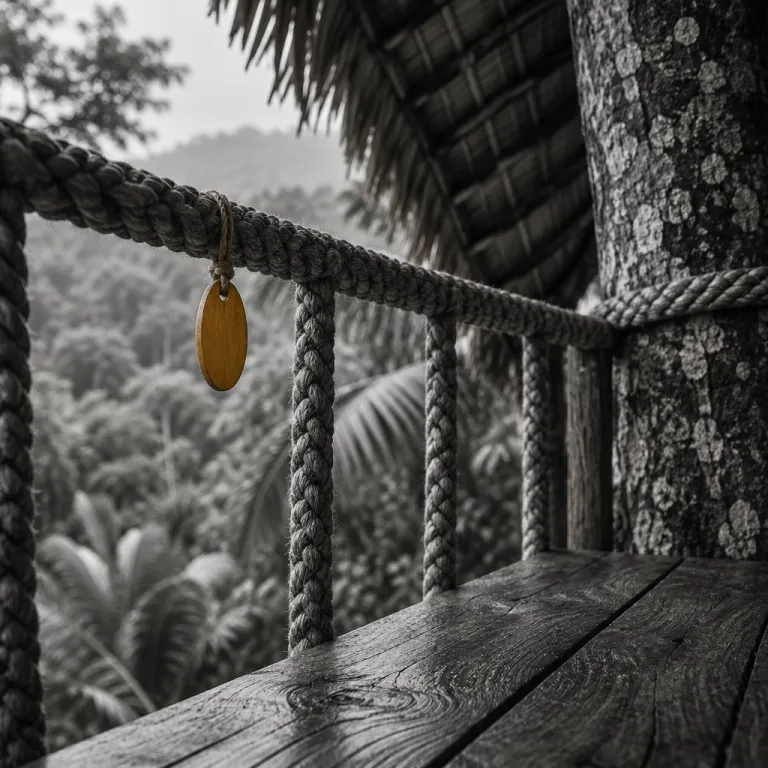
Why a Costa Rica treehouse hotel belongs on your shortlist
Sleeping in a treehouse in Costa Rica feels both playful and refined. A well-designed Costa Rica treehouse hotel lifts you above the forest floor, yet still keeps you close to the sounds of the rainforest. For travellers comparing hotels, this style of jungle lodge offers a different level of immersion than a standard hotel property.
In regions such as the Osa Peninsula or around Arenal, many tree houses are built on sturdy steel and hardwood pillars that rise several metres above the ground. From these elevated treehouse hotels you look directly into the canopy, where colourful toucans, howler monkeys, and other elusive wildlife move between branches at eye level. This creates a jungle experience that feels intimate, while still delivering the amenities you expect from high-end hotels.
Most travellers considering a Costa Rica treehouse hotel are also weighing beach stays, city hotels, or a traditional lodge in the highlands. A tree house stay can be combined with a few nights at a coastal boutique hotel, especially if you want easy access to a beach and surf schools. When you book, check availability across several dates, because the most sought-after cabins and houses often have limited space during peak wildlife seasons.
From an environmental perspective, a carefully planned treehouse or forest lodge can be more eco-friendly than a sprawling resort. Many Costa Rican owners design their houses and hotels to follow the natural contours of the land, preserving mature trees and native understory plants. This approach protects wildlife habitats and helps maintain the rainforest corridors that make a jungle experience in Costa Rica so compelling.
Hidden gem regions for a treehouse stay in Costa Rica
Beyond the famous national parks, several quieter regions offer a Costa Rica treehouse hotel experience with fewer crowds. On the southern Caribbean coast, the stretch between Puerto Viejo and Playa Chiquita hides small jungle lodges tucked behind the road. Here, tree houses often sit just a few hundred metres from the beach, so you can wake to rainforest sounds and walk to the sea.
Near Puerto Viejo, many treehouse hotels blend open-air design with practical comforts such as air conditioning in the bedrooms. Elevated walkways connect each tree house or lodge, and you often pass under giant trees that shelter sloths and colourful birds. When you book in this area, always check availability early, because the best houses with an equipped kitchen and shaded decks sell out quickly.
On the Pacific side, the hills above Uvita and Dominical host rainforest lodges such as Rancho Pacifico, which has inspired other intimate, design-forward properties. While not every lodge here is a pure treehouse hotel, many suites and villas perch high in the trees, with views over the Pacific coastline. If you want to pair a jungle experience with whale watching or coastal hiking tours, this region offers a strong balance between rainforest and beach.
Travellers who enjoy city breaks sometimes combine a night in San José with a stay in a Costa Rica treehouse hotel. This mirrors the way some visitors pair an urban base such as the refined 22 Hill Hotel in Reykjavík, described in this guide to a central yet calm hotel near a capital city centre, with more remote escapes. In Costa Rica, that might mean one night in a hotel near the airport, followed by several nights in tree houses deep in the rainforest.
What to expect inside a Costa Rica treehouse hotel
Guest expectations for a Costa Rica treehouse hotel have evolved, and comfort standards are now high. Even in remote rainforest locations, many treehouse hotels offer reliable air conditioning in bedrooms, quality mattresses, and hot water showers. The best houses also provide screened windows and doors, so you can enjoy open-air living without inviting insects into your tree house at night.
In regions such as Playa Chiquita and Puerto Viejo, it is common to find a lodge or small hotel with an equipped kitchen. This allows you to prepare simple meals using fresh Costa Rican produce, while still enjoying hotel-level amenities such as daily housekeeping and concierge support. When you book, ask whether the tree houses include a full-size fridge, proper hob, and secure storage for food, because curious wildlife such as raccoons and coatis can be persistent.
Bathrooms in a Costa Rica treehouse hotel range from compact wet rooms to generous open-air spaces with views into the surrounding foliage. Some hotels design showers that face the rainforest, giving you a jungle experience while still maintaining privacy through clever angles and dense greenery. If you value design, look for houses and hotels that use local hardwoods, natural stone, and eco-friendly finishes that age gracefully in the humid climate.
For travellers who enjoy heritage and nature, it can be helpful to read about other hidden gem stays, such as those near the Bee Hotel in Abergele, highlighted in this article on staying near heritage sites and finding smart alternatives. The same mindset applies when choosing a Costa Rica treehouse hotel, where a slightly less known lodge can offer a quieter stay and a deeper connection to the surrounding forest. Always check availability for these smaller houses early, because their limited room count means they fill quickly during holiday periods.
Beach, jungle, or both : matching location to your travel style
Choosing the right setting for your Costa Rica treehouse hotel is as important as the room itself. Some travellers prioritise a beach within walking distance, while others want a pure jungle experience with no other houses or hotels in sight. Your ideal stay may combine both, with a few nights in a rainforest lodge followed by time at a coastal hotel.
On the Caribbean side, Playa Chiquita and nearby coves offer a relaxed atmosphere, where tree houses sit behind the sand and under tall shade trees. Here, you can book a treehouse hotel that feels like a private house, yet still enjoy hotel-level amenities such as guided tour bookings, bicycle rentals, and breakfast delivered to your deck. Wildlife is abundant, and howler monkeys and toucans often pass directly through the gardens of these hotels.
Along the southern Pacific coast, properties inspired by Rancho Pacifico and other rainforest lodges cling to steep hillsides. These hotels often position each tree house or villa to maximise ocean views, so you can watch the sun set over the beach from your balcony. When you check availability in this region, pay attention to access roads and transfer times, because some houses sit several kilometres up steep tracks.
Travellers who like to mix urban energy with nature sometimes split their itinerary between a city base and a Costa Rica treehouse hotel. For example, you might start with a centrally located property similar in spirit to the elegant, centrally located hotels with spacious suites in Perth, then continue to a remote lodge. This approach lets you enjoy restaurants and museums before retreating to tree houses where only the rainforest and night sounds surround your hideaway.
How to evaluate comfort, amenities, and eco credentials
When you compare options for a Costa Rica treehouse hotel, look beyond the photos. Start by listing the amenities that matter most to you, such as air conditioning, an equipped kitchen, or a pool, then verify which houses and hotels actually provide them. This helps you focus on the best matches instead of being swayed only by dramatic tree house views.
Comfort in a treehouse or forest lodge depends on several practical details that are easy to overlook. Check whether the hotel offers proper mosquito screening, ceiling fans, and secure railings at every level, especially if you travel with children. If you plan a longer stay, ask whether the houses include laundry facilities or at least a shaded open-air area for drying clothes, because the humid rainforest climate can slow drying times.
Eco-friendly claims deserve careful scrutiny, particularly in sensitive rainforest and beach ecosystems. Many Costa Rican owners genuinely protect native vegetation, manage waste responsibly, and limit the number of houses on their land to reduce impact. When you book, look for certifications such as the Costa Rican Certification for Sustainable Tourism (CST), a national programme that rates hotels on environmental and social practices, and ask how the property supports local communities and conservation projects.
Safety is another key factor when choosing between different treehouse hotels and small eco-lodges. Verify that the property has clear emergency procedures, well-maintained paths, and lighting that balances guest safety with respect for nocturnal wildlife. Before you check availability, read recent guest reviews that mention noise levels, maintenance, and staff responsiveness, because these details often separate a good Costa Rica treehouse hotel from a truly great one.
Planning your stay : booking strategies, tours, and length of visit
Securing the right Costa Rica treehouse hotel often requires planning several months ahead. Smaller properties may have only a handful of tree houses, so booking windows can be tight during school holidays. Start by choosing your preferred region, then check availability across flexible dates to increase your chances of finding the best lodge for your budget.
Many hotels in areas such as Puerto Viejo, Playa Chiquita, and the southern Pacific coast can arrange a wide range of tour options. Typical activities include guided rainforest walks, night tours focused on nocturnal species, and boat trips along mangrove-lined rivers. When you book, ask whether the Costa Rican guides are certified and how group sizes are managed, because smaller groups usually provide a higher level of interpretation and a more intimate jungle experience.
The ideal length of stay in a Costa Rica treehouse hotel depends on your travel rhythm and wider itinerary. A minimum of three nights allows you to settle into the pace of the forest, enjoy the hotel amenities, and still have time for at least one full-day tour. If you combine a beach hotel stay with a deeper rainforest retreat, consider four or five nights in each location to balance relaxation and exploration.
Finally, think about logistics such as transfers, meal planning, and weather when you evaluate different treehouse hotels. Some houses include an equipped kitchen and encourage guests to self-cater, while others operate more like traditional hotels with full board options. Clarifying these details before you book ensures that your stay in a Costa Rica treehouse hotel feels seamless, comfortable, and aligned with the level of service you expect from a great rainforest or beach retreat.
Key statistics about Costa Rica, rainforest stays, and eco travel
- Costa Rica protects roughly 26% of its land area in national parks and reserves, according to the Costa Rican government’s National System of Conservation Areas (SINAC). Recent SINAC summaries, such as those published around 2023, confirm that protected areas remain central to the country’s conservation model, which makes rainforest-based hotels and tree houses a core part of the tourism offer.
- The Costa Rican Tourism Board (ICT) has reported in its visitor surveys that nature-based tourism accounts for more than half of international visitor motivations. ICT trend reports released in the early 2020s highlight that wildlife watching, national parks, and rainforest experiences are among the top reasons people book Costa Rica treehouse hotel stays and other jungle lodges.
- Studies cited by the United Nations Environment Programme (UNEP), including assessments of hotel resource efficiency updated between 2019 and 2022, indicate that eco-friendly practices in hotels, such as energy-efficient lighting and water-saving fixtures, can reduce utility costs by up to 20%. These findings support the long-term viability of rainforest lodges that invest in sustainable infrastructure.
- Data from the World Travel & Tourism Council (WTTC), reflected in its annual Economic Impact Reports for Costa Rica, show that travel and tourism contribute over 10% of the country’s GDP when direct and indirect effects are combined. Choosing locally owned treehouse hotels and small eco-lodges therefore has a meaningful impact on community livelihoods.
- Research by the Costa Rican National System of Conservation Areas, including corridor management plans updated over the last decade, notes that well-managed wildlife corridors, often passing through private lands that host cabins and hotels, are essential for species such as jaguars and tapirs. This underscores the importance of responsible development and careful siting of tree houses within forested landscapes.
FAQ about staying in a Costa Rica treehouse hotel
How safe are treehouse hotels in Costa Rica for families ?
Well-established Costa Rica treehouse hotel properties are generally safe for families, but designs vary. Look for houses with solid railings, secure staircases, and child-friendly layouts, and confirm that the hotel has clear safety policies. Reading recent guest reviews helps you assess how carefully staff manage risks around elevated walkways and wildlife.
Do Costa Rica treehouse hotels have air conditioning and modern amenities ?
Many treehouse hotels now offer air conditioning in bedrooms, reliable hot water, and Wi-Fi, especially in regions such as Puerto Viejo and the southern Pacific coast. Some houses prioritise open-air design and fans instead, to reduce energy use and maintain an eco-friendly profile. Always check availability and room descriptions carefully to ensure the level of amenities matches your expectations.
Is a treehouse stay better in the rainforest or near the beach ?
The choice between a rainforest lodge and a beach-based hotel depends on your priorities. A deep jungle experience offers more chances to see wildlife and enjoy cooler nights among dense vegetation. A beach setting such as Playa Chiquita or other coastal areas combines ocean access with elevated tree houses, which suits travellers who want both swimming and nature.
How far in advance should I book a Costa Rica treehouse hotel ?
For peak travel periods, it is wise to book a Costa Rica treehouse hotel at least three to six months ahead. Smaller properties with only a few tree houses can fill even earlier, especially in popular regions. Use flexible dates when you check availability, and consider midweek stays for a better chance of securing the best options.
Are Costa Rica treehouse hotels truly eco friendly ?
Many Costa Rican owners operate genuinely eco-friendly houses and hotels, but standards differ. Look for recognised certifications such as the CST programme, clear information about waste and water management, and evidence that the property protects existing vegetation and supports local communities. Asking specific questions before you book helps you choose a Costa Rica treehouse hotel that aligns with your environmental values.