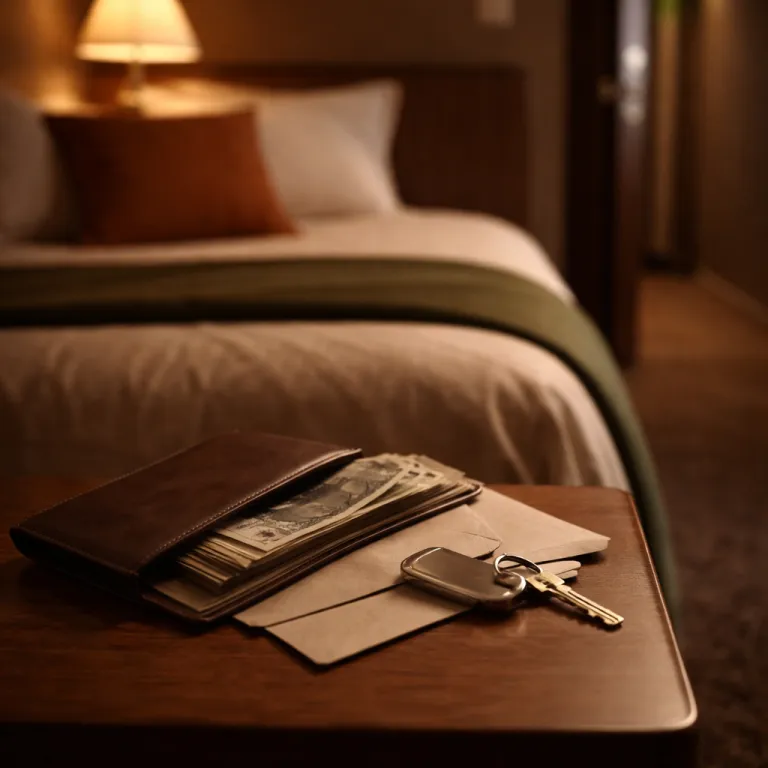
Do hotels take cash and what this means for your stay
Many travellers still ask whether hotels take cash for a standard stay or if a card is now mandatory. As digital payment options expand, hotel chains and independent properties increasingly prefer that every payment is made with a credit card, debit card, or mobile wallet for security and efficiency. Yet a significant share of hotels accept cash in some form, especially at check out or for settling a final balance when you book a hotel and pay cash on departure.
Industry surveys provide useful benchmarks. The American Hotel & Lodging Association (AHLA) 2023 Lodging Survey (covering primarily U.S. hotels across chain scales) and a 2022 STR global payment practices snapshot (based on a sample of branded and independent properties in major regions) both indicate that roughly 45–55 % of surveyed hotels accept cash payments in at least one scenario, although policies differ sharply between regions and brands and should not be treated as universal. This shift reflects a broader move towards credit and debit based payments, driven by the need to reduce cash handling, prevent fraud, and streamline the check in process. When you plan to pay cash at a hotel, you must understand how this choice affects your room options, your required deposit, and even whether the front desk will accept you at all.
Hotel chains act as policy makers and set the overall payment framework, while individual hotel managers implement and interpret these policies on site. Because of this two level structure, one hotel within a chain may accept cash readily, while another hotel under the same flag will accept only a credit card or debit card for any stay. For example, a midscale U.S. roadside hotel might accept cash with a modest refundable deposit and a copy of your ID, while a central London or Tokyo business hotel may refuse banknotes entirely at check in and insist on a chip‑and‑PIN card. Before you book a stay that relies on cash, always read the payment policies carefully and then call the property to check the details.
How to find hotels that accept cash payments
When you want to stay in hotels that welcome cash, you need a methodical search strategy. Start by using booking platforms and travel agency filters, then cross check each hotel website to confirm whether the front desk staff accept cash at check in or only at check out. Because online descriptions can be vague or out of date, a direct phone call or email to the hotel often remains the most reliable way to find accurate payment information and understand the hotel cash deposit policy.
Ask specific questions such as whether the hotel will accept cash for the entire stay, whether a credit card is still needed for a security deposit, and whether any extra fees apply when you pay cash. Clarify if the hotel accepts cash only for certain room categories, such as standard rooms rather than premium suites or apartment style units designed for an extended stay. You should also confirm whether hotels accept cash for walk in guests but require a card guarantee for online reservations, a pattern highlighted in the 2022 STR payment practices snapshot for urban business hotels in markets such as New York, London, and Singapore.
For a step by step approach, consult practical guides on finding hotels that accept cash payments near you and then verify each property’s policies by email or phone. When you call, note the name of the staff member who confirms that the hotel accepts cash and ask them to add a remark to your booking. This simple check reduces the risk of arriving at night with only cash funds and being refused because the front desk suddenly insists on a credit or debit card. A short script can help when you want to book a hotel and pay cash: “Hello, I’m planning to stay from [dates]. I prefer to pay in cash. Do you allow cash payment for the room, and what deposit or card guarantee do you require at check in?”
Cash, card, and deposits at check in
The most important moment for any payment discussion is the check in, when the hotel decides whether to release a room key. Many hotels accept cash for the nightly room rate but still require credit card details or a substantial cash deposit to cover incidentals and potential damage. Some properties will accept a debit card instead of a credit card, yet they may place a large hold that ties up your available balance for several days after your stay.
When you intend to pay cash, ask whether the hotel will accept a full cash deposit equal to the total stay plus an extra amount per night for extras. This cash deposit can be significant, especially in city centre hotels or luxury suites, and it may exceed what you expected to pay for the entire stay. For example, AHLA member feedback in 2023 suggests that U.S. midscale hotels often hold US$50–150 per night on a card, while cash deposits can range from US$100–300 per stay or more. If you lack a card, you must be prepared for the hotel to require verification through identity checks and sometimes additional paperwork before they hand over the room key.
Some travellers prefer apartment style or extended stay properties because these hotels accept a wider range of payment methods, including cash payments for longer bookings. However, even an affordable extended stay hotel may insist on a security deposit that is higher when you are paying cash than when you use a standard credit or debit card. For insight into how high end properties manage this balance between guest freedom and security, consider examples such as luxury hotels in quieter European districts, where strict deposit rules coexist with personalised service and where cash is often limited to restaurant or spa bills rather than room charges.
Extended stay, affordable weekly rates, and paying cash
Guests seeking an extended stay or affordable weekly rate often rely on cash to manage their travel budget. Many extended stay hotels operate more like serviced apartments, offering apartment style rooms with kitchenettes and on site laundry, which can make a long stay more affordable overall. These properties sometimes accept cash more readily than traditional hotels, but they usually balance this flexibility with higher deposits and stricter policies.
Before you commit to an affordable weekly rate, ask whether the hotel will accept cash for the entire period or only for part of the stay. Clarify if you must still provide a credit card or debit card for a security deposit, even when you intend to pay cash for each night at the front desk. Some extended stay hotels accept a rolling cash deposit that is adjusted each week, while others insist that guests pay the full amount upfront in cash plus an additional cash deposit for potential damages. In North America, for instance, budget extended stay brands commonly require US$200–400 in refundable cash deposit for weekly guests without a card, whereas similar properties in parts of Europe may ask for €150–300, and some Asian city hotels request the equivalent of several nights’ room rate.
When you stay in hotel properties that cater to long term guests, read the house rules carefully because they often include detailed sections on payments and deposits. Policies may state that guests who are paying cash cannot charge items to their room, cannot enjoy certain free extras, or must check in earlier so staff can verify identification. If you need flexibility, ask whether the hotel accepts cash for part of the stay and then allows you to switch to a card later, which can reduce the total deposit required and may unlock additional services such as late check out or in room dining.
Technology, security, and why fewer hotels accept cash
Across the industry, there is a clear shift from cash towards digital payments, driven by both security and operational efficiency. Hotel chains report that card based payments reduce the risk of theft, simplify night audit procedures, and make it easier to track every payment in real time. This is why many hotels accept only a credit card or debit card at check in, even if they still accept cash at check out for guests who prefer to settle their final bill in banknotes.
The move towards cloud based property management systems has accelerated this trend, as these platforms are designed around card transactions and automated authorisations. If you are curious about how this technology shapes your stay from the moment you arrive to the moment you leave, explore analyses of how cloud solutions transform the hotel stay from check in to check out. These systems make it easier for managers to require verification, apply dynamic deposits per room type, and instantly release holds on a credit or debit card once you check out.
From a guest perspective, this means that hotels will accept less physical cash over time, especially in urban markets where digital adoption is highest. Some properties no longer accept cash at all, while others accept cash only for limited services such as restaurant bills or spa treatments. As one industry summary puts it, “Do all hotels accept cash? No, policies vary by hotel.” and “Is a deposit required for cash payments? Often, yes.” and “Can I book a hotel room without a credit card? Some hotels allow it; check policies.” These concise answers match the direction of recent AHLA and STR findings and can be adapted into FAQ or schema style summaries for quick reference.
Practical strategies when you want to pay cash at a hotel
Travellers who prefer cash need a clear plan before they arrive at any hotel reception. Start by choosing destinations and neighbourhoods where hotels accept a wider range of payment methods, such as roadside properties, family run hotels, or extended stay options with apartment style layouts. Then, contact each hotel directly to confirm whether they accept cash, what level of cash deposit they require, and whether a card is still needed for incidentals.
Carry enough cash to cover at least one extra night plus the expected security deposit, because front desk staff may adjust the amount based on your room type or length of stay. Ask for a written receipt for every cash deposit and keep it until the hotel returns the full amount at check out, especially if you are paying cash over several nights. If you also hold a debit card or credit card, consider using it solely to guarantee the booking while you pay cash for the main room charge, which can reduce friction without changing your budgeting style.
When comparing properties, do not focus only on whether they accept cash but also on the total cost of your stay, including any fees linked to alternative payments. An affordable hotel that accepts cash payments might still be less attractive if it blocks access to free perks such as Wi Fi or late check out for guests without a card. Balance your desire to pay cash against the convenience, flexibility, and protections that a credit card or debit card can offer in case of disputes or unexpected changes, especially in regions where consumer protection laws favour cardholders.
Key statistics about hotels and cash payments
- The AHLA 2023 Lodging Survey (U.S. sample) and STR 2022 payment data (multi region sample) indicate that around 50 % of participating hotels accept cash in at least one scenario, which means travellers cannot assume that every property will accept banknotes at check in.
- The same surveys show a steady decline in cash payments over recent periods, reflecting a broader shift towards card based transactions and mobile wallets in the hotel sector.
- Hotel chains that reduce cash handling report lower internal loss rates and faster night audit times, which encourages more properties to require credit or debit based guarantees.
- Properties that focus on extended stay and apartment style accommodation often maintain higher cash acceptance than luxury city hotels, but they typically offset this with larger security deposits; for example, deposits of US$200–400 or €150–300 are common for long stays without a card in many midscale brands.
FAQ about paying cash at hotels
Do most hotels still accept cash at check in ?
Many hotels no longer accept cash at check in, especially in major cities, and instead require a credit card or debit card for both payment and deposit. Some properties will accept cash only at check out, after a card has been authorised for the stay. Always confirm the policy directly with the hotel before travelling, as regional rules and brand standards can change from year to year.
Can I book a room without a credit card if I plan to pay cash ?
Some hotels allow reservations without a credit card, particularly smaller properties or certain extended stay options, but this is not guaranteed. Even when you intend to pay cash, many hotels require credit or debit details to secure the booking. Call the property and ask whether they will accept a booking backed only by a cash deposit on arrival, and request the exact amount so you can bring sufficient funds.
Why do hotels require a higher deposit when I pay cash ?
When guests are paying cash, hotels face greater risk of unpaid incidentals or damage because there is no card to charge after departure. To manage this risk, they often request a larger security deposit in cash, held until the final room inspection. This practice is common in both affordable hotels and higher end suites, and it is frequently mentioned in AHLA member guidance on front office risk management.
Are extended stay and apartment style hotels more flexible with cash payments ?
Extended stay and apartment style properties can be more open to cash payments because they attract guests who stay for weeks rather than nights. However, these hotels usually protect themselves with strict policies and substantial deposits, especially for affordable weekly rates. Always ask for the exact cash deposit amount and any conditions before confirming a long stay, and compare it with the hold that would apply if you used a card instead.
What happens to my cash deposit when I check out of the hotel ?
At check out, the front desk will check your room for damage and unpaid charges, then return your cash deposit in full if everything is in order. This process can take extra time compared with releasing a hold on a credit card or debit card. To avoid delays, settle any remaining payments early, keep all receipts related to your cash deposit, and allow a little extra time before you need to leave for the airport or train station.