The 6 pm test: why aperitivo time reveals a hotel’s soul
Walk into any serious luxury hotel at 6 pm and head straight to the restaurant bar. This is the true luxury hotel aperitivo hour, when the room is half lit, the music low, and the bartender working for hotel guests rather than for a camera. At this quiet aperitivo time, you see whether the property understands Italian hospitality as a lived ritual or just as decoration imported from Italy.
The classic Italian aperitivo runs between 18:00 and 20:00, a pre-dinner rhythm that shapes how guests enjoy the entire evening. Hospitality researchers describe this as a third space, a social buffer between the city and the dining room, and hotel teams now treat the evening aperitivo as seriously as check-in. In that window, “What is aperitivo?” stops being a brochure line and becomes “A pre-dinner ritual involving light drinks and snacks.”
Because the crowd is thin on a Tuesday or a quiet Sunday or Monday, the luxury hotel aperitivo hour cannot hide behind volume. You notice whether the menu lists a thoughtful spritz alongside a precise pinot noir and a well-chosen red wine, or just a generic list padded for margin. You also see whether walk-ins are welcomed with the same grace as suite guests, and whether valet parking staff, restaurant bar hosts, and dining room servers move with one calm choreography.
Aperitivo as cultural translation, not Italian wallpaper
In the best hotels in Italy, aperitivo is not a theme night but a format that translates local life into the lobby. “When does aperitivo typically occur?” has a simple answer — “Between 6:00 PM and 9:00 PM.” — but the way a hotel uses that time says everything about its respect for place. The most confident properties treat the luxury hotel aperitivo hour as a small essay on their city, not as a generic Italian postcard.
Look at the snack menu first, because it tells you whether the kitchen is thinking about appetite or Instagram. A serious dinner menu will echo the aperitivo plates, so that the whipped ricotta with lemon zest and basil you taste at 18:30 returns, evolved, in the dining room later. This is gastronomy as cultural language, the same logic that underpins any hotel kitchen that wants guests to read a destination through its food rather than through imported clichés.
On a Friday or Saturday, or across a long weekend stretch, you can watch this cultural translation under pressure. If the restaurant bar still sends out warm Castelvetrano olives, pickled vegetables with a clean snap, and small tomato bruschette finished with Parmigiano Reggiano, you know the team is not cutting corners. When guests enjoy these same Italian accents on a quieter Sunday or Monday, the ritual feels like a promise kept rather than a performance staged.
Glassware, ice, citrus and the quiet language of care
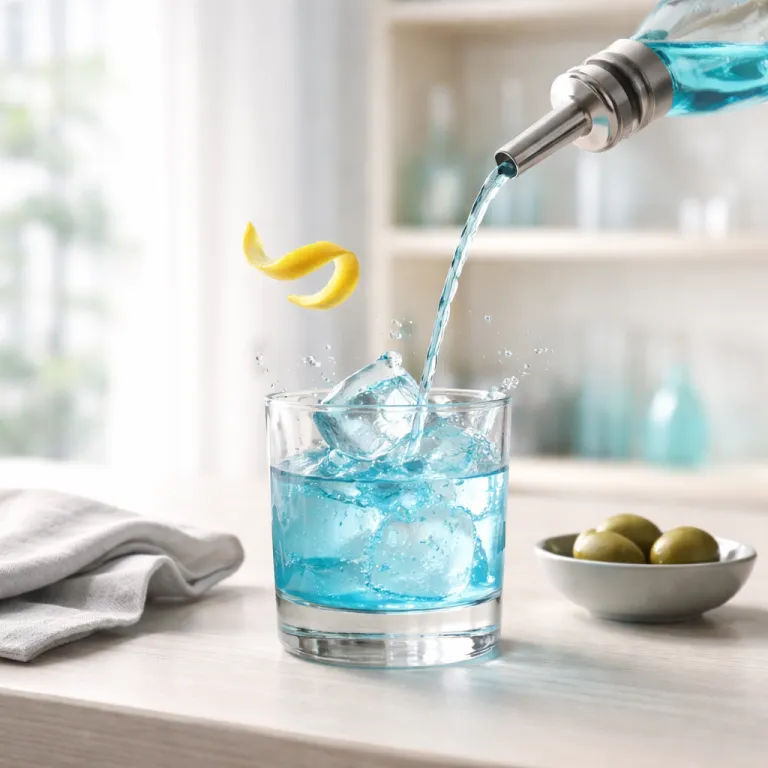
The first thing to read at aperitivo hour is not the label on the red wine bottle but the glass it arrives in. Thin-lipped stemware, clear ice without clouding, and a lemon twist cut cleanly rather than hacked are three quiet signals that the hotel takes this time seriously. If a simple Italian spritz is treated with the same respect as a grand pinot noir, you can usually trust what will follow at dinner.
Watch how the bar handles citrus and herbs, because they bridge the aperitivo and the dinner menu. A Negroni finished with a precise orange peel, a gin and tonic lifted by mint and basil, or a non-alcoholic spritz brightened with lemon all show that the mise en place is built for flavor, not speed. When the same mint and basil reappear with whipped ricotta, tomato and Parmigiano Reggiano on a small crostino, the luxury hotel aperitivo hour becomes a preview of the kitchen’s discipline.
Even the heat of a Calabrian chili tells a story about sourcing and intent. Some hotels in Italy now use Calabrian chili oil to give a gentle kick to Castelvetrano olives or to a red pepper and onion relish, then carry that same Calabrian note into a pasta on the dinner menu. As one Rome bartender put it in a 2022 trade interview, “If you rush the garlic, guests taste the shortcut.” When garlic is chopped fresh rather than poured from a jar, and when onion is sautéed slowly instead of rushed, the evening aperitivo quietly guarantees that your later dinner will be cooked, not assembled.
The snack tray: from whipped ricotta to serious dinner
Nothing exposes a hotel faster than the first plate that lands beside your drink at aperitivo time. A tray of industrial crackers and tired pickled vegetables under harsh red light tells you that the luxury hotel aperitivo hour is a marketing line, not a craft. By contrast, a small ceramic dish of Castelvetrano olives, a spoon of whipped ricotta with lemon and basil, and a slice of tomato brushed with olive oil and garlic signal a kitchen that cooks for appetite, not for volume.
On a busy Friday or Saturday, watch whether those snacks still feel made that day. The best restaurant bar teams send out crostini topped with ricotta, onion jam and a hint of Calabrian chili, or tiny toasts with tomato, basil and Parmigiano Reggiano shavings that echo the flavors of the dining room. In one Milan property in 2023, a plate of three seasonal crostini — ricotta and lemon, tomato and basil, and roasted pepper with Calabrian chili — was priced at €14, a small investment that quietly signaled the standard of the dinner menu.
By Tuesday or Saturday, patterns emerge. If the same care appears on a quiet Tuesday as on a full Saturday, you can safely book dinner in house rather than searching outside the hotel. When the evening aperitivo slides naturally into a seated meal, with the bar team walking you from pinot noir to a more structured red wine and the staff offering to hold a table in the dining room, the entire property feels coherent.
Service posture and three Italian hotels that pass the 6 pm exam
The final measure of any luxury hotel aperitivo hour is human, not liquid. At 6 pm, a good bartender is present without performing, attentive to hotel guests and walk-ins in equal measure, and able to explain the Italian ritual without turning it into a lecture. When valet parking, host stand and bar all greet you with the same calm tone, you feel invited to join aperitivo as if it were a standing house tradition.
Le Sirenuse in Positano sets the benchmark, with its Champagne Bar overlooking the Bay of Naples and an evening aperitivo that feels like a private club without a membership card. J.K. Place Roma uses its restaurant bar as a living room, where guests enjoy pinot noir, red wine or a light spritz alongside small plates of whipped ricotta, tomato and basil that mirror the dining room’s dinner menu. At Il Pellicano in Porto Ercole, the transition from happy hour on the terrace to a white tablecloth dinner is so seamless that many guests plan their first night around aperitivo rather than a fixed dinner reservation. These examples are drawn from the hotels’ own published materials and on-the-record descriptions in industry coverage, rather than anonymous reviews.
If you care about sleep as much as spritzes, this is also the hour to notice the rest of the operation, from how quietly staff move through corridors to the quality of the pillows waiting upstairs, the kind many hotels now select to create a five-star sleep experience. A hotel that sweats the details of ice, citrus and snack trays at 6 pm usually sweats thread counts and mattress toppers with the same intensity. Book with the properties where aperitivo hour feels unforced, and you will usually find that every other part of the stay holds up to a second visit.
FAQ
What is aperitivo in a hotel context ?
Aperitivo in a hotel is a pre-dinner ritual in the bar or lounge, usually between 18:00 and 20:00, where light alcoholic drinks and small snacks are served. It is designed to stimulate appetite and encourage social interaction among hotel guests. Many Italian-inspired properties in Italy and beyond now treat this as a daily hospitality format rather than a themed event.
How can I tell if a hotel’s aperitivo hour is serious ?
Look at the glassware, ice quality and citrus preparation first, then at the snack tray. Fresh items such as Castelvetrano olives, whipped ricotta with lemon and basil, and crisp pickled vegetables suggest a kitchen that cooks for flavor, not just for cost control. If the same care appears on a quiet Tuesday or Sunday or Monday as on a busy Friday or Saturday, the ritual is likely embedded in the hotel’s culture.
Does a good aperitivo hour mean the dinner will be good too ?
In many high-level hotels, the quality of aperitivo is a reliable preview of dinner. When flavors, ingredients and technique on the aperitivo plates echo what appears later on the dinner menu, the dining room usually delivers a coherent experience. If the bar snacks feel industrial or disconnected from the restaurant, that is often a warning sign.
Should I book my first night around aperitivo rather than dinner ?
For solo travelers and frequent hotel guests, planning the first evening around aperitivo can be smarter than locking in a formal dinner. The 6 pm hour lets you read service style, kitchen discipline and bar culture in a low-pressure setting. After that, you can decide whether to stay in the hotel for dinner or explore the surrounding neighborhood.
Is aperitivo only for guests staying in the hotel ?
Many luxury properties welcome external guests and walk-ins to their aperitivo hour, especially in urban locations. Policies vary, so it is worth checking whether reservations are needed or whether you can simply arrive at 18:00 and find a seat at the restaurant bar. When non-residents and hotel guests enjoy the same level of service, the bar usually feels more like a genuine third space than a closed club.
Sources
Data points and concepts in this article draw on the 2023 American Hotel & Lodging Association State of the Hotel Industry report; WATG Advisory’s 2022 analysis of hotel bars as third spaces; FSR Magazine coverage of aperitivo trends in full-service restaurants (2021); and official hotel descriptions and press materials from Le Sirenuse, J.K. Place Roma and Il Pellicano for property details.