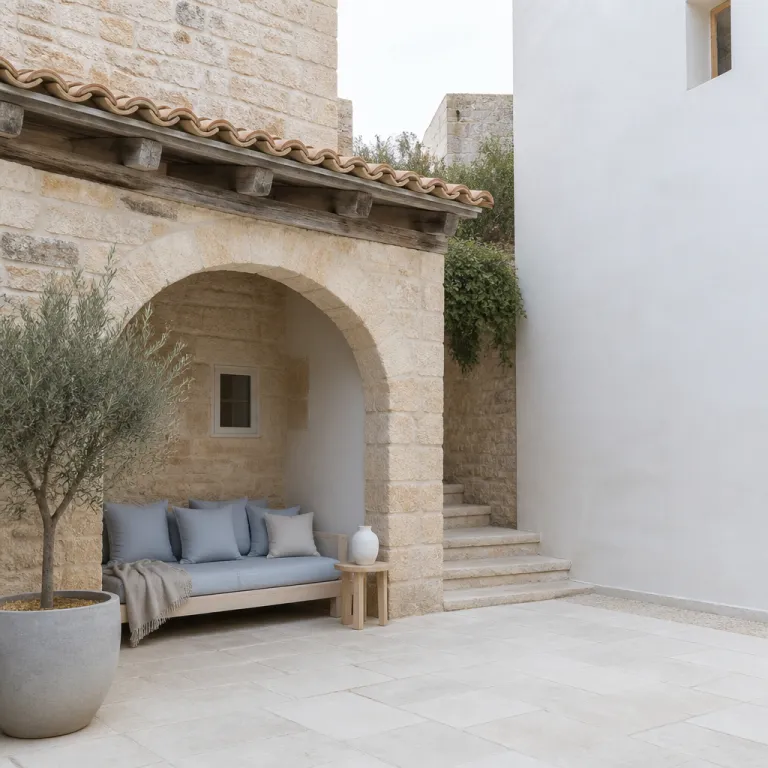
From palazzo restoration to borgo conversion luxury hotel
Restoring a single palazzo into a luxury hotel is a controlled exercise. Converting an entire borgo into a borgo conversion luxury hotel means the streets, chapel and former workshops all become part of the hospitality script, and every view and courtyard suddenly has to work for paying guests. The shift from one historic building to a whole village scale changes what a hotel owes to heritage and to the memory of daily life that once animated these stones.
In Tuscany and across italy, the borgo model turns a compact hilltop village into a network of rooms, suites and shared spaces. Instead of one lobby and one bar, you move through lanes, arches and small piazzas, where each room or suite might occupy a former farmhouse, school or priest’s house, retaining original stonework while adding modern amenities that meet current expectations. The result can feel like staying inside a living heritage site, yet the risk is that the village becomes a curated stage set where guests borgo experience replaces the reality of a once complex community.
For couples considering a stay in a borgo conversion luxury hotel, the key question is how honestly the property balances comfort with continuity. A thoughtful hotel will keep the original urban footprint, respect the historic relationship between church, square and agricultural land, and avoid erasing traces of work and worship in favour of generic spa spaces. When you compare these borgo hotels with more conventional historic hotels in cities, you start to see how guest flow is designed around existing architecture rather than forcing the village to behave like a standard resort.
Streets, chapels and farmhouses as hotel infrastructure
In a borgo conversion luxury hotel, infrastructure is inherited rather than imposed. Narrow streets become circulation corridors, the chapel might host intimate concerts or wedding ceremonies, and former barns transform into hotel suites that still show vaulted ceilings and thick stone walls. Instead of a single grand staircase, you navigate steps worn by centuries of villagers, which subtly changes the atmosphere of arrival and departure.
Chapter Chianti in the Chianti hills of italy is a clear example of this village scale thinking. The property occupies a restored 16th century borgo with 82 rooms and suites, retaining original stone walls and vaulted ceilings while layering in contemporary design that respects the agricultural heritage of the surrounding vineyards. Here, the hotel uses the existing village location and footprint, so the main square becomes the social heart, the former olive mill hosts a wine bar, and outdoor activities radiate into the countryside rather than into artificially landscaped grounds.
For couples used to urban historic hotels, this dispersed layout can feel both liberating and disorienting. You might have a room in one lane, a spa treatment in another building and a restaurant table in the old granary, which makes every stay feel like a gentle exploration of the borgo itself. Properties that handle this well, such as the most carefully restored lakeside estates on the Gulf of Saint Tropez, show how a landmark can return to life as a refined retreat while still retaining original character, as seen at a Belle Époque landmark reborn as a luxury hotel.
What is preserved, what is staged and the carbon argument
Adaptive reuse at borgo scale carries a powerful environmental logic. By retaining original structures, stonework and street patterns, a borgo conversion luxury hotel avoids much of the embodied carbon cost of ground up construction, which makes every preserved wall and roof a quiet climate decision. When a heritage site is reused rather than demolished, the carbon already locked into its materials continues to serve, and the landscape avoids the scars of new foundations.
The honest question is what is genuinely preserved and what is carefully staged for guests. Some borgo hotels keep agricultural land in active use, partner with local wine producers and maintain chapels as places of reflection, while others turn every space into a spa, lounge or event venue, erasing the traces of work that once defined the village. You can often read the difference in the details of rooms and suites, where original beams, vaulted ceilings and irregular stone floors either coexist with contemporary design or are replaced by generic finishes that could belong to any hotels anywhere.
Ethically minded travellers should look for clear information about heritage status, especially when a borgo lies within or near a UNESCO heritage landscape. A property that speaks openly about what was removed, what was reconstructed and how it is offering guests access to local culture usually has a more grounded relationship with its past. When you compare this transparency with the way some city hotels present their history, such as a smart historic stay near Central Park described in this review of a New York heritage hotel, you start to see which narratives feel earned and which feel like costume.
Designing guest flow around a former village
In a borgo conversion luxury hotel, architecture dictates choreography. Instead of designing corridors and lifts first, architects work with existing alleys, staircases and terraces, then map how guests will move between room, restaurant, pool and spa without breaking the historic fabric. This reversal of priorities often produces a more organic stay, where each view, doorway and courtyard feels discovered in sequence rather than delivered on a master plan.
For couples, this can translate into a quietly romantic rhythm. You might leave your room, cross a tiny square where neighbours once traded olives, then slip through an archway to reach the pool that now overlooks vineyards or a distant lake, with the atmosphere changing subtly at each turn. The best borgo hotels use lighting, planting and small art interventions to guide guests borgo wide, while still retaining original materials and avoiding intrusive signage that would flatten the sense of place.
Guest experience teams also need to think differently about accessibility and privacy. Some hotel suites sit directly on former village lanes, so designers use screens, planting and careful glazing to protect privacy without erasing the historic relationship between façade and street. When you compare this to more vertical city hotels, such as refined urban retreats in Split highlighted in this guide to where to stay in Split, you see how borgo conversions trade elevator convenience for a slower, more cinematic daily walk.
The ethical edge: community memory versus curated escape
Turning a borgo into a borgo conversion luxury hotel raises a sharper ethical question than restoring a single palazzo. When the former use was a living community, hospitality inevitably interacts with memory, from the schoolroom that becomes a spa suite to the chapel that now hosts private dinners. The risk is that a village once shaped by necessity becomes a picturesque backdrop, where heritage is edited to suit the expectations of short term guests.
Responsible borgo hotels in italy work hard to keep that line from blurring. They employ local staff, commission art from regional makers, support outdoor activities that connect guests to surrounding farms and forests, and keep public access to certain paths or viewpoints rather than enclosing everything behind gates. Some properties maintain small interpretive rooms that explain who lived in each house, what crops were grown and how the borgo changed over each century, which helps guests understand that their stay is part of a longer story rather than a self contained fantasy.
For couples choosing where to stay, a few practical checks can reveal whether a property is honouring or merely staging its heritage. Look at how the hotel talks about its rooms suites and hotel suites, whether it acknowledges modest former uses alongside grander spaces, and how it frames its location in relation to nearby villages that still function as communities. Ask how the property is offering guests meaningful contact with local culture, from wine tastings with small producers to guided walks that explain why this particular borgo, with its vaulted ceilings and layered history, deserved to be cared for rather than simply consumed.
FAQ
What makes a borgo conversion luxury hotel different from other historic hotels ?
A borgo conversion luxury hotel occupies an entire former village rather than a single building. Streets, chapels and farmhouses become part of the hotel infrastructure, so guest flow is designed around existing architecture instead of new corridors. This creates a more dispersed, village like stay that feels very different from a traditional city palazzo or manor house.
How can I tell if a borgo hotel is respecting its heritage ?
Look for clear information about what has been preserved, what has been reconstructed and whether the property sits within a protected heritage site or UNESCO heritage landscape. Respectful borgo hotels usually retain original stonework, vaulted ceilings and street patterns, and they explain former uses of rooms and suites rather than erasing them. They also tend to work with local communities, from hiring practices to partnerships with nearby farms and wine producers.
Are borgo conversions suitable for couples who value privacy and comfort ?
Yes, many borgo conversions offer generous hotel suites and secluded rooms suites while still retaining original village layouts. Privacy is often created through careful landscaping, discreet entrances and thoughtful contemporary design rather than isolation in a tower block. If you value comfort, check that modern amenities such as climate control, soundproofing and high quality bedding have been integrated without compromising the historic character.
What kind of activities can we expect during a stay in a borgo hotel ?
Because borgo hotels are usually surrounded by countryside, outdoor activities are a strong part of the experience. You can expect guided walks through vineyards and olive groves, cycling routes between nearby villages, and tastings with local wine and food producers. Many properties also curate cultural experiences, from small concerts in former chapels to art workshops that respond to the village atmosphere.
Is a borgo conversion a good base for exploring wider regions of Italy ?
Most borgo hotels are located within easy driving distance of regional highlights, whether that means Tuscan hill towns, coastal areas or lake districts. Their village location often gives you a quiet retreat after day trips, with views over countryside that feel far from busier hubs. When planning, check road access, parking and transfer options, especially if you prefer not to drive during your stay.