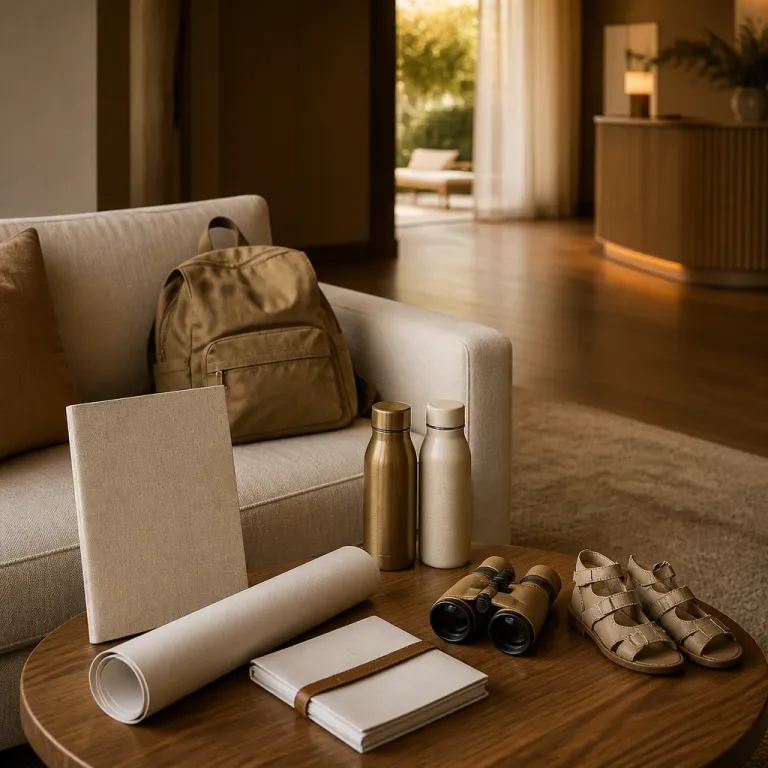
From kids' club to shared luxury: why the model broke
For years, the default family luxury promise was simple and blunt. Parents checked into a resort, walked the kids to a brightly painted room, and let the kids club handle the rest while the adults pursued their own idea of travel. That model suited a time when a family vacation meant parallel days rather than a shared luxury family itinerary.
Today’s families arrive with different expectations and a sharper sense of time. According to Expedia Group’s 2023 “Family Travel Trends” research, around 65% of parents say their children influence destination choice, and American Express Travel’s 2022 “Global Travel Trends Report” notes that most families now prioritise “quality time together” over separate activities. Many parents still choose a hotel based on kids' club quality, yet quietly admit that their biggest regret is spending a full day apart from their children in a place they travelled so far to reach. When roughly two thirds of trip ideas now stem from children, the old model of outsourcing the day to a club feels out of step with how families want to travel together.
Luxury hotels have listened and shifted from amenity led promises to itinerary led stays. Instead of a generic kids club schedule pinned to a wall, the best properties now offer a tailored family itinerary that treats every day as a curated arc, not a gap to be filled. The goal is no longer to entertain kids separately but to plan a family trip that works for every generation at the same time, often with a dedicated family concierge or experience curator guiding the process.
The four hour family unit: how itineraries actually work
The most sophisticated luxury family hotel itinerary is built around one simple idea. Families can genuinely focus together for about four hours before someone needs a change of pace, a snack, or a plunge pool break. The hotels that understand this design their itinerary planning in four hour blocks that respect attention spans and energy levels across ages.
To see how this works in practice, imagine a two day outline near Arenal Volcano in Costa Rica. Day one might start with a 7:30 a.m. breakfast, followed by an 8:30 a.m. private hanging bridges and rainforest walk (around three hours, with transfers and guide fees typically bundled into a half day excursion). After a relaxed lunch back at the resort, families could spend the afternoon at the pool with optional guided nature crafts for kids, then sit down to an early 6:00 p.m. family table in the main restaurant. Day two could pair a late morning visit to nearby hot springs (often sold as a three to four hour pass, with transport and snacks at an additional cost) with a late afternoon private chocolate workshop on property, while grandparents retreat to the spa and younger children dip into a low key kids club corner that feels more like a lounge than a holding pen.
Urban hotels in North America apply the same logic with museum trails, park time and early dinners, proving that a strong family itinerary is not limited to a beach resort. A comfort focused Midtown property might suggest a 9:00 a.m. start at a major museum with a child friendly route, a midday break in a nearby park, and a 5:30 p.m. dinner reservation, all mapped out in a typical guide to experiencing comfort and value at a New York hotel so that families can see how the day flows before they arrive.
From Castello di Reschio to Royal Mansour: properties that curate, not distract
Some hotels have quietly become benchmarks for the new luxury family approach. At Castello di Reschio in Umbria, the team builds each family itinerary around the estate’s working rhythm, from early morning rides to late afternoon lake swims, so that children feel part of the place rather than parked beside it. As one member of the Reschio family has put it in interviews, the aim is to let guests “live the estate as if it were their own home,” and that philosophy extends to how children join in daily life. Castiglion del Bosco in Tuscany takes a similar stance, using its vineyards, trails and cooking schools to create day plans that fold kids into the same experiences as adults, just at a different pace.
In Marrakech, Royal Mansour shows how a city hotel can still deliver a deeply considered luxury family hotel itinerary without leaning on a traditional kids club. The property describes its approach as “a universe designed for families,” and families might spend one day with a private guide in the medina, another in the gardens, and a quieter day in a riad with a plunge pool and crafts brought in at no extra cost beyond the materials. In Edinburgh, Nira Caledonia proves that even a townhouse hotel can think like a resort by mapping short walking itineraries for families, pairing literary trails with park time and relaxed dining slots.
Across these properties, the common thread is precision in how time is handled. Staff use tools from simple printed cards to digital apps to keep the plan visible, and they rely on local guides and cultural partners rather than generic entertainers. Internal time tracking and clear handovers between concierge, kids' hosts and spa teams mean that transfers, naps and meals line up, and that operational discipline quietly translates into a smoother family trip.
Designing days for three generations: dining, downtime and the grandparent factor
Multigenerational travel has turned the simple family vacation into a more layered project. When grandparents join the trip, the luxury family hotel itinerary has to balance mobility, patience and different ideas of a good day. The smartest hotels now ask detailed questions about ages, sleep patterns and interests before they even suggest an itinerary, and they often assign a named family concierge to coordinate requests.
Dining is where this planning becomes visible. Properties that take families seriously offer an early seating with a proper menu, not just a kids' corner, and they are honest about no kids zones where adults can enjoy a quieter aperitivo hour. The same thoughtfulness appears in how they schedule room service, late snacks and breakfast slots so that toddlers, teens and grandparents can all eat without turning meals into a negotiation about timing and noise.
Room configuration matters just as much as restaurant policy. A resort that offers interconnecting suites, a small plunge pool on a terrace, and flexible breakfast times will usually serve a three generation family better than a property that only talks about a kids club and a beach club. The real vip perks for families are not balloons on the bed but the ability to adjust the plan when a child is tired, a grandparent needs shade, or a parent wants one hour of private time without turning the trip into separate parallel holidays.
How to read a hotel website and ask the right questions
When you look at a hotel website, the family section should read like a working plan, not a brochure. You want to see concrete examples of a one day family itinerary, clear notes on what carries an extra cost, and honest language about what the hotel can and cannot arrange. If the only mentions of families are a kids club logo and a vague beach promise, assume the property is still thinking in the old model.
Before you book, test the hotel with three questions. First, ask them to outline a sample luxury family hotel itinerary for two full days that includes both on site and local experiences, whether that is a theme park visit near a North America city, a hot springs afternoon near Arenal Volcano in Costa Rica, or a quiet beach club morning in Bermuda. Second, ask how they adapt that plan for different ages within the same family, including grandparents and younger kids, and whether any vip perks or private experiences can be added if you book extra services.
Third, ask who actually handles itinerary planning on property. You want a named person or a small équipe, not a generic email address, because that is where credibility and accountability live. Hotels that have embraced this shift will often say, without hesitation, that “Hotels replace kids' clubs with family itineraries to offer more engaging, family-oriented experiences” and that “They provide meaningful, shared experiences” rather than just listing amenities. Those are the properties most likely to turn a simple family trip into the kind of luxury travel memory that keeps families returning to the same hotel instead of starting from zero each time.
FAQ
Why are hotels moving away from traditional kids' clubs?
Many hotels have realised that families now value shared experiences over separate entertainment. By replacing a classic kids club with a curated family itinerary, they can strengthen family bonds and offer more meaningful use of time. This shift also reflects data from major travel reports showing that a large share of trip ideas now comes from children, so involving them in the plan makes strategic sense.
What should a strong luxury family hotel itinerary include?
A strong itinerary balances structured activities with downtime and respects the four hour attention span of mixed age groups. It should combine on site options such as pools or workshops with local experiences, whether that means cultural tours, nature walks or gentle adventure. Clear information about extra cost items, transport time and age suitability is essential so that families can plan each day with confidence.
How can I tell if a hotel is genuinely family friendly?
Look for specific examples of daily plans, not just photos of smiling kids by a pool. Genuine family friendly hotels explain room configurations, dining rules, and how they adapt activities for different ages, including grandparents. If the website only mentions a kids club and a generic beach, you may need to ask more questions before booking.
What questions should I ask before booking a family trip?
Ask the hotel to share a sample two day family itinerary tailored to your children’s ages. Then ask who will be your main contact for itinerary planning and how flexible the schedule can be once you arrive. Finally, clarify which elements carry an extra cost so there are no surprises during your stay.
Does this approach work outside classic resort destinations like Costa Rica or Bermuda?
Yes, itinerary led family hospitality works in city hotels and countryside retreats as well as in beach resorts. Properties in North America and Europe now use local museums, parks and cultural institutions to build engaging days that suit both adults and kids. The key is not the destination but the hotel’s willingness to curate time thoughtfully for the whole family, whether through a formal family concierge or a small, attentive guest experience team.