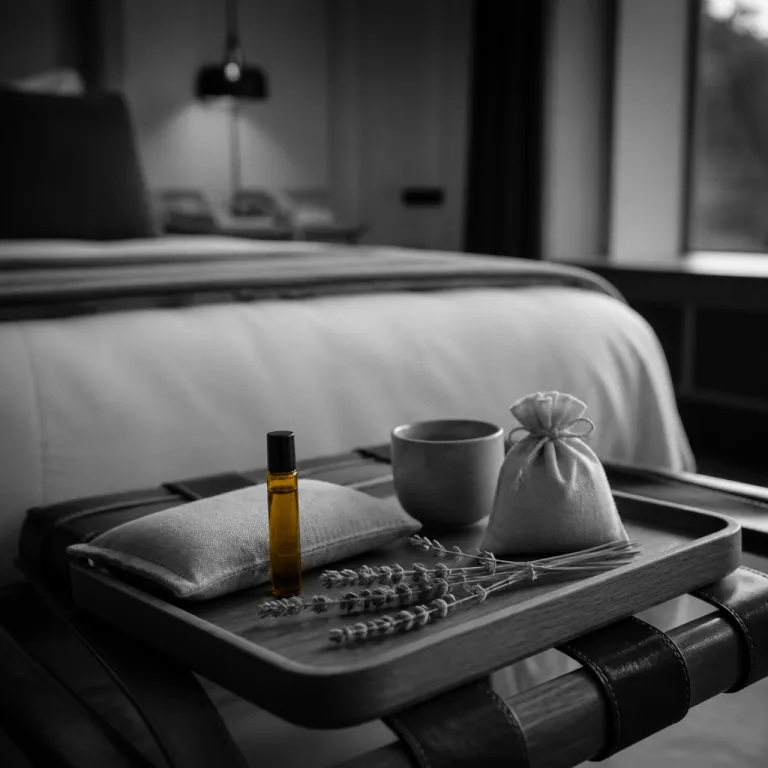
Why most hotel wellness retreats fail the week after check out
Most hotel wellness retreats feel transformative until the first Monday back. The wellness high collapses because the retreat experience rarely matches the pressure, pace and time constraints of real working life, especially for business leisure guests who return straight to meetings and flights. When you evaluate any wellness retreat after checkout, ask how the hotel plans for Day 8, not just Day 2, and whether they help you rehearse a routine that fits your real calendar.
Research on habit formation suggests that while a focused week can trigger change, it usually takes several weeks of repetition to consolidate new behaviours. A widely cited study by Lally and colleagues at University College London, for example, found that forming a new habit took participants a median of 66 days, with a range of 18 to 254 days depending on the behaviour. This helps explain why an average retreat duration of seven days is often enough to reset habits, yet not enough to hard wire them without structured follow up. Wellness Retreat Practitioners who design serious wellness programs now map the full journey as arrival, daily wellness activities and a defined departure and follow up phase, rather than treating checkout as the end of care. Their goal is clear: empower you to maintain health and wellness practices at home with tools, digital resources and support networks that feel realistic once emails and deadlines return.
For hotel guests, the best wellness experiences recognise that discipline at home is the real luxury. A strong wellness retreat will integrate yoga, spa rituals, fitness sessions and short workshops on nutrition and stress that can be replicated in a small apartment or a busy office, not just in a mountain resort. When retreats offer wellness activities that translate into a ten minute morning yoga meditation sequence, a simple day plan for meals and movement and a brief evening wind down, the retreat becomes a launchpad rather than an escape. As one corporate guest described after a recent stay, “The real gift wasn’t the massage; it was leaving with a 15 minute routine I could do in any hotel room between calls.”
What discharge looks like at serious medical wellness resorts
At medical grade wellness retreats such as SHA Wellness Clinic in Spain, Lanserhof in Austria and Germany, or Vivamayr in Austria, discharge is treated as a clinical handover, not a polite goodbye. Guests typically leave with a complete written plan that covers health markers, nutrition, fitness, sleep and stress, plus a schedule for remote consultations that extends the wellness retreat after checkout into daily life. Public case descriptions from these clinics often mention multi week follow up, with typical schedules of one video consultation every two to four weeks for the first three months. The best wellness resorts make this transition feel as carefully designed as the arrival ritual, with clear explanations of every recommendation.
Expect a structured folder or digital file that summarises your wellness programs, test results and the specific wellness activities that worked for you during the stay. At SHA, for example, the nutrition prescription is translated into simple recipes and portion guides that can be followed in any city, while Lanserhof and Vivamayr are known for detailed gut health protocols that acknowledge the reality of business travel and irregular hours. These healing retreats understand that the best time to secure long term adherence is the final day, when motivation is high and retreat hosts can still adjust the plan and answer questions about how to apply it at home. A typical pattern might be a 60 minute discharge consultation, a written protocol, then scheduled check ins at four, eight and twelve weeks to refine the plan.
For hotel based retreats that are less medical but still serious, look for a discharge process that mirrors this clarity. A lakeside property in Japan such as a refined onsen resort near Lake Kawaguchi, known for quiet comfort and hot spring bathing, shows how a resort can pair spa serenity with precise guidance on nervous system regulation and sleep hygiene for guests returning to urban offices; this kind of refined comfort at the lake becomes a template for home, not just a memory. When retreats offer clear next steps, including when to time a visit again for a shorter top up stay, the wellness retreat becomes part of a year round rhythm rather than a one off indulgence.
Remote follow up, supplements and the quiet science of staying well
The new luxury line in wellness retreats is drawn at follow up, not thread count. App based systems promise constant contact, yet the wellness retreat after checkout that truly works usually blends technology with practitioner based guidance anchored in real relationships. A hotel that simply pushes generic notifications about yoga or fitness will never match the impact of a named practitioner who knows your health history, work schedule and stress triggers and can adjust your plan accordingly. In internal surveys shared by several high end resorts, guests consistently rate personalised follow up as more valuable than additional spa treatments, even when both are included in the same package.
Serious wellness retreats now use apps as containers for personalised wellness programs, storing your yoga meditation sequences, breathwork audio, spa self care routines and short fitness videos that fit into a 20 minute window between calls. The most thoughtful retreat hosts schedule video consultations at the best time for your time zone, often weekly at first, then monthly as new habits stabilise, creating a sense of continuity that mirrors an in person resort experience. This is where the quiet science shift in luxury wellness becomes visible, with properties focusing less on spa days and more on nervous system regulation, sleep quality and sustainable health wellness practices that can be measured over time. A senior practitioner at one European medical spa summarised the change simply: “We used to sell weekends; now we design 90 day behaviour arcs.”
Supplements are the other fault line. A credible wellness retreat will explain every capsule in your take home kit, link it to specific lab data and set a clear duration, rather than turning the checkout desk into a retail counter. Before you book, read how the hotel talks about products; if the language is about care, dosage, review and evidence rather than upsell, you are in safer hands, and resources such as independent analyses of luxury wellness’s quiet science shift can help you frame the right questions. When a property refuses to sell more product than care, and instead offers structured reviews of your supplement plan during remote follow up, with typical cycles such as eight to twelve weeks for targeted support followed by reassessment, you know the wellness retreat is designed for long term health, not short term revenue.
Designing a wellness stay that survives your return to work
For business leisure travellers, the real test of any wellness retreat after checkout is whether the new routine survives the first red eye flight and board meeting. A hotel that understands this will shape every wellness experience around your actual calendar, not an idealised spa schedule. That means shorter, more intense fitness blocks, realistic meal plans and wellness activities that can be done in a standard room with no equipment, such as bodyweight strength, chair stretches and simple breathing drills.
Look for retreats where yoga sessions are offered at several times of day, including early morning and late evening, so you can test what will work once you are back in your own time zone. The best wellness retreats will coach you to build a personal growth micro routine, perhaps ten minutes of yoga meditation, five minutes of breathwork and a simple breakfast template, then rehearse it with you during the stay until it feels automatic. A practical example might be three minutes of gentle joint mobility, five minutes of sun salutations, two minutes of seated breathing and a breakfast of protein, fibre and hydration. When retreats offer workshops on topics such as managing jet lag, reading hotel menus or fitting movement into airport days, they are signalling that they understand the corporate frame.
Hotels that take service seriously now use precise time tracking and guest flow analysis to protect quiet hours, which is why a guide to how precise timekeeping in hotels elevates your stay can be surprisingly relevant to wellness planning. In practice, this means your spa appointments, yoga retreat style classes and even nature walks are scheduled to avoid peak noise and crowding, making it easier to associate these practices with calm rather than stress. When a resort invests in this level of operational detail, the wellness retreat becomes a training ground for how to carve out protected time blocks once you are home.
How to read a hotel’s wellness offer before you book
Before you commit to any hotel wellness retreat after checkout, read the programme description as if it were a contract with your future self. You are looking for evidence that the retreat experience has been designed for transfer, with clear tools, digital resources and support networks that extend beyond the resort gates. If the language stops at pampering and relaxation, the benefits will probably stop at checkout too, whereas mentions of follow up, coaching and measurable outcomes suggest a more serious approach.
A strong wellness offer will spell out how many one to one sessions you receive, what kind of personalised wellness plan you will take home and how long the remote follow up lasts. It should explain whether wellness activities include practical workshops on topics such as cooking, sleep, stress and movement, and whether these are recorded or summarised so you can revisit them later, which is crucial for year round application. Pay attention to whether the hotel mentions eco friendly practices, not as a marketing flourish but as part of a broader philosophy that respects both nature and your long term health, since properties that manage resources carefully often apply the same rigour to programme design.
Destination matters, but not in the way marketing suggests. A yoga retreat in Costa Rica, a healing retreat near hot springs in Japan or a programme in Chiang Mai can all be powerful, yet the decisive factor is how well the retreat hosts translate those experiences into home ready habits that fit your budget, whether you seek affordable wellness or the most exclusive suite. When you see clear guidance on the best time to return, realistic advice on how to maintain results and an honest stance on what they will not sell you, you have likely found a wellness retreat that will still be working quietly for you long after your suitcase is unpacked.
FAQ
What should I bring to a hotel wellness retreat to maximise results at home ?
Pack comfortable clothing that works for both yoga and light fitness, plus shoes suitable for nature walks or other outdoor activities. Bring a reusable water bottle, any essential personal toiletries and a notebook or app where you can capture key points from workshops and consultations. This makes it easier to apply the wellness programs and personalised advice once you leave the resort, and to build a simple checklist you can revisit during busy weeks.
How can I maintain wellness practices after the retreat when work gets busy ?
Use the personalised wellness plan and digital resources provided by the hotel to create a short daily routine that fits your schedule. Focus on a small set of non negotiables, such as ten minutes of yoga meditation, a consistent breakfast and a fixed bedtime, rather than trying to replicate the full retreat. As the dataset guidance puts it, "Utilize provided resources and integrate learned habits into daily life," and review your plan every few weeks to adjust it to changing workloads.
How do I evaluate whether a hotel’s wellness offer is credible ?
Check whether the programme includes individual assessments, clear health goals and structured follow up after checkout. Look for collaboration with qualified partners such as nutritionists, fitness trainers and local health experts, and for transparent explanations of any supplements or products. A credible retreat will emphasise long term health and personal growth over quick fixes or heavy retail sales, and will be willing to explain what their programme can and cannot realistically achieve.
Are shorter hotel wellness stays still worthwhile for business travellers ?
Even a three day stay can be valuable if the hotel focuses on practical skills and realistic routines rather than a packed schedule of treatments. For executives, the best wellness retreats compress assessment, coaching and rehearsal of new habits into focused blocks that can be repeated at home. The key is whether the retreat hosts provide a complete, simple plan and remote support that extends beyond the stay, so that a long weekend becomes the start of a sustainable wellness routine.
What is the typical structure of a serious wellness retreat in a hotel setting ?
Most structured retreats follow a three phase arc of arrival and orientation, daily wellness activities and a defined departure and follow up plan. During the stay, you can expect a mix of yoga, spa treatments, fitness sessions and educational workshops tailored to your health goals. The most effective programmes treat checkout as the start of a new routine, not the end of the wellness experience, and they back this up with written plans, scheduled reviews and clear guidance on how to adapt the protocol over time.