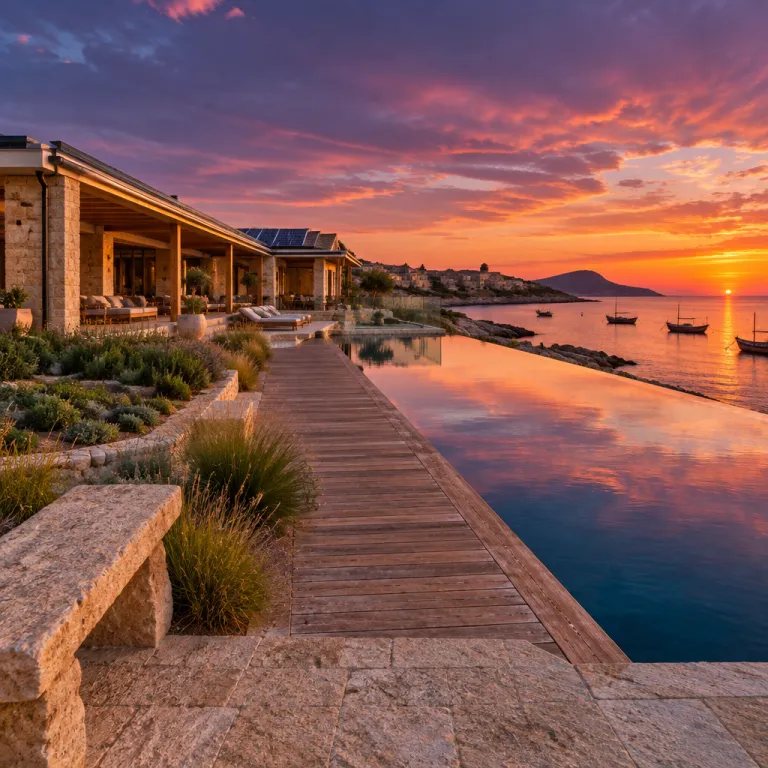
When responsible luxury tourism is more than a press release
World Tourism Day was designed as a celebration of tourism’s promise, yet for many luxury travellers it now feels like a mirror held up to the industry’s contradictions. Responsible luxury tourism only means something when a hotel’s sustainability claims translate into measurable conservation and real benefits for local communities, not just soft focus images of a smiling guest and a planted tree. If you care about sustainable travel and you are about to book a hotel, this is the moment to ask what your stay actually returns to the place you are flying in to enjoy.
The gap between sustainability marketing and regenerative practice is wide, especially in luxury tourism where language is polished and scrutiny is low. A property may talk about eco friendly design, sustainable luxury or luxury sustainable concepts, yet still import most ingredients, outsource low paid work and treat conservation efforts as a side project rather than a core part of hospitality. Responsible tourism in its serious form asks whether the hotel’s impact on water, energy, waste and land is low impact over the long term, and whether its travel experiences help restore natural systems instead of simply using them as a backdrop.
For a solo explorer used to curating their own travel experiences, the leverage is real and immediate. When you choose luxury hotels that publish sustainability reports, align with clear sustainable development goals and show audited data, you reward responsible behaviour and signal that responsible luxury is not a niche preference but a booking requirement. On World Tourism Day and every other day, responsible luxury tourism becomes a practical filter you apply before entering your card details, not a feel good label you read after check in.
Look closely at how hotels talk about local communities and you will often see the difference between charity and partnership. Token gestures might include a once a year donation or a photo ready visit to a nearby school, while genuine social responsibility shows up as long term employment, training programmes and local leadership in management roles. A hotel that treats its setting as a living economy rather than a stage set will talk about local suppliers, local artisans and local conservation projects with the same pride it reserves for its spa or its michelin starred restaurant.
Language is a useful early test for responsible luxury tourism because it reveals priorities. If a hotel’s sustainability page leans heavily on vague eco claims and light on numbers, you are probably looking at marketing rather than accountable sustainable development. By contrast, when a property explains how its real estate footprint has been limited to protect natural habitats, how its conservation efforts are funded by a fixed percentage of room revenue and how its travel sustainable strategy is reviewed each year, you are hearing the vocabulary of responsibility rather than aspiration.
Solo travellers are often told their choices do not matter, yet in luxury travel the opposite is true. High value bookings give you the right to ask detailed questions about sustainability, responsible tourism and the hotel’s wider impact on regional tourism. When enough guests ask the same questions about eco friendly operations, sustainable travel policies and responsible luxury outcomes, even the most image conscious hotel has to shift from slogans to substance.
From green gestures to regenerative hospitality
Most luxury hotels now have a sustainability page, but far fewer practice regenerative hospitality that leaves a destination better than they found it. The difference shows up in how deeply sustainable practices are woven into the guest experience, from the first enquiry to the final bill, rather than confined to a towel reuse card and a herb garden. For a traveller who values responsible luxury tourism, the question is not whether a hotel is eco aware but whether it is structurally committed to sustainable luxury in every department.
Regenerative properties treat land as a working landscape, not just a view, and that has direct implications for your stay. When a hotel invests in on site agriculture, soil health and water management, your breakfast becomes a lesson in sustainable development rather than a generic buffet, and your walks through the grounds reveal conservation rather than ornamental planting. If you want to see this mindset in action, look for hotels that treat their grounds as a permaculture pantry and explain how their land is a larder, not just landscape, a philosophy explored in depth in this analysis of hotels using their land as larder.
For solo travellers, these details change the feel of luxury travel in subtle but important ways. You might join a morning farm walk instead of a standard gym session, learning how low impact irrigation supports both the kitchen and nearby local communities, or you might taste how a michelin starred chef rethinks luxury tourism by building menus around indigenous crops. In these hotels, sustainable travel is not an add on but the organising principle that shapes experiences, staffing, sourcing and even the design of real estate on the site.
There is also a cultural dimension to regenerative hospitality that many sustainability brochures gloss over. A responsible hotel will treat local heritage as a living, evolving culture, inviting local musicians, storytellers and craftspeople to shape guest experiences rather than simply performing for them. When you see long term collaborations, co created events and shared decision making with local communities, you are witnessing responsible tourism that respects both natural and human ecosystems.
Energy and water systems are another clear lens for assessing responsible luxury. Properties that take sustainability seriously will talk about renewable energy, greywater recycling and building design that reduces cooling loads, all of which reduce the hotel’s environmental impact while maintaining comfort for every guest. When a hotel explains how these systems support development goals for the region, and how they align with national sustainable development plans, you can be confident that sustainability is not just a decorative word in the brochure.
As you compare hotels, notice whether eco friendly features are framed as sacrifices or as upgrades. The most forward thinking luxury sustainable properties show how natural materials, passive cooling and low impact lighting can actually enhance the sensory experience of a room, making it quieter, calmer and more attuned to its surroundings. That is where responsible luxury tourism feels less like restraint and more like a richer, more grounded way to travel.
What real local return looks like for luxury tourism
For all the talk of responsible luxury tourism, the real test is what your room rate funds once you leave. A hotel that takes social responsibility seriously will publish clear numbers on local employment, local procurement and conservation efforts, rather than hiding behind generic statements about giving back. When you see that a majority of staff, including managers, are hired from nearby towns and villages, you know your stay is supporting long term livelihoods rather than short term seasonal work.
Supply chains tell another part of the story, especially in luxury hotels where imported goods are often the default. Responsible tourism asks whether the hotel buys from local farmers, fishers and artisans, and whether those relationships are stable enough to support sustainable development in the wider region. If a property can show that most of its food, amenities and design elements are sourced locally, and that it pays fair prices over many years, your travel experiences become part of a broader development goals narrative rather than an isolated indulgence.
Conservation is where responsible luxury becomes most visible, particularly in fragile natural settings that attract high end tourism. Some hotels now back coral nurseries, reforestation projects or wildlife corridors, and the most credible ones invite guests to see these conservation efforts first hand rather than just reading about them in a brochure. For a sense of what meaningful hotel backed restoration can look like, examine case studies of coral, camp and farm projects supported by hotels that treat conservation as core infrastructure, not marketing.
As a solo explorer, you can ask very specific questions before you book a hotel. How many staff are on permanent contracts, and how many are from local communities, including leadership roles that shape the guest experience and the hotel’s strategy ? Does the property partner with local conservation organisations in a way that is low impact for wildlife and high impact for long term habitat protection ? These are not abstract queries ; they are practical filters that separate responsible luxury from standard luxury tourism wrapped in green language.
Real estate decisions also reveal how deeply a hotel understands its responsibility to place. A responsible property will limit its built footprint, cluster structures to preserve natural corridors and avoid sensitive habitats, even when that means fewer rooms and less short term revenue. When you see a master plan that protects wetlands, forests or coastlines and ties development to clear sustainable development goals, you are looking at a hotel that treats land as a shared asset rather than a blank canvas.
Food and beverage programmes can either reinforce or undermine these commitments. A michelin starred restaurant that flies in luxury ingredients from across the world while marketing itself as eco friendly is sending a mixed message, whereas a chef who builds prestige around indigenous produce, seasonal menus and low impact cooking methods is aligning gastronomy with responsible tourism. As a guest, you feel the difference not only on the plate but in the stories behind each dish, which connect your travel sustainable choices to the livelihoods and landscapes that make them possible.
The solo traveller’s leverage on World Tourism Day
World Tourism Day tends to generate glossy campaigns, yet for a solo traveller it can be a sharp tool. This is the moment to ask hotels direct questions about responsible luxury tourism, sustainable travel policies and how they measure impact beyond carbon offsets. When you treat your booking as a vote for or against responsible tourism, you turn a symbolic date into a practical accountability checkpoint.
Start with clarity on governance, because hospitality culture shapes everything else. A hotel that empowers its équipe to make decisions in line with sustainability goals is far more likely to deliver consistent responsible luxury than one that treats eco initiatives as a checklist, a dynamic explored in this analysis of how limited staff autonomy undermines service. When staff at every level can say yes to guest requests that support sustainable luxury, such as arranging low impact excursions with vetted local guides or adjusting operations to reduce waste, sustainability stops being a poster on the wall and becomes part of daily behaviour.
Before you confirm a reservation, send the hotel a short, pointed list of questions. Ask how they align with specific development goals, what percentage of their spend goes to local communities and how they track long term conservation outcomes linked to your stay. Their response time, level of detail and willingness to share data will tell you more about their commitment to sustainability than any marketing line about eco friendly values or luxury sustainable design.
Overtourism adds another layer of complexity, especially in destinations where luxury travel has driven up prices for residents. Exclusivity can either be a tool for load management, limiting visitor numbers to protect natural and cultural assets, or a form of gatekeeping that concentrates benefits inside the hotel walls. Responsible luxury tourism leans toward the first model, using pricing, minimum stay policies and timed access to spread impact, while ensuring that local communities still have access to key sites and that social responsibility remains central to planning.
Independent reviews matter more than ever on days built for industry self congratulation. When you read a critique that is free from sponsored content and grounded in repeat visits, you gain a clearer view of how a hotel’s sustainability narrative holds up under real world conditions. As a guest, you can contribute by sharing specific observations about eco systems, staff treatment and local partnerships, turning your individual experience into data that helps other travellers make better choices.
Responsible luxury is not about perfection, and no hotel will meet every ideal of sustainable development or conservation. What matters is transparency, a willingness to improve and a clear link between your spend and tangible benefits for people and nature. If World Tourism Day prompts you to ask harder questions, choose more carefully and reward hotels that treat responsibility as a daily practice rather than a marketing theme, then your next journey will carry a different kind of weight.
Key figures shaping responsible luxury tourism
- According to a report from Booking.com, more than 70 % of global travellers say they want to book more sustainable travel options, yet only around half find it easy to identify credible eco friendly hotels, highlighting the gap between demand and transparent information.
- Research from the World Travel & Tourism Council indicates that travel and tourism accounted for roughly 8 % to 11 % of global greenhouse gas emissions when supply chains are included, which underscores why low impact operations and conservation efforts at luxury hotels are critical to broader climate goals.
- A survey by Virtuoso found that a majority of high net worth clients are willing to pay a premium for sustainable luxury experiences, with many prioritising properties that show measurable benefits for local communities and long term conservation projects.
- Data from the United Nations World Tourism Organization links tourism directly to several Sustainable Development Goals, including decent work, responsible consumption and climate action, which means that every responsible luxury tourism decision can either support or undermine these development goals.
- Studies on overtourism in cities such as Barcelona and Venice show that unregulated tourism growth can drive up real estate prices and strain local infrastructure, reinforcing the need for responsible tourism models in which luxury hotels manage visitor flows and invest in community wellbeing.