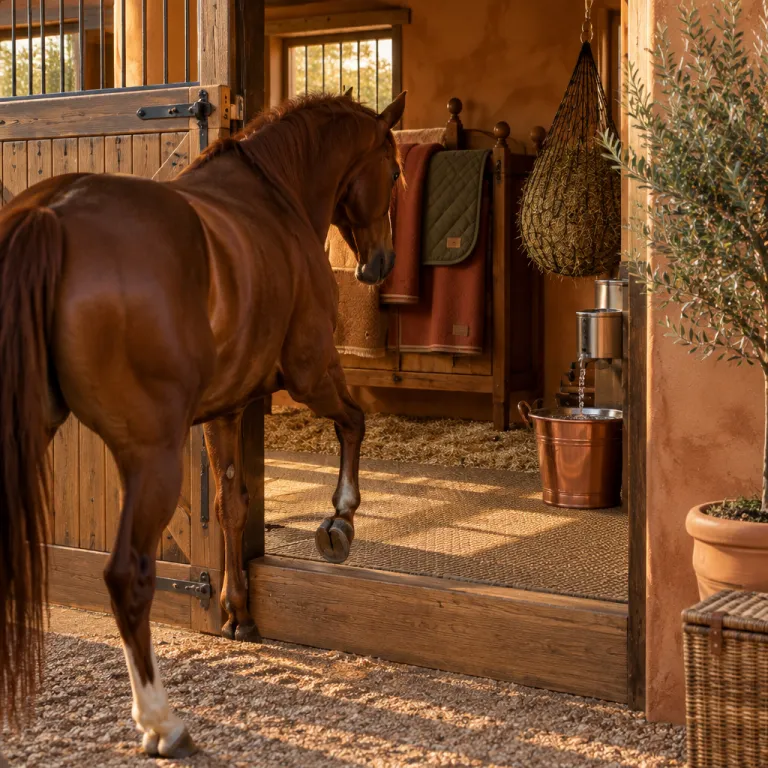
Equine hotels as a new standard for horse travel
Equine hotels have transformed how riders plan every long distance horse travel across North America. These specialized horse motels, ranch stays, and horse-friendly inns give you and your horse a calm, secure overnight stop that feels far removed from a basic roadside layover. For many equestrian guests, the right equine hotel turns a stressful night on the road into part of the journey’s pleasure.
When you read guest reviews about dedicated horse hotels, certain themes repeat with reassuring clarity. Travelers praise clear check in procedures, safe barn stalls, and overnight accommodations that keep both rider and horse rested for the next state or provincial leg. A well run equine lodging property also understands that traveling horses need quiet, ventilation, and routine, not just a spare paddock behind generic hotels.
Across North America, you now find an expanding list of equine hotels near major highways, showgrounds, and every type of equestrian center. Some are part of a working ranch located close to a national park, while others sit minutes from large cities yet feel rural and serene. For instance, horse motels near Lexington, Kentucky, or Ocala, Florida, often combine competition access with peaceful turnout. Well known examples include horse-friendly properties around the Kentucky Horse Park in Lexington and farms close to the World Equestrian Center in Ocala, where riders can stable horses overnight and still reach major arenas in minutes. Before you change location on your itinerary, it pays to view horse facilities online and confirm that the hotel offers exactly what your animals require.
Key features that separate true horse hotels from regular stays
A genuine horse hotel is designed around the horse first and the rider second. You should expect purpose built barn stalls, safe fencing, and overnight accommodations for humans that are located close enough to check on your horse without a long walk. The best equine hotels also provide clear lighting, secure tack storage, and easy trailer access so late night arrivals remain smooth.
Look for properties that offer flexible rooms for riders, from simple ranch style cabins to more refined hotel rooms with strong soundproofing. When you read detailed reviews, pay attention to comments about how staff handle traveling horses, whether the ranch located on site feels calm, and how clean the equine facilities remain after busy weekends. A thoughtful horse motel offers small touches such as early breakfast for competitors, laundry for horse gear, and maps to the nearest equestrian park or arena.
Many owners now maintain an articles blog where they share a curated list horse directory of trusted horse motel options along major travel corridors. These articles help you compare one equine hotel with another and decide where to stay overnight on multi day routes. To make this easier, keep a simple checklist when you compare properties: stall size and bedding, turnout options, trailer parking, distance in minutes from main roads, and access to veterinary support. Over time, this turns scattered notes into a practical route planner for future trips.
From working ranch to refined retreat: choosing your equine setting
Not every traveler wants the same style of equine hotel, and that is a strength. Some riders prefer a working ranch located on open land, where they can view horse herds grazing at sunset and feel part of daily farm routines. Others seek hotels with polished interiors, where the equestrian facilities sit discreetly behind the main building yet remain highly functional.
On a traditional ranch, overnight accommodations might include rustic cabins, simple rooms in a main lodge, or self contained apartments near the barn stalls. These properties often sit minutes from trailheads or a regional park, making them ideal for riders who want to extend their stay and ride out directly from the farm. In contrast, an equine hotel near a major equestrian center may focus on efficient horse boarding, covered arenas, and quick access to competition venues rather than long trail rides.
When you compare options, think about how each hotel offers a different rhythm to your travel days and nights. Some ranch stays emphasize campfire dinners and long hacks, while urban edge hotels might highlight fitness centers and nearby restaurants after evening barn checks. Whether you favor ranch stays or city-adjacent hotels, ensure the horse boarding standards never slip beneath your expectations.
Planning an overnight route across north America with equine hotels
Long distance horse travel across North America requires more than a simple map and a trailer. You need a realistic list horse plan that matches your horse’s fitness, your own stamina, and the spacing of reliable equine hotels along the route. Most riders aim for segments of several hours, then schedule an overnight stay at a trusted horse motel or ranch located near main highways.
Start by plotting equine hotels that are located within minutes of your planned exits, reducing stress after a long day on the road. Read recent reviews to confirm that overnight accommodations remain consistent, that barn stalls are available for your dates, and that the hotel offers safe parking for rigs. If you must change location at short notice because of weather or traffic, having a backup list of horse hotels within the same state or neighboring region is invaluable.
Experienced riders often keep a personal articles blog or notebook where they record each hotel, the quality of horse boarding, and any issues with traveling horses at that stop. Over time, this becomes a private guide to the best horse options for future travel, from small farm stays to larger hotels with extensive equestrian facilities. One competitive rider who hauls between Alberta and Arizona each winter, for example, keeps a handwritten log of every overnight stop, rating stall cleanliness, trailer access, and staff responsiveness; after several seasons, that log has become her most trusted route planner.
Evaluating safety, welfare, and comfort for traveling horses
When you arrive at any equine hotel, walk the property before unloading your horse. Assess the barn stalls for secure latches, adequate bedding, and ventilation that keeps ammonia levels low throughout the stay. A responsible hotel offers fresh water, safe footing, and clear separation between unfamiliar horses to reduce stress.
Look beyond the stables to evaluate turnout areas, fencing, and how close the rooms are located to the barns for quick checks. You should be able to view horse areas easily from key paths or windows, without needing to cross dark or unsafe zones at night. In many top hotels, staff are trained to notice signs of distress in traveling horses and will contact you promptly if anything seems unusual.
For your own comfort, confirm that overnight accommodations are quiet, clean, and equipped for early departures or late arrivals. Some hotels and ranch properties offer simple extras such as boot dryers, hooks for saddles in the room, and information about the nearest equestrian center or veterinary clinic. These details may seem small, but they add up to a smoother stay for both horse and rider and can make the difference between a restless night and a genuinely restorative stop.
How to read reviews and compare equine hotels with confidence
Online reviews are essential when choosing between equine hotels that may look similar at first glance. Focus on detailed comments about horse boarding, cleanliness of barn stalls, and how staff handled any issues during the stay. Short remarks about price alone tell you far less than a thorough description of overnight accommodations for both horses and humans.
When you read multiple reviews for the same horse hotel, look for patterns rather than isolated complaints. Consistent praise for safe fencing, calm atmospheres, and well lit parking suggests a property that understands traveling horses and their owners. Repeated concerns about dirty stalls, confusing access, or a ranch located too close to noisy roads should prompt you to change location in your plans.
As you compare hotels, keep notes on each state or region, the time in minutes from main routes, and any special offers that might enhance your travel budget. Some properties specialize in short overnight stays, while others position themselves as extended farm retreats with riding lessons or access to a nearby equestrian center. Over time, your personal list horse guide will help you identify the top equine hotels that consistently align with your standards for safety, comfort, and hospitality.
Key statistics about equine travel and horse friendly stays
- According to the American Horse Council’s 2017 National Economic Impact Study, the United States alone is home to approximately 7.2 million horses, and a significant share participate in events or travel for seasonal work, which drives demand for safe overnight accommodations along major routes.
- Industry surveys from the United States Equestrian Federation, including membership travel summaries published in 2019, indicate that many competitive riders may travel with horses between 10 and 20 times per season, making reliable equine hotels and motels a recurring necessity rather than an occasional luxury.
- Data summarized by several state tourism boards, such as the Colorado Tourism Office’s agritourism updates and Kentucky’s 2022 equine tourism briefs, show that rural ranch and farm stays, including properties offering boarding for traveling horses, have grown faster than traditional hotels in many regions, reflecting a wider interest in equestrian experiences.
- Insurance providers that specialize in equine policies report that well maintained barn stalls, clear fire safety measures, and documented horse boarding procedures significantly reduce claims related to accidents during travel stays, reinforcing the value of rigorous standards at horse-friendly lodging.
FAQ about equine hotels and horse friendly travel
How do I find reliable equine hotels along my route ?
Start with national and regional directories focused on horse travel, then cross check each hotel on independent review platforms and equestrian forums. Confirm that the property offers proper barn stalls, secure fencing, and overnight accommodations for riders before you book. Calling the hotel directly to ask detailed questions about traveling horses often reveals how experienced the team really is.
What should I ask a horse hotel before booking ?
Ask about stall size, bedding type, turnout options, and whether the ranch located on site has staff available after hours. Confirm trailer parking, distance in minutes from main roads, and any vaccination or paperwork requirements for your horse. It is also wise to ask how many horses the hotel can host at once, especially during busy show seasons.
How far can I safely travel with a horse in one day ?
Most veterinarians recommend planning regular breaks every few hours and limiting total daily travel time, especially in hot weather. The exact distance depends on your horse’s age, health, and experience with travel, so consult your own vet for tailored guidance. Use these recommendations to space equine hotels or horse motels at sensible intervals along your route.
What should I pack for an overnight stay with my horse ?
Bring your own feed, hay if possible, water buckets, and any medications or supplements your horse needs. Many riders also pack spare halters, extra lead ropes, and basic first aid supplies in case of minor issues during the stay. Even if the hotel offers some supplies, having familiar items helps keep traveling horses calmer in new environments.
Can non riders stay at equine focused hotels ?
Yes, many equine hotels and ranch properties welcome non riders who simply enjoy rural views and quiet surroundings. These guests stay in regular rooms or cabins while sharing the property with horses and riders, often with clear separation between guest areas and barns. If you are sensitive to animal dander or noise, ask the hotel about room locations before confirming your booking.