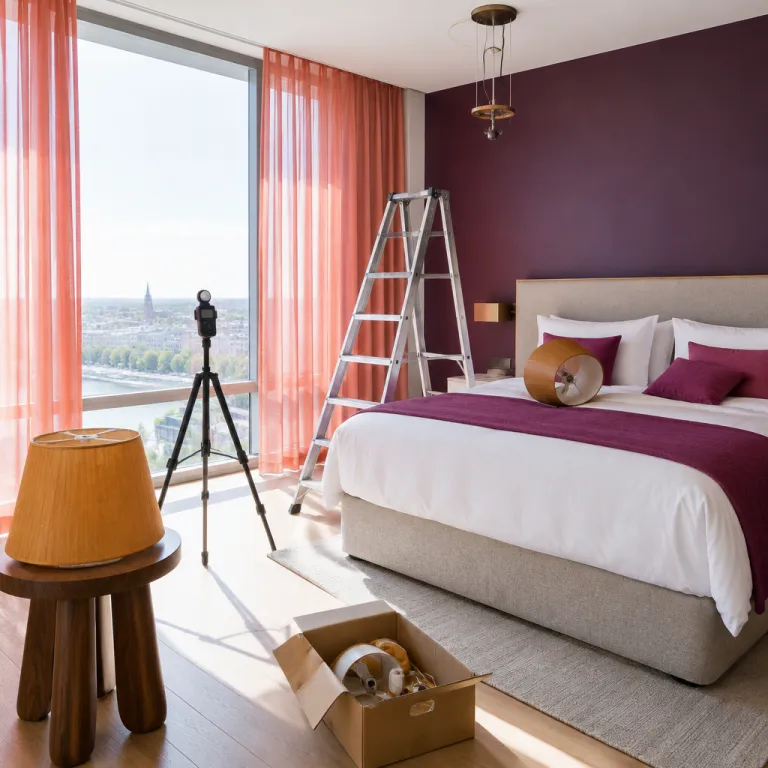
Why light, not furniture, decides how a hotel room feels
Walk into any luxury hotel and your eye goes first to furniture, but your mood responds to lighting before you even notice the sofa. The most sophisticated hotel lighting design treats every guest room as an emotional instrument, using each light, each shade of color and every reflection to tune how the space feels from the first step inside. When hotels forget this, even high quality materials and expensive rooms feel strangely flat.
In well considered hotel spaces, designers start with light sources rather than décor, then let furniture follow the glow. They map how a guest will move through the room, from the entrance to the bed, desk, lounge areas and bathroom, and then choreograph lighting fixtures to support that journey. The result is a hospitality experience where the property feels calm, legible and quietly luxurious, even before you notice the brand of lamps or the thread count on the sheets.
Think of lighting as the invisible architecture of a hotel room, defining space, height and intimacy. A single overhead light flattens everything, while layered room lighting creates depth, softness and a sense of privacy that couples instinctively respond to. When you explore different hotels, notice how the best ones use accent lighting to graze architectural features, guide you to the bed and gently separate functional areas without a single raised voice of glare.
The craft of layered hotel lighting: ambient, task and accent
At the top end of hospitality, lighting design is built on three layers that work together rather than compete. Ambient lighting provides the overall wash of light in hotel rooms and shared spaces, task lighting focuses on specific activities like reading or working, and accent lighting highlights art, textures or architectural features that give the property character. When these three are balanced, a hotel room feels intuitive to use and quietly flattering to be in.
For couples, the difference between a merely expensive hotel and a genuinely romantic one often lies in how these layers are dimmed and tuned. Warm color temperature in the evening, around 2700 to 3000 Kelvin, makes skin tones look softer and encourages guests to slow down, while cooler color during the day keeps a guest room feeling fresh and awake. Look for bedside lamps with separate controls, bathroom lighting that combines ambient task balance around the mirror, and subtle accent lighting that lets one partner read while the other drifts to sleep.
Thoughtful room lighting also respects natural light, rather than fighting it with aggressive fixtures. Sheer curtains, adjustable blinds and carefully placed lamps allow you to modulate daylight in hotel spaces, so the room shifts gracefully from bright morning energy to low evening intimacy. If you care about indulgent bathing rituals, pay attention to how bathroom lighting is handled and consider guides on choosing a hotel with a bathtub that truly feels indulgent, because the same principles of light, reflection and color temperature apply there as well.
Daylight, the six o’clock hour and the choreography of a stay
The most accomplished lighting hotel projects think in time, not just in space. They design for the way a guest actually lives through a day on property, from early arrival to late night return, and they let natural light lead the choreography whenever possible. In a luxury hotel that understands this, you feel gently carried from morning clarity to evening softness without ever touching a harsh switch.
Morning should feel honest, with curtains that welcome natural light into the hotel room and lamps that lift shadows rather than overpower them. By late afternoon, especially around that revealing six o’clock hour, accent lighting begins to take over, skimming across stone, timber and other architectural features so the materials start to glow from within. If you are interested in how materials and light speak together, it is worth reading about how top hotels speak through stone, timber and light, because the same thinking underpins the best hotel lighting strategies worldwide.
After dark, the most refined hotels avoid a single dominant ceiling fixture and instead rely on multiple low level light sources. Floor lamps, bedside lamps and integrated lighting fixtures in joinery create pools of ambient lighting that make rooms feel intimate rather than exposed, which matters enormously for couples seeking privacy. When a property gets this right, you barely notice the design, only the way the space seems to anticipate each moment of your stay.
The quiet test: bad lighting in expensive rooms
Nothing reveals a hotel’s priorities faster than how it lights its bathrooms and mirrors. Perfect marble and designer taps mean little if bathroom lighting throws hard shadows across your face or uses a color temperature so cold it feels like a clinic, because that undermines the entire hospitality experience. For a couple preparing for dinner, this is where the promise of a luxury hotel either holds or falls apart.
In a well resolved guest room, mirror lighting comes from both sides at eye level, with ambient lighting overhead kept soft and indirect. This combination of ambient task balance avoids the raccoon eye effect and lets both guests get ready in comfort, while accent lighting on shelves or niches adds a quiet sense of theatre. When you explore renovation photos or marketing images, look closely at these areas, because they reveal whether the lighting company and design team truly understood how people live in rooms rather than just how they photograph them.
There is also a practical test you can run the moment you enter any hotel room. If the first switch you touch floods the space with unforgiving light and you have to cross the room to find softer lamps, the lighting design has failed the arrival moment. By contrast, when a property offers intuitive controls, layered room lighting scenes and dimmable fixtures that let you tune the space within seconds, you feel the difference in your body before you can explain it in words.
Intimacy, couples and choosing hotels by their light
For couples, the most memorable stays are rarely about the biggest suite but about how a room makes you feel together. Hotel lighting design that understands intimacy will always prioritise low level ambient lighting, flexible task lighting at each side of the bed and the ability to move through the space without waking a sleeping partner. This is where high quality lighting fixtures and thoughtful control layouts become as important as any amenity on the list.
Look for hotels that speak openly about their lighting design, their collaboration with a specialist lighting company or their focus on guest room comfort, because that transparency usually signals serious intent. When you explore guides to experimental concepts such as how a SCOBY hotel concept can inspire your next hotel stay, you will notice that the most forward thinking properties treat light as a living material rather than a technical afterthought. The same mindset often leads to better room lighting, more responsive hotel spaces and a more coherent experience from lobby to corridor to suite.
As you compare hotels, pay attention to photos that show multiple lamps, visible dimmers and a clear separation between functional areas in the space. Notice whether accent lighting gently defines the sleeping zone, the lounge corner and the work surface, and whether bathroom lighting looks calm rather than clinical. When you start choosing properties with your eye tuned to light, you will quickly separate hotels that merely look luxurious from those that feel that way every minute you are inside them.
How to read photos and reviews for lighting clues
Most booking sites do not let you filter by lighting, so you need to read between the pixels. In photos, scan the ceiling first ; a forest of downlights usually means glare, while concealed coves, wall lamps and floor lamps suggest a more layered approach to hotel lighting. Check whether windows are generous, curtains look substantial and natural light appears to reach deep into the rooms rather than stopping at the glass.
Reviews can also reveal a great deal about lighting design if you know what to look for. Comments about rooms feeling cosy, calm or restful often signal successful ambient lighting and well judged color temperature, while complaints about harsh light, bright blue bathroom lighting or confusing switches point to deeper design issues. When several guests mention struggling with makeup in the bathroom or reading in bed, you can safely assume that task lighting and bathroom lighting were not given enough attention during renovation.
Finally, remember that every property makes choices about where to invest, and lighting is a reliable indicator of overall priorities. Hotels that care about the emotional arc of a stay will invest in high quality lighting fixtures, thoughtful control systems and a coherent approach to light across all areas, from lobby to corridors to each hotel room. When you find a luxury hotel where the lighting feels effortless on a second visit as much as on the first, you have probably found a place that understands hospitality at a deep level.
FAQ
How can I tell from photos if a hotel has good lighting design ?
Look for multiple light sources at different heights rather than a single ceiling fixture. Photos that show warm pools of light, visible lamps and soft reflections usually indicate layered ambient lighting, task lighting and accent lighting. If the room appears evenly flat and very bright, the lighting may feel harsh in person.
What is the best color temperature for a comfortable hotel room ?
For relaxation, warm color temperature around 2700 to 3000 Kelvin is ideal. This range flatters skin tones, makes materials feel richer and helps couples unwind after travel. Cooler light is better reserved for work areas or morning use, not for evening ambience.
Why is bathroom lighting so important when choosing a hotel ?
Bathroom lighting directly affects how you see yourself in the mirror and how comfortable grooming feels. Good design combines soft ambient lighting with focused task lighting at face level on both sides of the mirror. Poor bathroom lighting can make even a luxury hotel feel uncomfortable and undermine the sense of indulgence.
Are dimmers really necessary in a hotel room ?
Dimmers are one of the simplest ways to adapt a room to different moods and times of day. They let you shift from bright, functional light to soft, intimate ambience without changing fixtures. In higher end hotels, the presence of dimmers is often a sign of more thoughtful overall lighting design.
What should couples prioritise in hotel lighting for a romantic stay ?
Couples should look for warm, adjustable lighting, separate bedside controls and minimal overhead glare. Multiple lamps, soft accent lighting and well designed bathroom lighting all contribute to a more intimate atmosphere. When these elements are present, even a modest room can feel quietly luxurious and deeply relaxing.