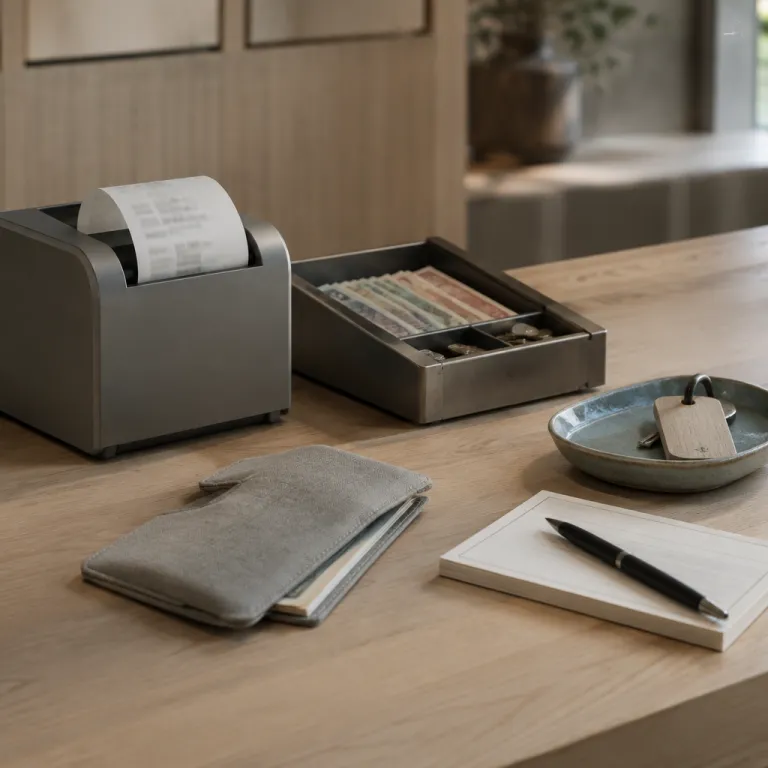
Do hotels accept cash and how policies are changing
Many travellers still ask whether hotels accept cash at check in. Larger hotel chains increasingly prefer a card based payment model, yet a significant number of independent hotels accept cash payments under strict conditions. Before you stay in a hotel for even a single night, you need to understand how cash, card and mixed payments really work.
Most city centre hotel properties now require credit cards or debit cards at booking, even if you plan on paying cash later. This allows the hotel to place a temporary deposit hold that covers incidentals, late check out or a no show cancellation. When you arrive and check in, you can often pay cash for the room while the card remains on file as a security guarantee for the stay.
Policies differ widely between hotels, so never assume that all properties accept cash in the same way. Some hotels will only accept cash payments from local guests, while others insist that international travellers pay hotel charges with credit cards. A few roadside motels and small inn style properties near highways still welcome paying cash with no card at all, but they usually limit extended stay bookings and may require a higher cash deposit. For example, one mid range US chain states in its published policy that “cash is accepted at check out only; a valid credit or debit card is required at check in for the full stay plus incidentals.”
How to confirm whether a hotel will accept cash
The safest approach is to check the payment section of the hotel website before you book. Look for clear language about whether the hotel will accept cash at check in, whether they require credit cards for reservations and how much the security deposit will be. If the wording is vague, contact the property directly and ask about paying cash, card only payments and any extra conditions for an extended stay.
When you call or email, be specific about how you plan to pay hotel charges. Say that you want to pay cash for the room, and ask whether they require credit or debit cards only for the deposit or also for nightly payments. Clarify whether the hotel offers free cancellation when you use cash payments, because some hotel cash policies treat refundable and non refundable rates differently.
For travellers who rely mainly on cash, it helps to choose properties that openly advertise flexible payment options. Guides such as this detailed resource on how to book a hotel when you want to pay in cash can help you shortlist suitable hotels. Once you have a list, compare how each hotel handles cash deposit rules, whether they accept debit card instead of a credit card and how they manage weekly monthly or long term reservations.
Why many hotels require a card even when you pay cash
From the hotel perspective, a card on file reduces financial risk and speeds up payments. When hotels accept cash without any card, they carry more exposure to unpaid incidentals, room damage or guests who extend a stay without settling the bill. This is why many hotels require credit cards or at least debit cards for every reservation, even if you intend to pay cash at check out.
Modern hotel management systems are built around digital payments, automated pre authorisations and instant refunds. A credit card or debit card allows the hotel to place a pre arrival cash deposit equivalent, then release it quickly once staff check the room after your final night. If you only use cash payments, the hotel must hold a physical cash deposit and count it manually, which increases labour and security costs for the inn or suites property.
Design led properties and luxury stay hotels also use card based payments to streamline the guest journey. Many of these hotels accept mobile wallets and virtual credit cards, but they may not accept cash at all for long term or extended stay bookings. In destinations where quieter, slower travel is growing, such as the new openings highlighted in this analysis of how Venice is shifting toward more tranquil high end stays, guests increasingly expect seamless digital payments from check in to check out.
Cash deposits, incidentals and how much you should expect to pay
When a hotel agrees to accept cash, the next question is usually about the deposit. Many hotels that allow paying cash will ask for a larger cash deposit than they would hold on credit cards, because they cannot charge incidentals later. For a standard night in a mid range city hotel, the cash deposit can easily equal the room rate plus an extra amount per night for potential extras.
As a rough example, a budget motel might request a cash deposit of around 25–50 USD per night on top of the room rate, while an upscale urban hotel could ask for 100–200 USD per night to cover parking, minibar use or room service. Always ask the hotel to check and confirm the exact cash deposit before you travel. Some hotels accept cash only if you also provide a valid credit card or debit card, which they keep on file in case the cash deposit does not cover all payments. If you do not have any cards, focus your search on independent hotels, roadside inn suites and smaller properties that openly advertise that they accept cash without requiring guests to provide credit cards.
Remember that deposits are separate from the actual room payment. You might pay cash for the full stay at check in, then leave a cash deposit that the hotel returns after staff check the room on departure. If you damage something or use chargeable services, the hotel will deduct those payments from the cash deposit, so always request a printed statement when you pay hotel charges and when you receive any remaining cash back.
Extended stay, weekly monthly rates and long term guests paying cash
Cash policies become stricter when you book an extended stay or long term accommodation. Many extended stay hotels and serviced suites insist that guests provide a valid credit card, because the financial exposure over several weeks is far higher than for a single night. Even if these hotels accept cash for part of the bill, they often require credit or debit cards for the initial deposit and for any unpaid balance.
If you plan a weekly monthly stay hotel arrangement, discuss payment structure in detail before you sign anything. Ask whether you can pay cash at the start of each week, whether the property will accept cash payments for all charges and whether they require credit cards only as a backup. Some inn properties allow paying cash for rent while charging incidentals to debit cards, but others insist that long term guests keep a credit card on file at all times.
Look carefully at cancellation rules for extended stay bookings. A hotel might offer free cancellation when you book a short stay with a card, yet apply stricter cancellation terms when you pay cash for a discounted weekly monthly rate. If you need maximum flexibility, choose hotels that combine free cancellation with clear written policies about how they handle cash deposit amounts, partial payments and any change to the length of your stay.
Practical tips for paying cash at hotels without stress
Planning ahead makes paying cash at hotels far easier and safer. Start by choosing a hotel that clearly states that they accept cash, then email the front desk to confirm how much you must pay cash on arrival and whether they require credit or debit cards as well. Print or save this confirmation so you can show it at check in if staff are unsure about the policy.
Quick checklist before you arrive
- Check the hotel website for payment and deposit rules.
- Call or email to confirm that they accept cash and ask for the exact deposit.
- Ask whether a credit or debit card is still required and for which charges.
- Request written confirmation of the policy and keep it on your phone.
- Bring organised notes and ask for itemised receipts at check in and check out.
Sample email you can adapt
“Hello, I have a reservation for [dates] under the name [full name]. I would like to pay for my stay in cash. Could you please confirm in writing whether cash is accepted at check in, whether a credit or debit card is also required, and the exact amount of any deposit or hold? Thank you.”
When you arrive, keep your cash organised and ask the receptionist to check every amount in front of you. Request an itemised receipt that shows the room rate, any cash deposit, taxes, resort fees and the total you are paying cash on that day. Throughout your stay, avoid charging extras to the room unless necessary, because this keeps your final payments simple and reduces the risk of disputes when you check out. Guests who value design, calm and clarity may prefer properties that explain their payment philosophy as carefully as their architecture. Articles such as this piece on architect led hotel design as a differentiator show how thoughtful operators handle every detail, including how guests pay hotel bills. Whether you choose a city inn, resort suites or a quiet stay hotel, always align your expectations about cash payments, cards and deposits with the written policy before you hand over a single banknote.
Key statistics about hotel payment trends
- According to a 2023 survey by the American Hotel & Lodging Association, more than 80 % of hotels in major US cities now require a credit card or debit card at booking, even if guests intend to pay cash at check out (see the AHLA “State of the Hotel Industry 2023” report on the association’s official website for full details).
- Data published by Mastercard in 2022 shows that contactless and digital card payments in hospitality increased by roughly one third compared with pre pandemic levels, which helps explain why fewer hotels accept cash as their primary payment method (summarised in Mastercard’s publicly available “Recovery Insights” series).
- Research released by the UK Competition and Markets Authority in 2021 indicates that properties offering free cancellation with card based reservations achieve higher occupancy rates than hotels relying mainly on walk in guests paying cash (outlined in the CMA’s hotel and online travel agent market studies).
- Extended stay and weekly monthly accommodation providers report in industry benchmarking studies from 2020–2023 that long term guests who use credit cards or debit cards for recurring payments are less likely to default than those who rely solely on cash payments (figures referenced in sector reports from major hospitality analytics firms).
FAQ about paying cash at hotels
Do most hotels still accept cash at check in ?
Many hotels still accept cash, but fewer rely on it as the only payment option. Large chains usually require a credit card or debit card for the deposit, then allow guests to pay cash for the room at check out. Independent inns and smaller stay hotels are more likely to accept cash without any card, yet they often ask for a higher cash deposit per night.
Why do hotels require a credit card if I am paying cash ?
Hotels require credit cards or debit cards to protect themselves against unpaid incidentals, room damage or no show situations. A card allows the property to place a temporary hold instead of taking an even larger cash deposit, which is safer for both sides. When you pay cash for the room, the hotel simply adjusts the card hold to cover only potential extra payments.
Can I book a hotel room without any card at all ?
It is possible, but your options are limited to certain inns, motels and independent hotels that accept cash only bookings. These properties usually do not offer free cancellation and may insist that you pay hotel charges for at least one night in advance. Always call ahead, because many stay hotels that once allowed paying cash without cards have tightened their policies.
How much cash deposit should I expect to leave ?
The cash deposit varies by hotel category, location and length of stay. For a standard city inn or suites property, expect a cash deposit roughly equal to one night plus an additional amount per night for incidentals. Extended stay and long term bookings can involve much higher deposits, especially when guests do not provide any credit cards or debit cards.
Does paying cash affect my right to free cancellation ?
Some hotels link free cancellation to card based reservations, because it is easier to refund a credit card or debit card than to return a cash deposit. When you pay cash, the hotel might offer more restrictive cancellation terms or require you to cancel earlier to receive a full refund. Always read the rate conditions carefully and ask the property to confirm how free cancellation works when you pay cash instead of using cards.