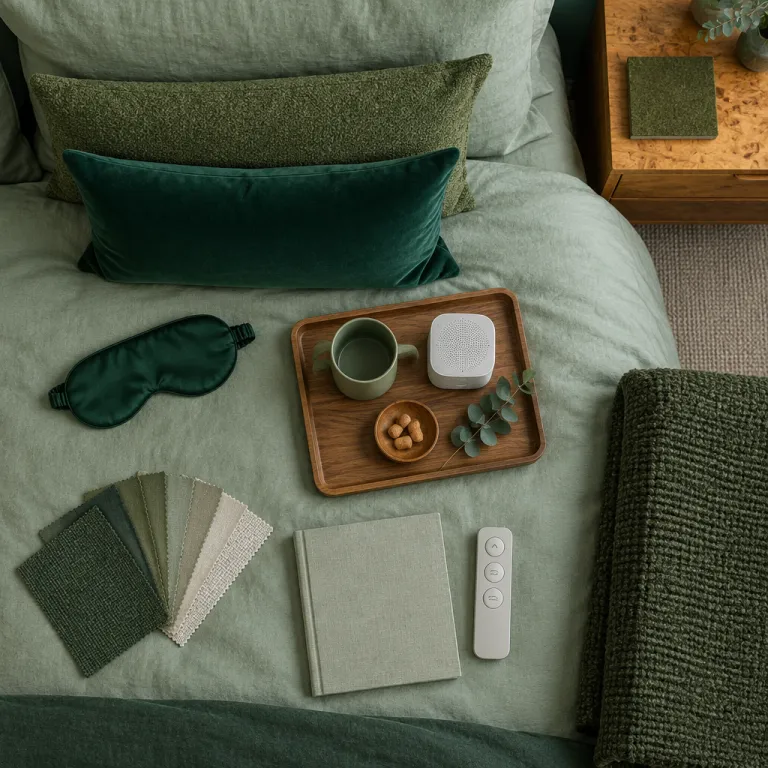
Why sleep is the new measure of true luxury
Sleep has quietly become the most coveted amenity in any serious luxury hotel. When a property promises wellness today, discerning guests now read that as a promise of a protected night of deep rest rather than a longer spa menu. The most interesting sleep tourism luxury hotel concepts understand that a single good night can reset your entire travel rhythm.
Across the tourism industry, executives admit that delivering consistent night sleep is harder than adding new spa treatments or a larger wellness resort fitness wing. A massage lasts an hour, but a full sleep experience stretches across every touchpoint of hospitality, from the moment you book to the moment you fall asleep in the room. That is why the best hotels now treat sleep quality as a core KPI, not a soft wellness gesture.
For solo travelers, this shift is especially powerful because a quiet room and reliable room sleep can matter more than a flashy lobby or crowded bar. When you travel alone for work or restoration, you feel every sound, every corridor echo, every badly sealed window during the night. A rest first hotel turns that vulnerability into care, offering a kind of luxury that is almost invisible yet unmistakable when you wake with better sleep and a clear head.
What rest first design really means in practice
Rest first design starts with architecture, not aromatherapy, and the best sleep tourism properties know this. Walls are properly insulated, doors are weighty, and corridors are carpeted so that guests can move at night without broadcasting every step to the next room. True luxury here is the silence you notice only when you realise you slept through the usual 3 a.m. wake up.
In a serious sleep tourism luxury hotel, blackout is not a curtain suggestion but a system, with layered fabrics, sealed edges, and thoughtful orientation of each room away from intrusive street light. Temperature control is engineered for micro adjustments, allowing each guest to fine tune the room sleep environment to a personal comfort band rather than a generic setting. Air quality is filtered, humidity is monitored, and circadian lighting shifts gently from warm ambers at night to cooler tones in the morning to support quality sleep.
Some wellness resort pioneers go further, integrating spa treatments that directly support better sleep instead of just daytime pampering. At properties such as Hakone Hotel Kowakien in Japan, a serene onsen retreat that exemplifies integrated wellness, hydrotherapy rituals are timed to help the body unwind before a quiet night. The message is clear for anyone looking to book such hotels for solo travel, because the spa becomes a pre sleep program rather than a separate attraction.
From marketing to engineering: when a sleep program actually works
Many hotels now advertise a sleep program, yet only a fraction treat it as serious engineering rather than marketing language. A credible sleep tourism luxury hotel will publish clear details about mattress construction, pillow menus, and acoustic ratings instead of vague promises about relaxation. The difference shows the moment you close the door and feel the room settle around you.
Look for properties that link spa treatments, in room rituals, and wellness coaching into a coherent sleep experience rather than scattered amenities. At some wellness resort leaders, therapists coordinate with housekeeping so that turndown timing, lighting scenes, and even minibar contents support a good night rather than sabotage it with late caffeine. This is where hospitality becomes almost clinical in its precision, yet still feels warm and human.
Long stay suites such as those at Fort Marcy Hotel Suites in Santa Fe, often highlighted for their comfort and space, demonstrate how generous layouts and quiet residential surroundings can elevate sleep quality for solo guests. When you travel alone, having a separate living area means you can unwind without turning the bed into an office, which helps your body associate the room with rest. That simple separation, combined with thoughtful temperature control and blackout, often does more for night sleep than any scented pillow spray.
How to read a room for sleep before you book
Evaluating a hotel for sleep starts long before check in, and the best solo travelers now treat this as a skill. When you book, study floor plans and request a room away from elevators, service corridors, and late night venues that might disrupt rest. Higher floors often mean less street noise, but corner rooms can sometimes pick up more sound from multiple directions.
Photos and guest reviews can reveal how seriously a property takes room sleep, especially when travelers comment on blackout, quiet air conditioning, and mattress comfort. Look for mentions of temperature control that is both responsive and silent, because a noisy fan can undo even the best spa treatments by waking you repeatedly during the night. Pay attention when guests praise the hotel for a consistently good night rather than just a dramatic lobby or pool.
For a deeper read, scan how the hotel talks about wellness and sleep tourism on its own site and social channels. If the language focuses only on spa menus and rooftop yoga without mentioning sleep quality, you are likely seeing wellness as décor rather than engineering. A more serious sleep tourism luxury hotel will discuss air filtration, soundproofing, and lighting design with the same pride usually reserved for restaurants or views.
Where sleep tourism is heading: quiet, solo, and deeply personal
The most interesting frontier in wellness is not another dramatic spa but the quiet recalibration of the guest room as a personal sleep lab. Properties such as Equinox Hotel in New York, Park Hyatt outposts with advanced in room controls, and wellness focused retreats like Carillon Miami Wellness Resort or Six Senses Ibiza are setting new benchmarks. They treat each room as a cocoon where solo guests can arrive late from travel, reset their circadian rhythm, and wake feeling unexpectedly restored.
In these hotels, sleep tourism is not a gimmick but a framework that shapes everything from check in timing to minibar curation. You might find chilled magnesium drinks instead of sugary sodas, dimmable circadian lighting scenes instead of harsh overheads, and spa treatments scheduled to taper stimulation as night approaches. The quietest luxury is often the one you cannot photograph, like the way a perfectly calibrated mattress and duvet hold you at the right temperature until morning.
For solo explorers, this new hospitality language means you can build an entire trip around rest rather than activity, using the hotel as a wellness resort anchor and the city as a gentle extension. A reflective aperitivo ritual, such as the one described in this piece on the quiet hour in a great hotel bar, can become part of your wind down routine before a carefully protected night sleep. In a world where travel often feels compressed and performative, the sleep tourism luxury hotel offers something radical yet simple : a room that helps you fall asleep easily, stay asleep, and wake ready to move through the city on your own terms.
FAQ
How can I tell if a hotel is serious about sleep before I book ?
Look for specific information about soundproofing, blackout solutions, mattress brands, and temperature control rather than generic wellness language. Reviews that mention quiet rooms, consistent good night sleep, and helpful staff responses to noise issues are strong indicators. When a property describes its sleep program in detail, it usually reflects real engineering rather than marketing.
Are spa treatments actually useful for better sleep when I travel alone ?
Targeted spa treatments can help you unwind, especially when they focus on muscle release, breath, and nervous system calm rather than stimulation. The most effective wellness resort programs time these rituals a few hours before bed and pair them with in room sleep experience touches like herbal teas and low lighting. As a solo traveler, you can use these treatments as a structured transition from busy travel to quiet rest.
What room features matter most for quality sleep in a city hotel ?
Acoustic isolation, reliable blackout, and precise temperature control matter more than almost any other feature. A supportive mattress, breathable linens, and silent ventilation complete the foundation for better sleep in dense urban environments. When you read reviews, prioritise comments about noise and comfort over views or décor if sleep is your main goal.
Is a dedicated sleep program worth paying extra for ?
A well designed sleep program can be worth the premium if it includes engineered room features, personalised pillow options, and integrated spa or wellness support. Programs that only add amenities like pillow sprays without addressing noise or light rarely justify higher rates. For solo guests, paying more for a genuinely quiet, sleep focused room often delivers more value than upgrading to a larger but noisier suite.
How does sleep tourism fit into the broader wellness trend in hospitality ?
Sleep tourism reflects a shift from visible wellness, such as large gyms and dramatic spas, to invisible engineering that supports rest around the clock. Hotels that prioritise sleep quality are recognising that recovery underpins every other wellness activity, from fitness to mindfulness. As this trend matures, the most respected luxury hotels will be those where guests remember how they felt waking up, not just how the lobby looked.