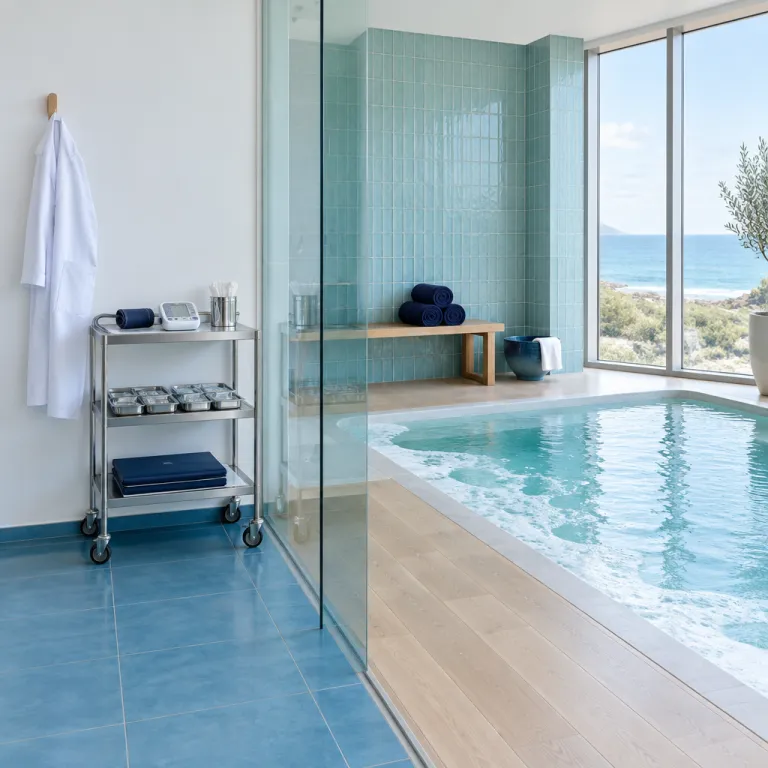
Reading the lab coat: what a true medical wellness hotel programme looks like
A serious medical wellness hotel programme starts with credentialed clinicians, not therapists borrowing clinical language for a spa brochure. You should expect to meet licensed doctors trained in internal medicine or functional medicine, supported by a wellness clinic équipe that can interpret diagnostics and design health wellness plans for guests who may be arriving straight from a long business trip. A credible hotel or resort will list medical specialisations, show where its wellness programmes are regulated, and explain clearly how spa wellness treatments complement rather than replace medicine.
Look at how chenot palace in Weggis on Lake Lucerne structures its programmes, or how sha wellness in Spain and sha Mexico present their medical teams online. These destination wellness leaders publish the names of clinicians, outline the medical programme content, and separate pure spa experiences from health diagnostics so guests can judge performance and safety. When a property hides behind vague wellness hospitality wording and only mentions aestheticians or “practitioners”, you are probably looking at destination spa marketing rather than a genuine medical wellness hotel programme.
In a strong wellness destination such as palace Weggis or a flagship destination spa like chiva som in Thailand, the spa and the wellness clinic work as one system. The spa wellness therapists deliver massages, hydrotherapy and relaxation, while the medical doctors handle testing, medicine prescriptions and long term health strategies that continue after checkout. When hotels blur this line and let spa teams talk about medical outcomes without supervision, the guest experience may feel polished, but the health risk and data confusion can be very real.
Diagnostics, data and what should happen before and after your stay
The defining feature of a real medical wellness hotel programme is diagnostics that go beyond a questionnaire and a single gadget session. At properties such as chenot palace or ananda Himalayas, guests typically begin with baseline testing that may include blood work, body composition, cardiovascular performance checks and stress markers, all reviewed by a doctor before any spa treatment is prescribed. This is where wellness programmes become genuinely medical, because the programme adapts to your health data rather than pushing a generic spa itinerary.
Those diagnostics generate sensitive données, and you should ask directly how the hotel or resort stores and protects them. A trustworthy wellness clinic explains whether your health wellness records sit with an external medical provider, how long they are kept, and whether they are used to market future travel offers or only to refine your long term programme. Before you commit to full board or extended stays, request a written outline of data privacy and how follow up consultations will work once you are back home.
Continuity is the second test, and it separates destination wellness leaders from pretty hotels with ambitious language. A serious medical programme sends guests home with a clear plan, realistic performance metrics and referrals to local clinicians, not just a spa receipt and a vague promise that you will sleep well. For a deeper look at how top practitioners structure this handover, study this guide to wellness that holds after check out, then compare it to what your chosen hotels actually provide.
From cryotherapy to quiet walks: separating tech theatre from real outcomes
Many hotels now advertise red light therapy, cryotherapy, hyperbaric oxygen and biohacking gadgets as proof of a cutting edge medical wellness hotel programme. The hardware can be impressive, but the question for guests is always the same ; who is prescribing these sessions, and how are they integrated into a coherent health wellness plan rather than sold as one off spa thrills. In a true destination wellness setting, technology is prescribed by clinicians, tracked against diagnostics and adjusted over the long term, not simply added to a spa menu beside facials.
Look at how chiva som, sha wellness or chenot palace describe their programs ; the devices sit inside a structured medical programme that also includes nutrition, movement, sleep and stress work. At ananda Himalayas, for example, the spa wellness rituals are balanced with yoga, breathwork and nature immersion, so the experience feels less like a tech showroom and more like a calibrated reset. By contrast, when hotels promote cryotherapy or IV medicine infusions without baseline testing or follow up, you are seeing wellness hospitality theatre rather than a serious wellness clinic.
There is also a quieter countertrend, where destination spa properties emphasise forest walks, thermal springs and simple rooms suites over machines. A stay at a Japanese onsen style resort such as the serene Hakone Hotel Kowakien, reviewed as a serene onsen retreat, shows how spa experiences rooted in water and landscape can support health without clinical branding. For many business travellers extending a long work trip, this kind of destination spa can be a more realistic wellness destination than a full medical programme, as long as you are clear that you are buying restoration, not diagnostics.
Fitting a credible medical programme into a business leisure schedule
If you travel frequently for work, the idea of a full scale medical wellness hotel programme can feel unrealistic. Yet some of the most effective resets for executive guests happen in three or four night windows, when a hotel near your business destination offers a compact programme that includes diagnostics, targeted spa sessions and realistic lifestyle coaching. The key is to choose hotels and resorts that understand business travel rhythms and can schedule medicine consultations around calls and meetings.
Properties such as sha Spain near Alicante, or sha Mexico on the Riviera Maya, have designed short stay wellness programmes including accommodation, full board and tightly structured days that still leave space for laptop time. At chenot palace Weggis on Lake Lucerne, the medical team can compress testing and consultations into the first twenty four hours, then use spa wellness treatments and nutrition to reinforce the plan while you work from your rooms suites overlooking the water. These destination wellness leaders know that performance for business guests is measured not only in blood markers, but also in whether you can re enter your schedule without feeling derailed.
When your work takes you to Europe or Asia, you can even build in a wellness destination detour that feels more like a strategic layover than a retreat. A side trip to a destination spa or resort with a credible wellness clinic can sit alongside a more playful stay where you might, for example, arrange a Vespa to explore the coast from your base hotel, as shown in this piece on transforming an Amalfi Coast stay. The point is to treat medical programmes as part of your long term travel strategy for health, not as rare, all or nothing events.
Red flags, room keys and the fine print of destination wellness
Once you start reading wellness hospitality promises with a clinical eye, certain warning signs appear quickly. Be cautious of any hotel or resort that guarantees specific longevity outcomes, dramatic weight loss or performance gains within a fixed number of days, especially if the programme is sold mainly through spa imagery. A real medical wellness hotel programme will talk about probabilities, risk factors and long term behaviour change, not miracles that arrive between check in and checkout.
Unregulated IV medicine infusions, hormone therapies or aggressive detox programs offered without proper diagnostics or licensed supervision should also trigger questions. Ask who signs off on each medical intervention, how complications are handled, and whether the wellness clinic has transfer agreements with local hospitals in case guests do not respond well. If the answers feel vague, or if staff pivot quickly back to talking about the spa, you are probably in a hotel that has borrowed medical language without building medical infrastructure.
Finally, read the structure of wellness programmes as carefully as you read room descriptions. Serious destination wellness properties are transparent about what is included in full board packages, how many consultations you receive, whether follow up is offered online, and how your data will be used over the long term. When hotels focus heavily on décor, views and generic wellness language but say little about clinicians, diagnostics or aftercare, the lab coats may be real, but the medical substance behind them is often thin.
FAQ
How can I quickly tell if a hotel offers a real medical wellness programme ?
Check whether the hotel lists licensed doctors, a structured medical assessment and a defined wellness clinic, rather than only spa therapists and generic wellness language. A genuine medical wellness hotel programme will explain diagnostics, follow up and data privacy in writing. If you cannot see clinician names and programme details before booking, treat the offer as a spa experience, not medical care.
Are short stays useful for medical wellness, or do I need a long retreat ?
Three to five nights can be effective if the programme includes proper baseline testing, a medical consultation and a clear plan to follow at home. Long term change depends less on the duration of your stay and more on whether the hotel provides realistic guidance and continuity. For complex conditions, longer programmes at specialised destination wellness resorts may be more appropriate.
What questions should I ask about my health data before booking ?
Ask where your health données are stored, who can access them and how long they are kept. Clarify whether the hotel or resort shares data with third parties for marketing or only with medical partners involved in your care. You should also ask how to request deletion or transfer of your records after the programme ends.
Is a destination spa without doctors still worth booking for wellness ?
A destination spa without onsite doctors can still support rest, stress reduction and sleep, especially if it offers strong spa facilities, nature access and calm rooms suites. Just be clear that you are booking relaxation and lifestyle support, not a medical intervention. For diagnostics or complex health issues, choose a property with a defined medical wellness hotel programme and licensed clinicians.
How do full board wellness packages compare to à la carte spa stays ?
Full board wellness programmes usually bundle accommodation, meals, diagnostics and spa treatments into a coherent schedule, which suits guests seeking structure and measurable outcomes. À la carte spa stays offer more flexibility but rarely deliver the same medical depth or continuity. If your priority is health performance rather than occasional pampering, a structured programme is generally the better investment.