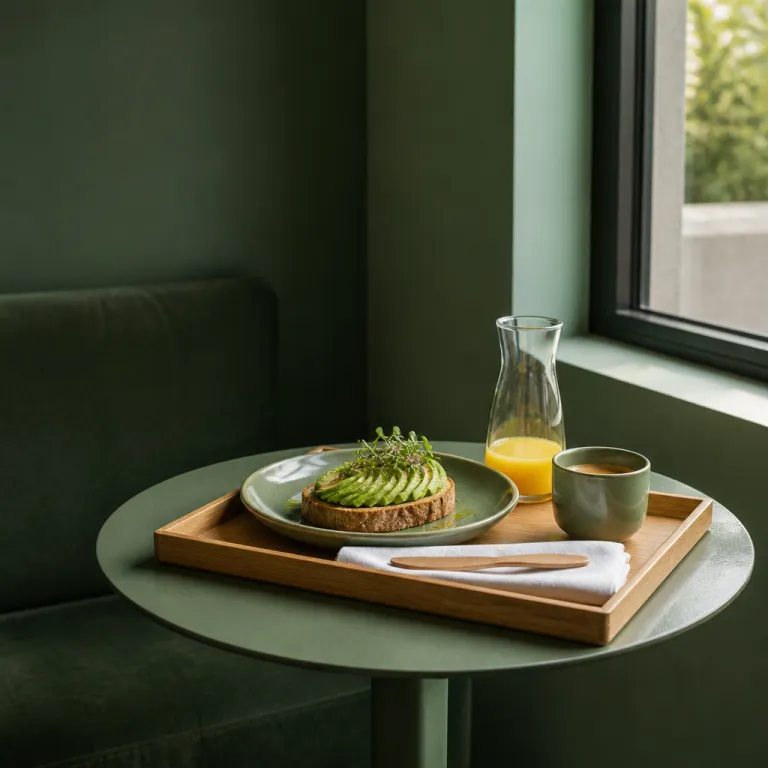
The quiet truth of hotel breakfast quality
Walk into the breakfast room of any serious hotel and you will feel within minutes whether the kitchen respects its guests. The theatre of a tasting menu can hide weak technique, but the relentless pace of breakfast service exposes every habit, every shortcut, every standard behind the food. When you care about hotel breakfast quality, you start to judge hotels less by their lobby fragrance and more by their eggs, their coffee and the way your day will quietly start.
Breakfast is harder to fake than dinner because every guest eats it, often at the same time, and the dining room has no reservation night lighting to flatter the plates. A couple arriving at 08.15 wants the same level of breakfast experience as the jet lagged guest at 06.30 and the late riser at 10.00, so consistency becomes the real luxury. When a hotel can cook order items like scrambled eggs, french toast or an American breakfast for a full room and still serve quality food with calm precision, you are looking at a kitchen that understands volume and care.
Watch how the team handles basics before you judge the more photogenic breakfasts. Is the fresh fruit cut cleanly and replenished often, or are the bowls tired by mid service, telling you that breakfast guests are an afterthought rather than the focus of the stay ? The best star hotels treat breakfast service as the anchor of the guest experience, not a cost centre to be hidden behind chafing dishes and lukewarm coffee.
Signals on the buffet: house made, bought in, or quietly excellent
When you walk the buffet, you are reading a map of the hotel’s priorities, not just its breakfast options. A serious property will show its hand with bread baked on site, fruit yogurt in small batches rather than industrial tubs, and a rotation of hot food that respects both local tastes and international expectations. Lesser hotels hide behind volume, hoping that a long line of chafers will distract breakfast guests from the absence of real quality.
Look closely at the eggs and you will see how the kitchen thinks about labour and love. Scrambled eggs that sit in a tray for an hour tell you one story, while a chef who can cook order omelettes and poached eggs at capacity, without panic, tells you another about hotel breakfast quality and the craft behind it. When a hotel offers both a buffet and a made to order breakfast option, and executes both with precision, you can be confident that the rest of your stay will benefit from the same discipline.
Cold items reveal as much as hot dishes, especially for couples who like to eat lightly before a long day. Fresh fruit should taste of the region and the season, not of a supply contract, and fruit yogurt should be properly chilled, not sweating on the edge of a crowded counter. If you see good coffee brewed in small batches, alongside specialty coffee prepared at a bar that feels more like a cafe than a corridor, you are in a hotel that understands how dining shapes memory.
Regional expression matters here, and the best properties use breakfast to speak the local language of food. A Levantine spread of labneh, olives and flatbreads, an alpine table with dark breads and mountain cheeses, or a coastal Italian layout with citrus fruit and delicate pastries all show how hotels can turn breakfasts into a cultural lens. For a deeper look at how gastronomy becomes a cultural language in hospitality, see how top kitchens are analysed in this guide to reading a destination through its hotel kitchens, then apply the same eye to your next hotel breakfast.
À la carte versus buffet: what the format reveals about the hotel
The choice between buffet and à la carte is not just a logistical decision ; it is a statement about how a hotel values time, space and guest experience. A generous buffet can suit star hotels with high occupancy, while a fully served breakfast experience often signals a quieter, more residential style of stay. The most interesting properties now blend both, offering a curated buffet of fresh fruit, pastries and fruit yogurt, then layering on a focused menu of eggs and hot dishes cooked to order.
Buffets are where you see whether breakfast service is about abundance or about quality food. If the hotel breakfast leans on volume, you will find lukewarm coffee, tired scrambled eggs and pastries that taste identical from city to city, regardless of the supposed local story. When a buffet is edited, with fewer options but better execution, breakfast guests feel that every item has earned its place on the table.
À la carte formats shift the pressure from logistics to precision, and couples often feel the difference in the pace of the morning. Waiting ten minutes for french toast or an American breakfast is a pleasure when the dining room feels calm, the cafe style service is attentive and the good coffee arrives quickly. When the kitchen cannot keep up with cook to order promises, and plates arrive unevenly cooked, you learn more about the real hotel breakfast quality than any marketing line could tell you.
Some service hotels, especially those aligned with large loyalty programmes such as Marriott Bonvoy, now offer tiered breakfast options that blend buffet access with one or two signature dishes. This can be breakfast worth waking up for if the execution matches the promise, but it can also expose gaps when the kitchen stretches beyond its capacity. For couples planning a stay around gastronomy, it is worth reading recent guest reviews that mention breakfast service specifically, rather than relying on generic dining scores.
When you compare properties, ask yourself what the chosen format says about the hotel’s priorities. A smaller hotel that insists on serving every breakfast plate from the kitchen may be signalling a commitment to control and intimacy, while a resort that invests in a large, well staffed buffet may be prioritising flow and choice. For a sense of how top kitchens think about meal periods beyond dinner, the analysis of peak season operations in this guide to booking hotels for the table, not the pool offers useful parallels for understanding breakfast strategy.
How regions speak through breakfast: from coastal mornings to mountain spreads
Breakfast is often the most honest expression of place in any hotel, because it has to serve both locals and international guests without theatrical staging. A coastal Mediterranean property might lean into ripe fruit, olive oil cakes and light eggs, while an alpine retreat will favour dense breads, cured meats and butter that tastes of the valley. When you evaluate hotel breakfast quality, ask whether the food on the table could belong anywhere, or whether it tells you quietly where you have woken up.
In the Levant, breakfast can feel like a full dining experience, with mezze style spreads that invite you to eat slowly and share plates. Couples who enjoy long mornings will appreciate how these hotels turn the first meal of the day into a social ritual, with fresh fruit, herbs and warm breads arriving in waves rather than in a single buffet pass. The guest experience here is less about a quick start day and more about easing into the stay with food that reflects centuries of habit.
Urban star hotels in North America and Europe often balance regional character with the expectations of an American breakfast, offering pancakes, bacon and eggs alongside local cheeses or pastries. The smartest kitchens use this tension to their advantage, pairing quality food with subtle nods to place, such as fruit yogurt made with nearby dairy or specialty coffee roasted in the same city. When you see a breakfast option that highlights a local farm or roastery by name, you are usually looking at a hotel that understands how dining choices shape its identity.
For couples who travel specifically for gastronomy, breakfast becomes part of a longer narrative that runs through every meal of the stay. The same editorial eye you might apply when choosing a destination for its dinner scene, as outlined in this analysis of hotels worth booking for the table, should be used when reading breakfast menus and buffets. If the first meal feels generic, there is a strong chance that the rest of the hotel’s food story will be equally flat.
Service as the real luxury: how staff turn breakfast into memory
Even the best food can feel ordinary when breakfast service is rushed, indifferent or poorly sequenced. The real test of a hotel’s ambition is whether the team can maintain grace under the pressure of a full room, with coffee orders, eggs cooked to different preferences and special requests arriving at once. Couples notice quickly whether staff are simply clearing plates or actively shaping the guest experience.
One of the clearest signals of high level hospitality is recognition from the second morning of your stay. When a server remembers that you prefer specialty coffee rather than the filter pot, or that your partner likes scrambled eggs slightly soft with a side of fresh fruit, you feel that breakfast guests are seen as individuals, not room numbers. This kind of attention is rare in large service hotels, which makes it even more valuable when you find it.
Timing is another quiet indicator of hotel breakfast quality, especially when the kitchen offers cook to order dishes. If your french toast arrives hot while your partner’s American breakfast follows two minutes later, the team understands pacing and the rhythm of a shared meal. When plates for the same table land ten minutes apart, or when good coffee arrives only after you have finished eating, the choreography of the dining room is not yet at the level you should expect from serious hotels.
For couples who use breakfast as the anchor of the day, service can make the difference between a rushed start and a restorative ritual. A well trained team will manage the flow so that you can linger over fruit yogurt and a second espresso without feeling pressured, while still turning the table in time for the next guest. If you are planning a longer wellness focused stay, the way breakfast service is handled can be as revealing as any spa brochure, a point explored in depth in this guide to reading serious retreat hotels.
How to read a breakfast room before you book the stay
Most couples will never see a hotel’s kitchen, but you can still read its standards from afar if you know where to look. Start with recent guest reviews that mention breakfast specifically, paying attention to patterns around coffee, eggs and the overall breakfast experience rather than isolated complaints. When multiple guests praise the same breakfast option, such as a signature french toast or a particular style of scrambled eggs, you are likely seeing the result of consistent execution rather than chance.
Loyalty programmes such as Marriott Bonvoy can be useful filters, because they often standardise whether breakfast is included, discounted or offered as a benefit for certain tiers. What they cannot standardise is the soul of the meal, so you still need to read between the lines to decide whether the hotel breakfast is breakfast worth planning your mornings around. Look for mentions of specialty coffee, fresh fruit that tastes seasonal, and staff who manage breakfast service with warmth rather than bureaucracy.
When you arrive, take five minutes to walk the room before you sit down, especially on the first day of your stay. Notice whether the cafe area feels like a place you would choose to meet a friend, whether the food looks replenished rather than merely arranged, and whether breakfast guests seem relaxed or impatient. If the first impression is strong, you can be confident that the rest of the hotel’s dining story will support the romantic, unhurried mornings that many couples seek.
Over time, you will develop your own internal checklist for judging hotel breakfast quality, and it will serve you better than any star rating. Ask yourself whether the food tastes of care, whether the options feel curated rather than random, and whether the guest experience at 07.00 matches the promises made at check in. When the answer is yes, you have found a hotel where the first meal tells you everything you need to know about the stay.
FAQ
How can I tell if a hotel breakfast will be good before I book ?
Read recent guest reviews that mention breakfast in detail, looking for consistent praise about coffee, eggs cooked to order and the freshness of fruit and pastries. Check photos for signs of quality food, such as small batch items rather than bulk trays, and look at the breakfast menu if the hotel publishes it online. When possible, call the property and ask whether they offer specialty coffee, fresh fruit and made to order dishes, as these are strong indicators of serious breakfast standards.
Is a buffet or an à la carte breakfast better for couples ?
Buffets suit couples who like to sample many small items and control their own pace, especially in larger resorts where variety matters. À la carte formats work well for couples who prefer a quieter, more restaurant like breakfast experience with plates arriving from the kitchen. The best hotels combine a compact buffet of cold items with a focused cooked to order menu, giving you both flexibility and precision.
What are the key signs of high hotel breakfast quality once I am on site ?
Look for eggs cooked to order that arrive hot, good coffee or specialty coffee served promptly, and fruit that tastes ripe rather than refrigerated for days. Notice whether staff remember your preferences by the second morning and whether the breakfast service feels calm even when the room is full. Small details, such as properly chilled fruit yogurt and bread that tastes freshly baked, usually signal a kitchen that cares.
Are loyalty programme breakfasts, such as those with Marriott Bonvoy, always worth it ?
Loyalty benefits can make breakfast financially attractive, especially in star hotels where à la carte prices are high. However, the real question is whether the breakfast experience itself feels like breakfast worth your time, with quality food, attentive service and a setting that enhances your stay. Always balance the value of the included meal against independent reviews of the actual hotel breakfast.
How much time should couples plan for breakfast during a city break ?
Allow at least forty five minutes if you want breakfast to feel like part of the trip rather than a refuelling stop. This gives you time to enjoy a full breakfast option, from fresh fruit and fruit yogurt to eggs and coffee, without rushing. In cities with strong cafe culture, you may even choose to split mornings between the hotel breakfast and a local cafe to experience both sides of the destination’s dining scene.