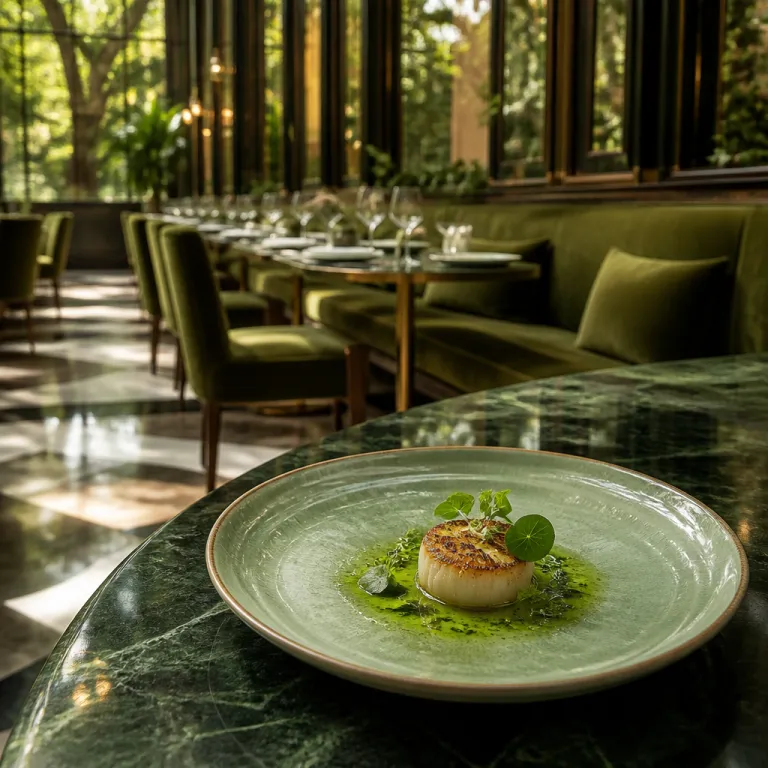
From amenity to anchor: when the kitchen drives the booking
In many luxury hotels, the chef partnership now shapes the entire stay. For a couple choosing a luxury hotel for a romantic escape, chef-led luxury hotel dining often matters more than the spa or the size of the room. When the restaurant becomes the reason to travel, the hotel stops being a backdrop and starts acting as a stage for immersive dining experiences.
This shift is widely documented in recent hospitality research, which shows that integrated chef collaborations can significantly lift overall hotel revenue and that a majority of high-end properties now work with renowned chefs to elevate their hotel restaurants. A 2023 STR and HotStats analysis, for example, found that properties with named-chef concepts generated up to 25% higher F&B revenue per occupied room than comparable hotels without them, while a Cornell Center for Hospitality Research brief reported that roughly six in ten luxury and upper-upscale hotels now feature some form of branded culinary partnership. Those trends confirm what frequent guests already feel at the table, because the most memorable dining experiences now come from hotels where the culinary programme is treated as a strategic asset rather than a pleasant extra. In that context, a chef partnership is no longer a decorative marketing flourish but a clear indication that the hotel restaurant and its menus are central to the property’s identity.
For couples planning a stay, the question becomes simple yet revealing. Are you booking a hotel that happens to have a restaurant, or a luxury hotel where the dining room, tasting menu and room dining options are designed by chefs whose names carry real weight? When the answer is the latter, you are usually looking at chef-led luxury hotel dining where the food, the ingredients and the tasting structure of the menu have been built to justify the journey as much as the suite.
Luxury hotels across the globe now compete on culinary experiences, not just on thread count. Hosts such as Auberge Resorts Collection or Level Hotels use chef residencies, immersive culinary events and exclusive tasting dinners to attract discerning guests who care deeply about food. Auberge’s 2023 F&B performance report, for instance, credits chef collaborations and seasonal residencies with double-digit growth in restaurant covers at several flagship properties. In these hotels, the chef partnership is the strongest clue that the dining room, private dining spaces and even in-room dining are conceived as part of a coherent culinary journey rather than separate revenue streams.
Celebrity name on the door vs embedded culinary partnership
Not every famous chef name on a hotel restaurant canopy signals depth. A celebrity chef placement can mean a consulting agreement, a licensed menu and a few launch events, while the day-to-day dining experiences are run by a separate team with limited autonomy. For couples booking for chef-led luxury hotel dining, the difference between a surface collaboration and an embedded partnership will define whether the experience feels award winning or merely branded.
In a true embedded partnership, the chef shapes the entire culinary ecosystem of the hotel restaurants, from the lobby bar snacks to the tasting menu in the flagship restaurant. Alexandros Tsiotinis overseeing three restaurants at Conrad Corfu is a good example, because his culinary vision informs every menu, every table setting and the sourcing of ingredients across the property. In an interview with the hotel’s F&B team, he described the brief as “designing one continuous story that guests can read from breakfast to the last cocktail of the night.” That level of involvement usually leads to more coherent dining experiences, where guests can move from casual food to fine dining without feeling like they have changed hotels.
By contrast, a simple celebrity chef placement might deliver a photogenic restaurant but a thinner story. You may see the chef’s name on the menu, yet the hotel restaurant could be serving a diluted version of their cuisine, with limited control over ingredients or staffing. When you are booking primarily for the table, you want to know whether the chef is present in the kitchen regularly, whether the menus change with the seasons and whether the hotel allows the culinary team to run the restaurant with real independence.
Some of the most interesting models now sit between these extremes. Properties such as The Lake Como Edition, guided by Mauro Colagreco and his three Michelin stars, show how a hotel can host a globally recognised chef while still giving space to local culinary voices. The launch coverage for the property highlights Colagreco’s role in setting the culinary direction while Italian chefs interpret his philosophy on the ground. For travelers who care about chef-led luxury hotel dining, these embedded partnerships usually produce richer dining experiences than a one-off celebrity opening, and they are often the reason guests return to the same hotels rather than chasing the next new restaurant.
For a deeper look at how hotel kitchens express a destination, read this analysis of gastronomy as a cultural language in hotel kitchens, which explores how menus and ingredients can tell the story of a place. When a hotel restaurant works this way, the chef partnership becomes a lens through which you read the region, not just a name on the bill. That is the level of integration that separates a marketing collaboration from a genuine culinary alliance.
Chef-in-residence formats and what rotating voices offer couples
Chef-in-residence programmes are changing how couples think about hotel dining. Instead of one permanent chef defining the restaurant, a rotating roster of chefs brings new menus, new ingredients and new tasting structures across the year. For guests who travel often, this model can turn a familiar luxury hotel into a series of evolving dining experiences.
Four Seasons Yachts has leaned into this idea with a rotating chef-in-residence programme, signalling that its hotel restaurants at sea will be driven by culinary voices rather than generic banquet cooking. For a couple booking a suite on such a yacht, the promise is clear; each voyage can feel like a new tasting menu, with chefs using the same dining room and table layout to tell different food stories. As the project’s culinary director put it in early press briefings, “the ship is our dining room, and every itinerary is a new chapter.” This approach suits travelers who value chef-led luxury hotel dining but also enjoy the surprise of changing menus and interpretations of fine dining.
On land, chef residencies and restaurant pop ups inside hotels work in a similar way. A luxury hotel might host a James Beard Award winning chef for a season, then invite another chef with Michelin stars to reinterpret the same ingredients and menu format. Guests who return to the same hotels can then compare dining experiences across residencies, using the restaurant as a benchmark for how seriously the property treats its culinary partnerships.
Rotating chefs also encourage hotels to refine their sourcing. When different chefs share the same hotel restaurant, they often push for better ingredients, more transparent suppliers and menus that highlight a few exceptional products rather than long lists of dishes. For couples, this means that the dining room and even room dining options benefit from a higher baseline of quality, regardless of which chef is currently in residence.
These programmes also reshape the quieter moments of a stay. Aperitivo hours, late room dining and private dining experiences can all be curated by the visiting chef, turning transitional times into some of the most honest expressions of the hotel’s culinary identity; a perspective explored in depth in this piece on how aperitivo became a hotel’s most revealing hour. When a chef-in-residence treats those hours as part of the tasting journey, couples feel the partnership in every glass and every small plate, not just in the headline restaurant.
Ingredient-focused simplicity and the new meaning of a hotel kitchen
A quiet revolution is happening behind the pass in many hotel kitchens. Instead of sprawling menus, chefs are moving toward ingredient-focused simplicity, building tasting menus and à la carte options around three or four exceptional ingredients per dish. For couples seeking chef-led luxury hotel dining, this restraint is often the most reliable sign that the hotel trusts its culinary team.
When a hotel restaurant allows its chefs to work this way, the entire operation changes. Purchasing shifts from volume to precision, with the kitchen investing in better seafood, more characterful vegetables and traceable meats rather than long lists of average ingredients. Guests feel this in the clarity of the food on the table, where each plate in the tasting menu tells a focused story rather than a crowded one.
This ingredient-led approach also affects how menus are structured across the hotel. The same tomatoes that anchor a fine dining course might appear in a simpler form on the room dining menu, or in a casual restaurant where the chef uses them for a single, perfect dish. When luxury hotels align their hotel restaurants around this philosophy, couples can move between spaces and still feel the same culinary handwriting in every dining experience.
For travelers, the key is to read the clues before booking. Short, seasonal menus, clear descriptions of ingredients and visible references to local producers usually indicate that the chef has real autonomy and that the hotel restaurant is not run on autopilot. When a luxury hotel publishes information about its suppliers and allows the culinary team to adjust menus frequently, it is telling you that the kitchen is central to the property’s identity, not an afterthought.
This is where chef partnerships intersect with sustainability and authenticity. A chef who commits to ingredient-focused simplicity needs a hotel willing to support slower sourcing, smaller menus and sometimes higher food costs, and that alignment is a powerful indicator of shared values. For couples who care about both taste and ethics, a concise menu built around impeccable ingredients is often a more trustworthy guide than any number of design awards or marketing claims.
When the restaurant outranks the room: reading signals before you book
There are now properties where the restaurant clearly outranks the room as the main reason to stay. Couples fly in for a specific tasting menu, a particular chef or a dining room that has become a destination in its own right. In these cases, chef-led luxury hotel dining is not just part of the experience; it is the experience.
Philadelphia offers a sharp example of how this plays out in practice. At the Four Seasons Hotel Philadelphia, Greg Vernick’s Vernick Fish has become a reference point for seafood focused hotel dining, while Jean Georges Philadelphia by Jean Georges and Georges Vongerichten anchors the sky-high fine dining offer. Guests book the hotel restaurant tables weeks in advance, treating the dining room as the city’s benchmark for tasting menus and using the rooms upstairs as a comfortable extension of the evening.
In this context, awards and credentials matter, but only up to a point. A James Beard Award or Michelin star can signal that a chef or restaurant has reached a certain level, yet the more telling signs are tenure, menu evolution and how often locals return. When a hotel restaurant like Vernick Fish or Jean Georges Philadelphia keeps drawing residents of the city back to the table, it suggests that the partnership between chefs and hotel is working at a deeper level than a one time opening.
For couples evaluating options, a few practical checks help decode these patterns. Look at how long the chef has been in place, how frequently the menus change and whether the hotel highlights the culinary team as prominently as the spa or the rooms. Read how the property talks about its hotel restaurants; if the language focuses on dining experiences, ingredients and chef autonomy rather than generic luxury, you are likely looking at a hotel where the kitchen truly leads.
To go further, compare how different luxury hotels position their tables against their pools, spas and views, using guides that focus explicitly on booking for the table rather than the pool. When a property consistently appears in conversations about chef-led luxury hotel dining, and when its hotel restaurant is treated as a city restaurant that happens to sit inside a hotel, you have found one of the most reliable markers in modern hospitality. That is the kind of place where the second visit proves the first was no fluke, and where the partnership between chef and hotel quietly guarantees the quality of your stay.
FAQ
Why do luxury hotels partner with renowned chefs?
Luxury hotels partner with renowned chefs to enhance dining experiences and attract discerning guests. These collaborations help hotels differentiate themselves in competitive markets, especially for couples who prioritise food over facilities. They also support higher room rates by turning the restaurant and tasting menus into primary booking drivers.
What benefits do chefs gain from hotel partnerships?
Chefs gain access to new audiences and expanded brand presence when they work with hotels. A strong hotel restaurant can introduce their cuisine to international guests who might not visit a standalone restaurant. The hotel infrastructure also allows chefs to experiment with room dining, private dining and events that would be harder to stage independently.
Are chef partnerships common in luxury hotels?
Chef partnerships have become very common in luxury hotels worldwide. Many properties now view chef-led luxury hotel dining as essential to their positioning, not just as an amenity. This is why you increasingly see Michelin stars, James Beard Award winners and other award winning chefs attached to hotel restaurants.
How can I tell if a chef partnership is more than just marketing?
Look for signs of an embedded culinary partnership rather than a simple celebrity placement. Check the chef’s tenure, how often menus change, how clearly ingredients and suppliers are described and whether locals treat the hotel restaurant as a destination. When those elements align, the partnership usually reflects real culinary commitment rather than a temporary branding exercise.
Should I book my hotel restaurant table before reserving the room?
In properties where the restaurant outranks the room, it can be wise to secure the table first. High demand for tasting menus or fine dining experiences often means limited availability, especially on weekends. Once you have the restaurant reservation, you can then choose the room category and dates that best frame your dining experience.
Sources
STR & HotStats, “Hotel F&B Performance Trends” (2023); Cornell Center for Hospitality Research, “Branded Restaurant Partnerships in Luxury Hotels” (2022); Auberge Resorts Collection, “Culinary & Beverage Highlights” (2023); Conrad Corfu press materials (2022); The Lake Como Edition launch press kit (2023); Four Seasons Hotel Philadelphia restaurant press releases (2019–2023).