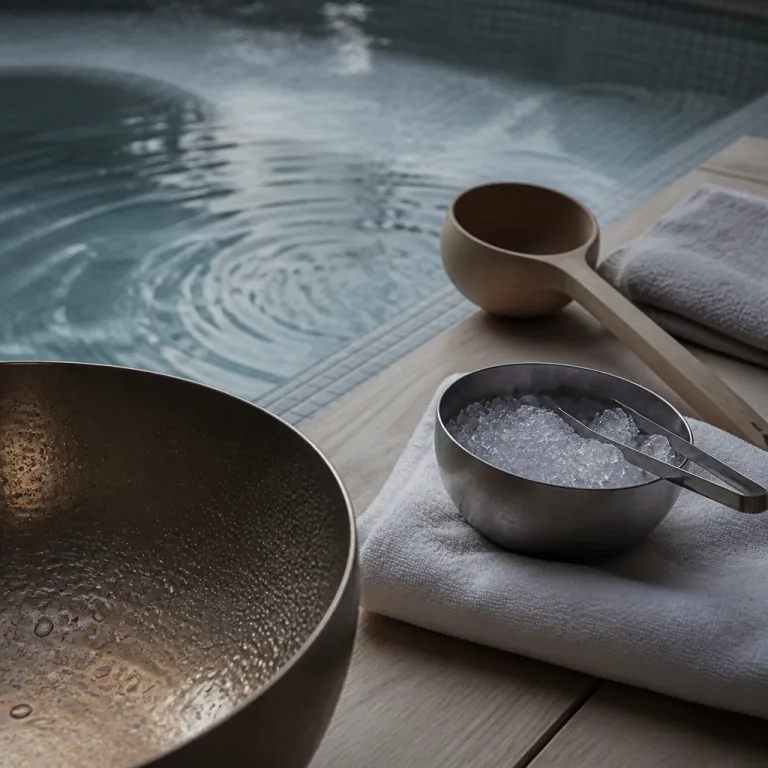
How luxury wellness hotel treatments now work for your nervous system
Luxury wellness hotel treatments in 2026 are no longer about a pleasant spa day. They are built around nervous system regulation, using targeted spa treatments, sound technology and water therapies to shift you from chronic stress into sustainable recovery. For couples planning a wellness trip, the best hotels now design every touchpoint – from arrival to sleep – as part of one coherent spa experience that feels both indulgent and clinically thoughtful.
When you look at wellness hotels today, the serious players talk less about pampering and more about measurable outcomes such as sleep quality, longevity markers and emotional balance. The strongest luxury spa and wellness resort concepts use contrast therapy, sound domes and Watsu pools as core tools rather than add ons, integrating them into multi day retreat programmes that respect your time and your real life constraints. This is where luxury wellness hotel treatments in 2026 stand apart from older models, because they treat your nervous system as the organising principle rather than an afterthought.
For travelers choosing between luxury hotels, the first check is whether the hotel spa team can explain how each treatment supports your nervous system, not just your muscles. Ask how they sequence spa time across your stay, how they adapt treatments across seasons and how they protect deep sleep after intense sessions. A strong choice for a wellness resort or resort spa will show you a clear pathway from arrival stress to end of trip recovery, with enough flexibility that your wellness feel remains personal rather than scripted.
Sound domes, floating sound baths and what they really deliver
Sound domes have moved from niche wellness spa installations into the mainstream of high end wellness travel in 2026. These immersive capsules or rooms use calibrated frequencies, light and guided breathwork to bathe your senses, often forming the quiet centre of a hotel spa or spa resort. For couples on a wellness trip, they can be the most efficient way to reset after a long flight before you even unpack.
One company, Somadome, has led this shift by creating the first immersive wellness dome, and its technology now appears in selected wellness resort properties and urban luxury hotels. In their own words, “What are the benefits of sound domes? Provide immersive experiences using light and sound to promote relaxation and mental clarity.” Somadome’s own press materials (company data, 2024, approximate and subject to change) describe roughly 100 installations worldwide, which helps explain why you now see sound domes on more spa menus. When you evaluate a spa experience that includes a sound dome, ask how long each session lasts, how many sessions are recommended across your stay and whether the programme is adjusted to your sleep patterns and stress levels.
In the context of contemporary luxury wellness hotel treatments, the best wellness programmes use sound therapy as a bridge between active treatments and rest, not as a stand alone novelty. Look for hotels that schedule sound dome sessions after contrast therapy or Watsu, when your nervous system is already softened and more receptive. A practical pattern for a short stay might be a 20 to 30 minute sound session after late afternoon hydrotherapy, followed by a light dinner and an early night. For deeper research on how top practitioners design wellness travel that still works once you are home, read this analysis of wellness that holds after check out, then ask your chosen hotel how their sound based treatments translate into daily life.
Watsu pools and aquatic bodywork: when water becomes the treatment room
Watsu, created by Harold Dull in California, has become a quiet star of high end aquatic wellness in 2026. It is a form of aquatic bodywork performed in warm water, where a therapist supports and gently moves you through the pool in a sequence that blends shiatsu, stretching and almost dance like movements. For couples used to classic massages in hotel spa cabins, a Watsu pool session can feel unexpectedly intimate, because you surrender both weight and control.
The method is simple to describe yet complex to deliver well, which is why research and booking discipline matter. As the expert definition states, “What is Watsu therapy? A form of aquatic bodywork combining elements of shiatsu, massage, and dance movements performed in warm water.” Watsu.com, the modality’s reference site, notes that there are in the region of 1 000 qualified Watsu practitioners worldwide (an indicative figure rather than a complete global registry), and with an average cost of about 140 USD per session reported by facilities such as the Celestial Seahorse WATSU Pool, you want to check practitioner certifications, ask how many years they have worked in water and whether the wellness spa limits group sizes in the pool. If you are pregnant, have uncontrolled cardiovascular conditions, severe vertigo or open wounds, you should seek medical advice and disclose this to the therapist before entering the water.
In luxury hotels that take aquatic therapy seriously, Watsu is not a one off indulgence but part of a structured retreat that might also include a Watsu pool meditation, underwater sound or even night time sessions to support sleep. When you check availability for a wellness trip built around water, ask if the resort spa offers both individual and couples Watsu, and whether they adapt sessions to different seasons and water temperatures. For an example of how a lakeside property can turn water into a central character in the stay, see this profile of refined comfort at a Japanese lakeside hotel, then apply the same questions to any Watsu equipped hotel you are considering.
Contrast therapy and recovery lounges: hot cold done with clinical rigour
Contrast therapy, the deliberate alternation between heat and cold, has become a cornerstone of many luxury wellness hotel programmes in 2026. The principle is straightforward – you move between saunas, steam rooms or hot pools and cold plunges or ice rooms – but the impact on circulation, inflammation and perceived recovery can be significant when protocols are precise. For couples who train regularly or arrive jet lagged, a well designed contrast circuit can compress several days of recovery into a single afternoon of spa time.
Centres such as Cellevate have helped standardise best practice by offering structured contrast therapy sessions that many wellness resort and resort spa operators now study. Their approach reflects the expert explanation that “How does contrast therapy work? Alternates between hot and cold treatments to stimulate circulation and reduce muscle soreness.” Cellevate’s published protocols typically specify exact minutes in heat and cold, rest intervals and hydration guidelines, which is the level of detail you should expect from serious hotel spas. A simple example might be three rounds of 8 to 10 minutes in a sauna followed by 1 to 2 minutes in a cold plunge, with seated rest and water between cycles. When you evaluate a hotel spa, ask whether they provide clear timing guidance, staff supervision and post session recovery spaces rather than leaving travelers to improvise their own sequences, and always check with a doctor first if you have heart disease, uncontrolled high blood pressure or are pregnant.
The most advanced luxury spa concepts now pair contrast therapy with biohacking style recovery lounges, red light panels and compression boots, especially in properties positioning themselves as best wellness destinations for performance oriented guests. At Six Senses Amaala, for example, a Longevity Centre and Biohacking Recovery Lounge sit alongside a Watsu pool and a sound dome, creating a full spectrum spa experience that targets both muscles and nervous system. When you check availability for such hotels, look for packages that integrate contrast therapy into multi day retreat itineraries, rather than selling it as a casual add on that you might only use once during your trip.
Longevity centres versus classic spas: how to read the medical language
Longevity centres have become the sharp edge of luxury wellness hotel treatments in 2026, promising data driven programmes that go far beyond a traditional spa menu. These facilities often combine diagnostics, nutrition, movement coaching and targeted treatments under one roof, sometimes in partnership with external clinics or research institutions. For couples, the appeal is obvious – you can turn a romantic retreat into a reset for long term health – but the reality varies widely between hotels.
Some luxury hotels now market longevity packages that include blood work, biological age testing and nervous system assessments before you even step into the hotel spa. Others use the language of longevity without offering more than a slightly upgraded wellness spa with a few extra spa treatments on the list. To separate substance from theatre, ask who interprets your data, how often they see you during the stay and what you take home in terms of a written plan, not just a full review of your results on the final day. If you live with chronic illness, are pregnant or take multiple medications, confirm that there is an appropriately qualified medical professional overseeing any testing and that no treatment will replace your existing care without your doctor’s input.
Properties such as Six Senses Amaala position their Longevity Centre as the brain of the wellness resort, with the spa resort and resort spa facilities acting as the hands that deliver treatments. When you check availability for these programmes, request sample itineraries that show how your time is divided between assessments, active sessions and rest, and how seasons influence the design of each retreat. A strong choice will always respect your need for unstructured time as a couple, ensuring that advanced wellness protocols in 2026 enhance your trip rather than turning it into a medical conference.
How to choose the right wellness format for your next hotel stay
Choosing between a hotel spa with a few wellness add ons and a full scale wellness resort can feel overwhelming when you start planning a trip. The key is to align the intensity of modern luxury wellness programmes with your real life bandwidth, your relationship needs and your health priorities. Before any booking, decide whether this stay is primarily a romantic retreat with some spa time, or a structured wellness travel programme where treatments and recovery shape each day.
For couples who want a light touch, a luxury hotel with a strong wellness spa, a thoughtful spa experience and perhaps a sound dome or contrast circuit can be enough. In that case, check availability for simple packages that include daily spa treatments, late check out for extra sleep and flexible dining that respects your senses without imposing strict rules. If you want deeper change, look for wellness resort or resort spa properties that offer multi day retreat formats, Watsu pools, sound domes and longevity consultations, then ask for a full review of a typical schedule before you confirm your booking.
Whichever format you choose, apply the same evaluation framework to all hotels, from carlton reserve style coastal properties to urban ritz carlton addresses that now invest heavily in wellness. Ask how they protect your nervous system from overstimulation, how they adapt programmes across seasons and how they support recovery once you return home. For a sense of how serious hotels think about place, ritual and daily life, this piece on hotel kitchens reading their region offers a useful parallel – then apply the same scrutiny to how any hotel designs its wellness journey.
Statistics that frame today’s wellness formats
- Watsu has grown from a niche aquatic practice in the 1980s to an estimated 1 000 qualified practitioners worldwide, according to Watsu.com (figures indicative rather than exhaustive), which explains why more luxury hotels now invest in dedicated Watsu pools.
- The average cost of a Watsu session is around 140 USD, based on data from the Celestial Seahorse WATSU Pool and similar facilities (sample pricing rather than a global benchmark), so couples planning a multi session retreat should factor several hundred dollars into their wellness budget.
- Somadome reports roughly 100 sound dome installations globally in its press materials (company estimate, 2024), a small but influential footprint that signals how immersive sound therapy is moving into the upper tier of luxury wellness hotel treatments in 2026.
- Industry observers note that contrast therapy, popularised in the 2010s, has shifted from athlete recovery centres into mainstream spa resort circuits, with facilities such as Cellevate shaping protocols that many hotels now emulate.
- Across wellness tourism, the integration of technology – from sound domes to biohacking recovery lounges – reflects a broader move toward measurable outcomes in nervous system regulation, sleep quality and perceived recovery, echoing findings from peer reviewed research on stress physiology and sleep hygiene.
FAQ about sound domes, Watsu and contrast therapy in hotels
How do I know if a hotel’s wellness offer is serious or just marketing ?
Look for clear explanations of how each treatment supports your nervous system, sleep and recovery, not just vague promises of relaxation. Serious wellness hotels list practitioner qualifications, session durations and recommended sequencing, and they can provide sample retreat schedules before booking. If a property cannot answer detailed questions about protocols, seasons or follow up support, it is unlikely to deliver the best wellness outcomes.
What is Watsu therapy and is it suitable for couples ?
“What is Watsu therapy? A form of aquatic bodywork combining elements of shiatsu, massage, and dance movements performed in warm water.” Many wellness resort properties offer both individual and couples Watsu sessions, though couples usually receive treatment one after the other rather than simultaneously in the same pool. Always check availability in advance, share any medical conditions and ask whether the hotel spa can adapt the session intensity to your comfort level, especially if you are pregnant, have balance issues or live with cardiovascular disease.
How does contrast therapy fit into a short wellness trip ?
Contrast therapy works best when integrated into a broader spa experience that includes rest, hydration and light movement, even on a two or three day stay. Plan your hot cold sessions earlier in the day so your body temperature can stabilise before sleep, and avoid stacking intense exercise immediately afterwards. Ask the resort spa team for precise timing guidance, especially if you are new to cold plunges or have cardiovascular concerns, and seek medical clearance first if you have heart problems, uncontrolled blood pressure or are pregnant.
Are sound domes and floating sound baths worth prioritising over classic massages ?
Sound domes and floating sound baths target your nervous system and mental clarity more directly than many traditional massages, which focus primarily on muscles. For travelers arriving from long haul flights or high stress work periods, one or two sound based sessions can create a faster shift into a restorative state, especially when paired with gentle bodywork. The ideal approach in luxury wellness hotel treatments in 2026 is not either or, but a sequence that combines both formats in a way that suits your time and budget.
What questions should I ask before booking a longevity focused programme ?
Before committing to a longevity centre package, ask who interprets your tests, how often you will see them during the stay and what written plan you will receive to take home. Clarify how much of your day will be spent in assessments versus spa treatments or unstructured time with your partner, and how the programme adapts to different seasons or energy levels. A credible hotel will welcome these questions and provide a transparent, detailed outline rather than a generic brochure, and will also encourage you to share the plan with your own doctor rather than replacing existing medical care.